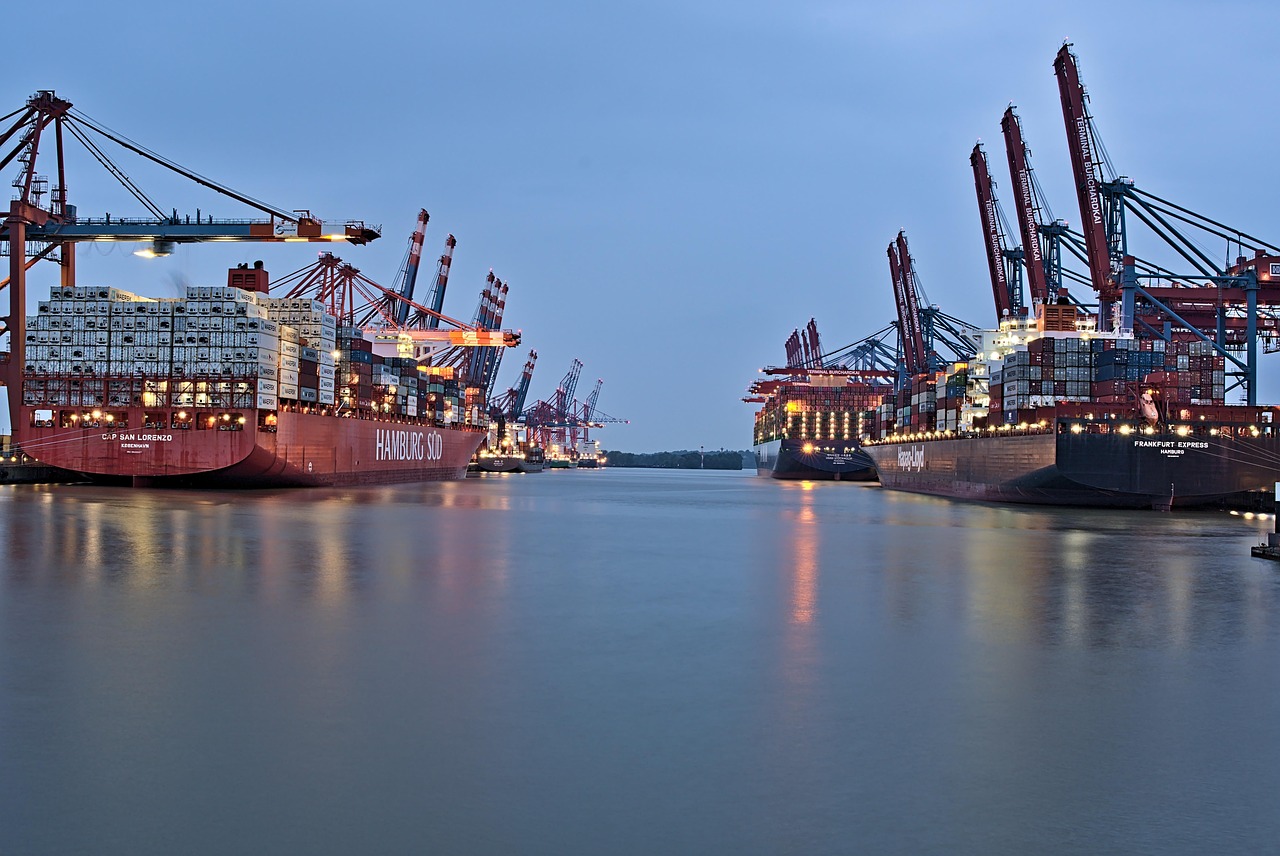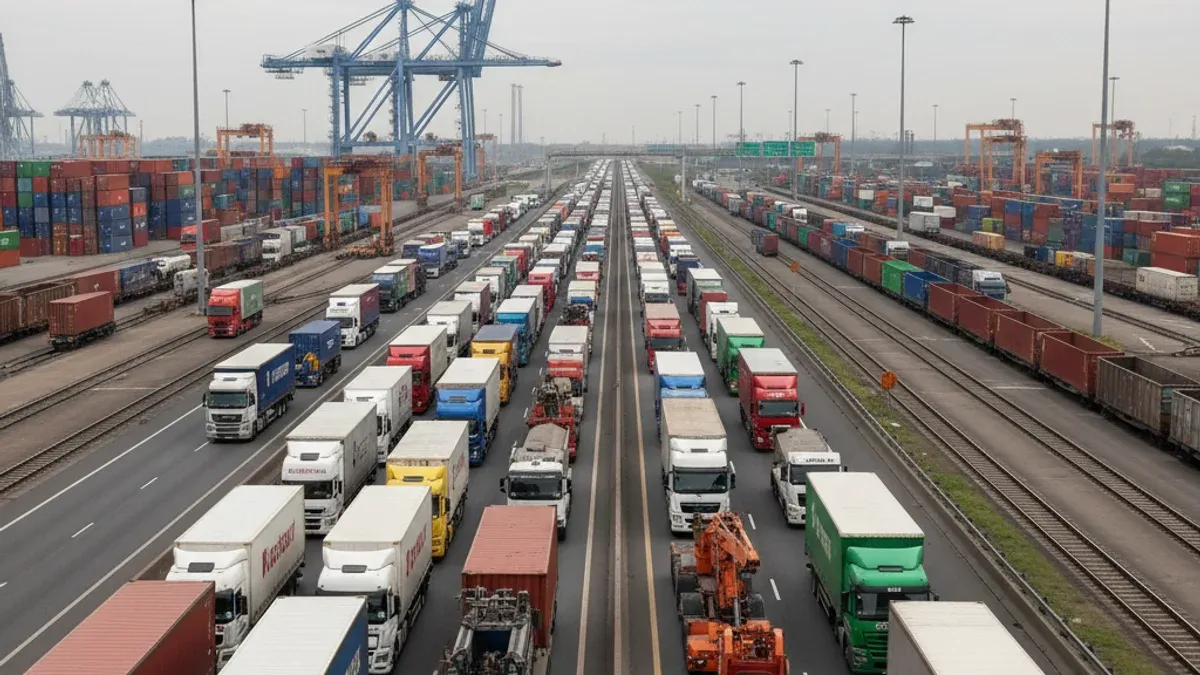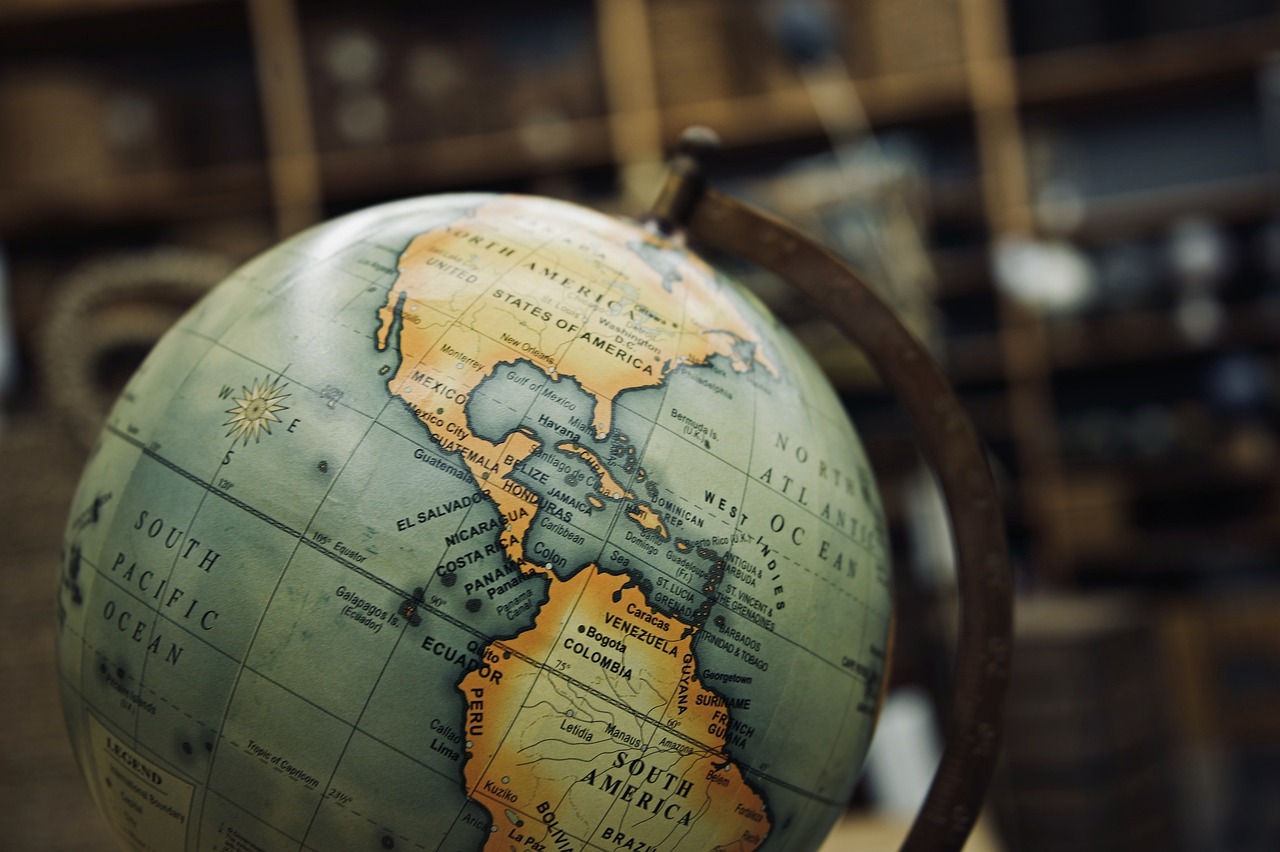



Guatemala continues to face challenges in its trade balance as its imports far exceed its exports. In 2024, the country reached a trade deficit of approximately US$17.9 billion, reflecting its high dependence on imported goods. While exports showed modest growth, imports increased significantly, raising concerns about the sustainability of Guatemalan foreign trade in the medium and long term.
Trends in Exports and Imports
According to recent data, the country’s total exports reached US$14,588.3 million, representing a 2.8% increase compared to 2023. Among the top export products are clothing, edible fats and oils, fresh fruits, plastics, and paper and cardboard products, which together accounted for 25% of total exports (1).
In contrast, imports totalled US$32,489.2 million, with 75% of goods coming from just five major markets: the United States, Mexico, Central America, China, and the European Union (2). This high degree of concentration among trading partners highlights the country’s vulnerability to changes in trade policies or economic fluctuations in these regions.
Products with the Highest Growth in Exports and Imports
• Apparel: A key sector with a significant recovery in the U.S. market.
• Fresh, dried, or frozen fruits: Expansion into new international markets.
• Plastics and paper and cardboard products: Growing demand in the
region.
Major Export Products and Their Growth
The products that led Guatemalan exports in 2024 were:
• Apparel: Accounted for 11.5% of total exports, totalling US$1,677.5 million.
• Bananas: Represented 7.5% of exports, with a value of US$1,090.5 million.
• Coffee: Contributed 6.5% of the total, reaching US$944.2 million.
• Cardamom: Totalled US$867.3 million, equivalent to 5.9% of exports.
• Sugar: Contributed US$665.8 million, representing 4.6% of total exports.
These five products together accounted for 36% of the country’s total exports.
Imports
• Fuels and lubricants: Represent one of the country’s main imports.
• Vehicles and machinery: Increased demand for industrial and technological equipment.
• Electronic and telecommunications products: High growth due to the boom in digital commerce and the expansion of technological networks (3).
Major Import Products and Their Growth
Regarding imports, Guatemala recorded a total of US$32,489.2 million in 2024, with the following products standing out:
• Fuels and lubricants: Represented 22.1% of total imports, totalling US$7,180.1 million.
• Capital goods: These constituted 18.3% of imports, with a value of US$5,946.5 million.
• Chemical products: These accounted for 13.7% of the total, reaching US$4,451.9 million.
• Construction materials: Totalled US$2,924.3 million, equivalent to 9% of imports.
• Food and beverages: Contributed US$2,599.4 million, representing 8% of total imports.
These five products together accounted for 71.1% of the country’s total imports.
SWOT Analysis for 2025
Given this outlook, it is essential to assess the strengths, opportunities, weaknesses, and threats that could influence the country’s trade balance in 2025.
Strengths
• Diversification of exportable goods in agricultural products, manufactured goods, and textiles.
• Consolidated trade relations with strategic partners such as the United States and Central America.
Opportunities
• Opening of new markets, such as the case of Guatemalan avocados in the U.S.(4).
• Expansion of digital commerce, which allows greater access to international products and markets.
Weaknesses
• Persistent trade deficit due to high dependence on imports.
• Concentration of imports in a few countries, creating vulnerability to changes in tariff policies.
Threats
• International macroeconomic risks such as global inflation and crises in financial markets.
• International competition from countries offering similar products at lower costs.
Strategic Recommendations
I. Market Diversification: Guatemala must strengthen trade agreements with emerging countries to reduce its dependence on traditional partners.
II. Promotion of value-added exports: Boost the production of manufactured goods that generate higher revenues and competitiveness.
III. Cost optimization and operational efficiency: Guatemalan companies should seek expert advice on cost reduction and process optimization to improve their profitability in an uncertain economic environment.
Conclusion
Moderate export growth and a sharp increase in imports pose a challenge for Guatemala in terms of trade sustainability. Faced with a potential decline in revenue and a growing trade deficit, it is crucial that companies continuously review their costs and expenses to maintain profitability and
improve their competitiveness.
Guatemala’s trade performance in 2024 shows positive signs, but it also highlights the importance of implementing strategies that strengthen market and product diversification, as well as improving the competitiveness of key sectors to ensure sustainable growth in the future.
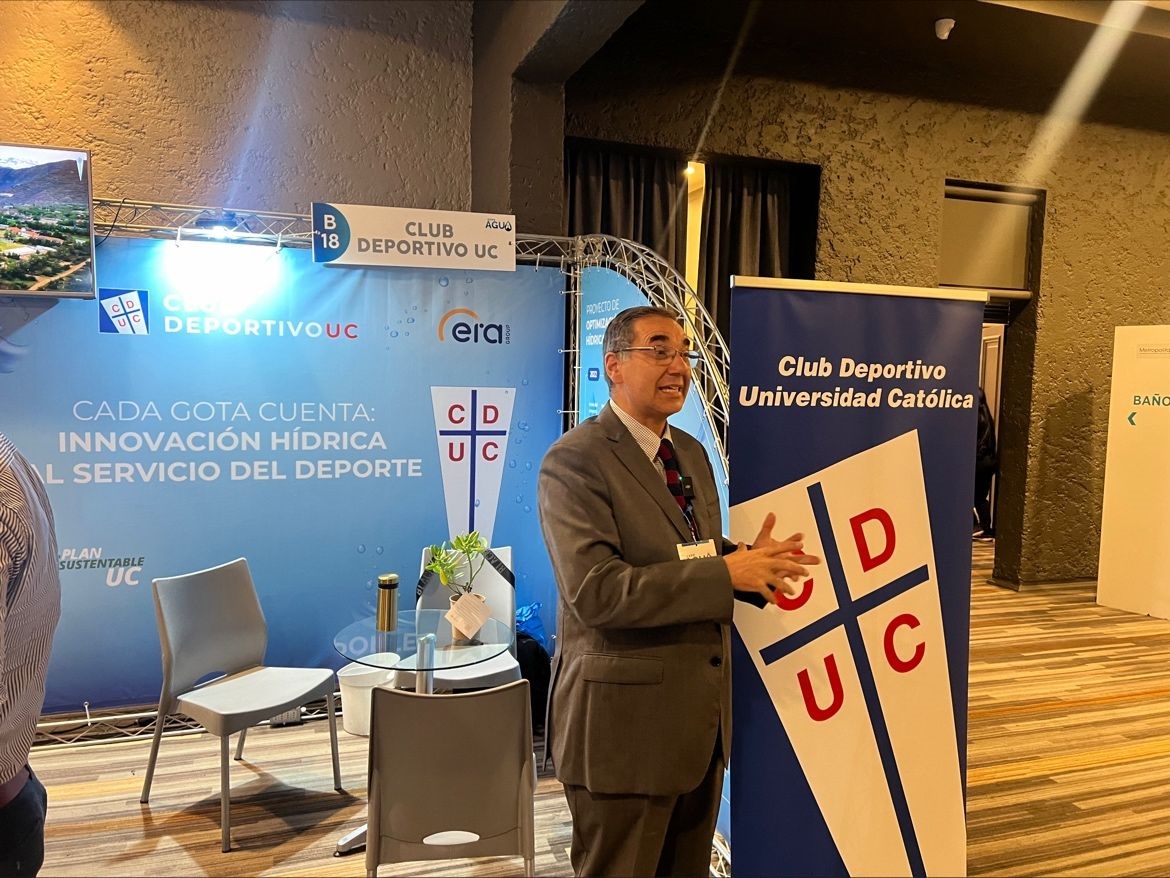
In this regard, firms specializing in cost optimization and operational efficiency, such as ERA Group, can play a key role by helping companies identify savings opportunities, improve their financial structure, and ensure sustainable growth in the coming years.
Sources:
(1) Prensa Libre, “Guatemala’s Exports Exceed US$14.5 Billion in
2024,” 2024.
(2) Prensa Libre, “Guatemala imported more than US$32 billion in 2024,” 2024.
(3) Prensa Libre, “Electronics, computers, and phones were the most
imported goods in 2024,” 2024.
(4) AP News, “United States authorizes import of Guatemalan avocados,”
2024.