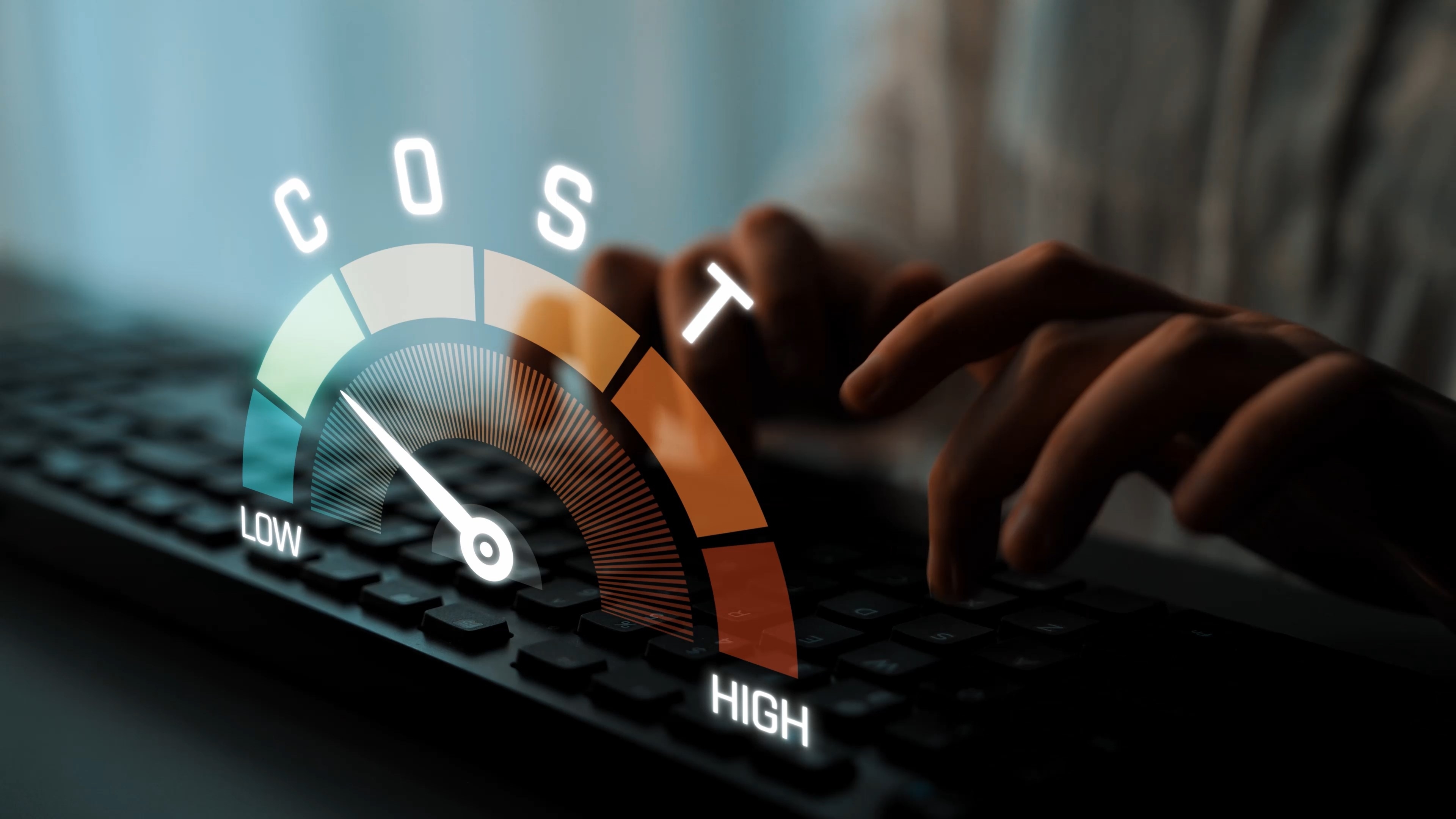



Uncertainty is not context. It's cost.
For a long time, many companies have managed their costs as if the environment were relatively predictable.

Prices were revised. Contracts were negotiated. Budgets were adjusted. All under a known logic. But the context has changed. Today, the problem is not only that some costs are rising. It is increasingly difficult to know when, how much and for how long.
And there appears a cost that many companies do not have budgeted: uncertainty.
It doesn't always appear on an invoice. It is not seen in a specific line. It is not identified as a deviation. But it exists. Appears when a provider applies a "preventive" increase. When a company accepts worse conditions for fear of running out of supply. When stocks are expanded out of prudence. When contracts are signed with less room for negotiation. When decisions are postponed because the scenario is not clear.
It is not only an economic cost. It is a decision cost.
Because when the environment becomes uncertain, many companies stop optimizing. They begin to protect themselves. And protecting yourself is also difficult.
It costs in liquidity. It costs flexibility. It costs in margin.
It costs in terms of negotiation capacity. The problem is that this cost often goes unnoticed. It is not presented as a direct increase.
It is distributed.
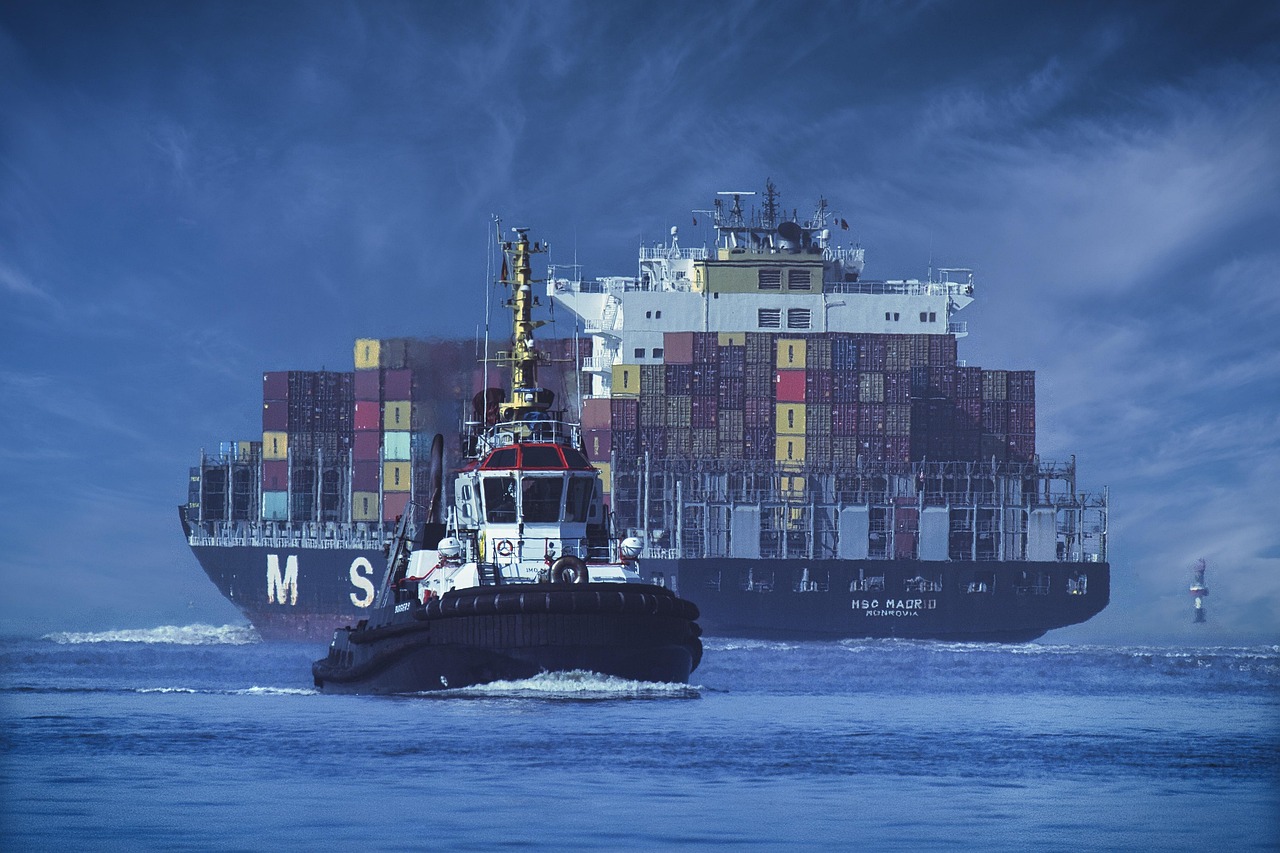
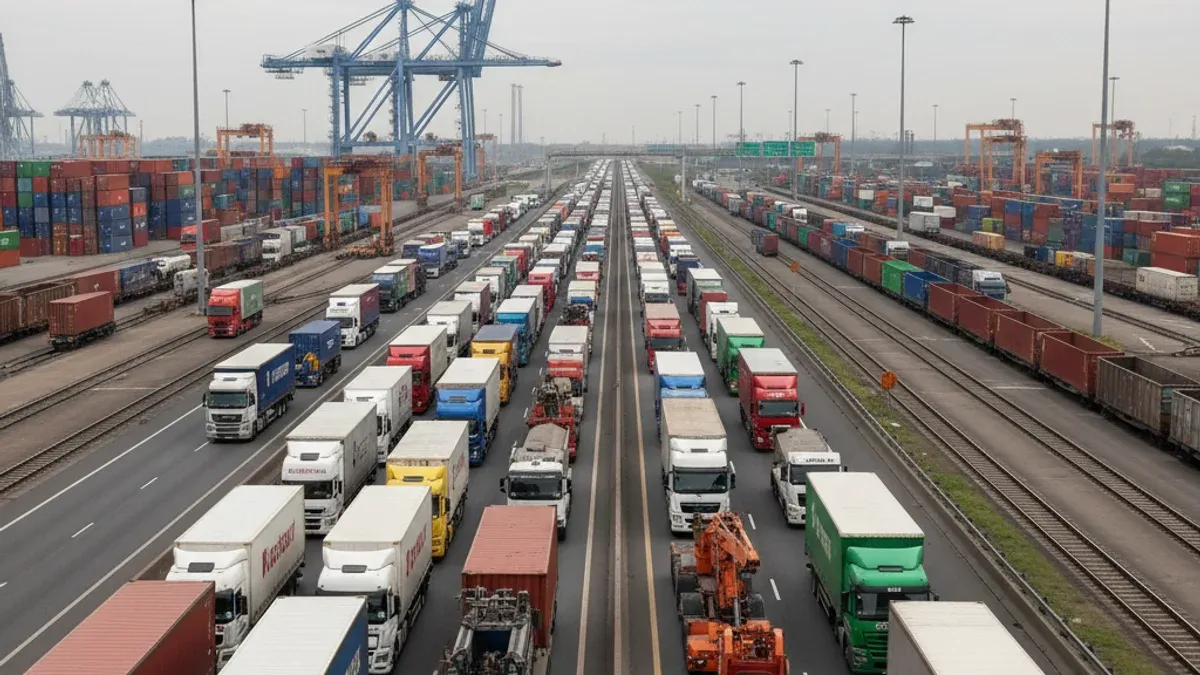
- By transport.
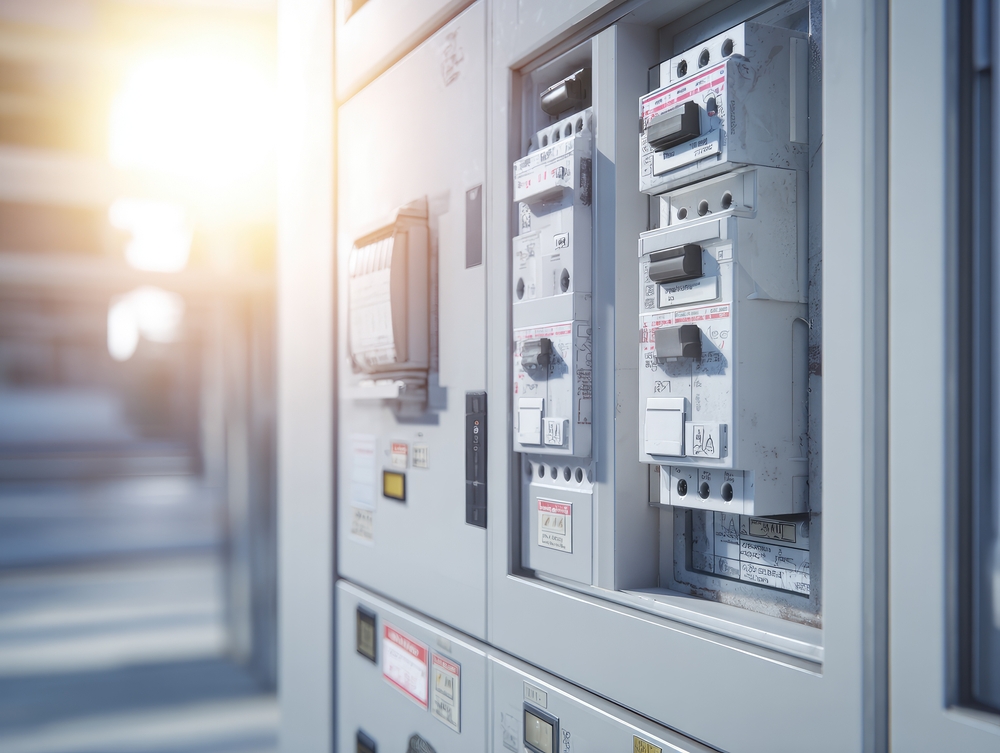
- In energy.
- In shopping.
- In stock.
- Under contractual conditions.
In times of decision. And that is precisely why it is so difficult to control, because what is dispersed among categories is no longer seen as a single problem. It is accepted as context. It is normalized. And over time, it becomes structure. Here's the real risk. Not that the market is uncertain. But rather that the company manages that uncertainty without knowing how much it is costing them. Because not all companies lose margin by paying more. Some lose it by deciding worse under pressure. For accepting conditions that they would have questioned before. For not reviewing contracts on time. For not distinguishing between a justified increase and an increase transferred out of prudence. Because they do not have sufficient visibility over their critical categories.
At this time, reviewing costs is not just about looking for savings.

It consists of recovering decision-making capacity.
Understand what costs are actually exposed. Which suppliers are transferring risk. Which contracts are no longer adequate. Which categories are becoming more expensive without a clear reason. And how much of the cost responds to the market... and which part responds to lack of control. Because in a stable environment, inefficiency can go unnoticed. But in an uncertain environment, it is amplified, and that's where companies that manage costs are separated from those that simply absorb them.
Because the problem is not uncertainty. It's believing that it's not costing you, and it is precisely at this point where, in many cases, it is worth reviewing in detail how costs are being managed.