All posts
Spanish investors have doubled their investment in oil and gas since the start of the war with Iran
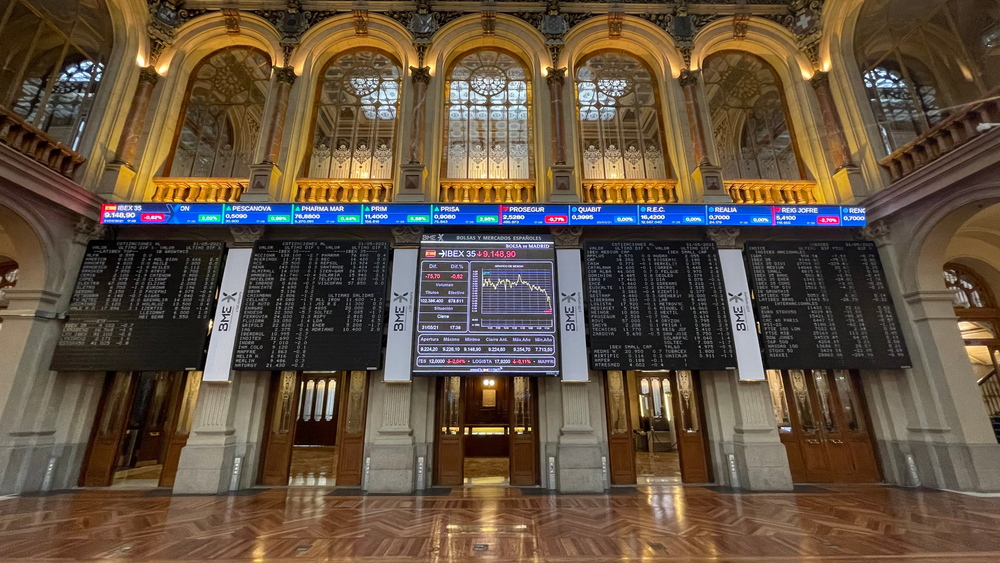

Spanish investors have doubled their investment in oil and gas since the start of the war with Iran. Despite the uncertainty, there has been no panic in the markets, but rather an increase in interest in capitalizing on opportunities in the energy sector, especially in commodities such as crude oil and natural gas.
The war in the Middle East has sparked a sharp rise in Spanish investors’ interest in oil, gas, and other commodities. Far from panic, brokers note that while there is nervousness, there is no capitulation, and that investment in these assets has even doubled. Trading in commodities has grown significantly, with increases in both volume and capital invested.
Energy ETFs have been in particularly high demand, especially among more experienced investors, although financial institutions warn of their complexity and risks, as many operate with derivatives whose prices may differ from the actual market price. Even so, several of the most traded products are linked to oil and gas, reflecting an opportunistic strategy in light of the geopolitical situation.
Oil has become the most sought-after asset, driven by expectations of price increases and high volatility. In addition, gas is also a concern due to rising prices and potential supply issues, especially in Europe, which is more affected than the United States. Overall, the energy crisis is intensifying investment activity and highlighting Europe’s vulnerability regarding these resources.
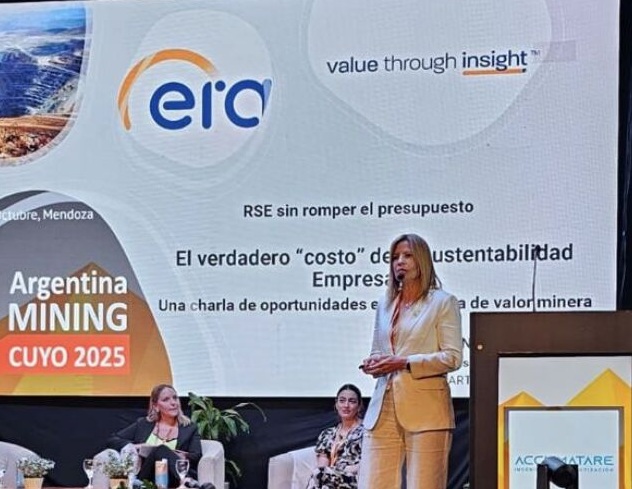
Manuel Velazquez, Partner at ERA Group, monitors global prices to manage margins for companies at ERA and has been experiencing moments of tension for weeks due to the impact that rising fuel or gas prices could have on various industries. “We are seeing price scenarios that could be concerning” in the case of gas, he acknowledges, since in the best-case scenario, prices will remain above 40 euros per MWh, which is 20% higher than pre-war levels. Qatar Energy has already acknowledged that it will take between three and five years to restore production at its Ras Laffan plant, which accounted for 17% of its production capacity and met 3% of global demand for LNG (liquefied natural gas), explains the expert, who points to Italy as the country most affected. It has not prepared sufficiently, as Spain did, following the outbreak of the war in Ukraine to reduce its dependence on foreign sources.
The current price crisis, "is affecting Europe much more - with gas six times more expensive - than the U.S, eflecting our geostrategic weakness in energey" [Manuel Velazquez, Partner at ERA Group]