
Optimizing for normal days won’t save you on critical days

Optimizing for normal days won’t save you on critical days
What the Port of Barcelona blockade teaches us about how we optimize costs when everything is running smoothly.
In a professional kitchen, everything seems simple when service is running smoothly.
Orders come in. Dishes go out. The team moves almost without speaking. Everyone knows what to do.
But that sense of fluidity isn’t a coincidence.
It depends on how the kitchen is organized.
On how the ingredients are prepared.
On whether there’s room to spare or if everything is operating at full capacity.
Until one day something goes wrong.
A supplier fails to deliver. An oven breaks down. Demand exceeds expectations.
The collapse occurs when the kitchen can’t keep up.
And not because it’s poorly managed, but because it was designed for a scenario where everything flows smoothly.
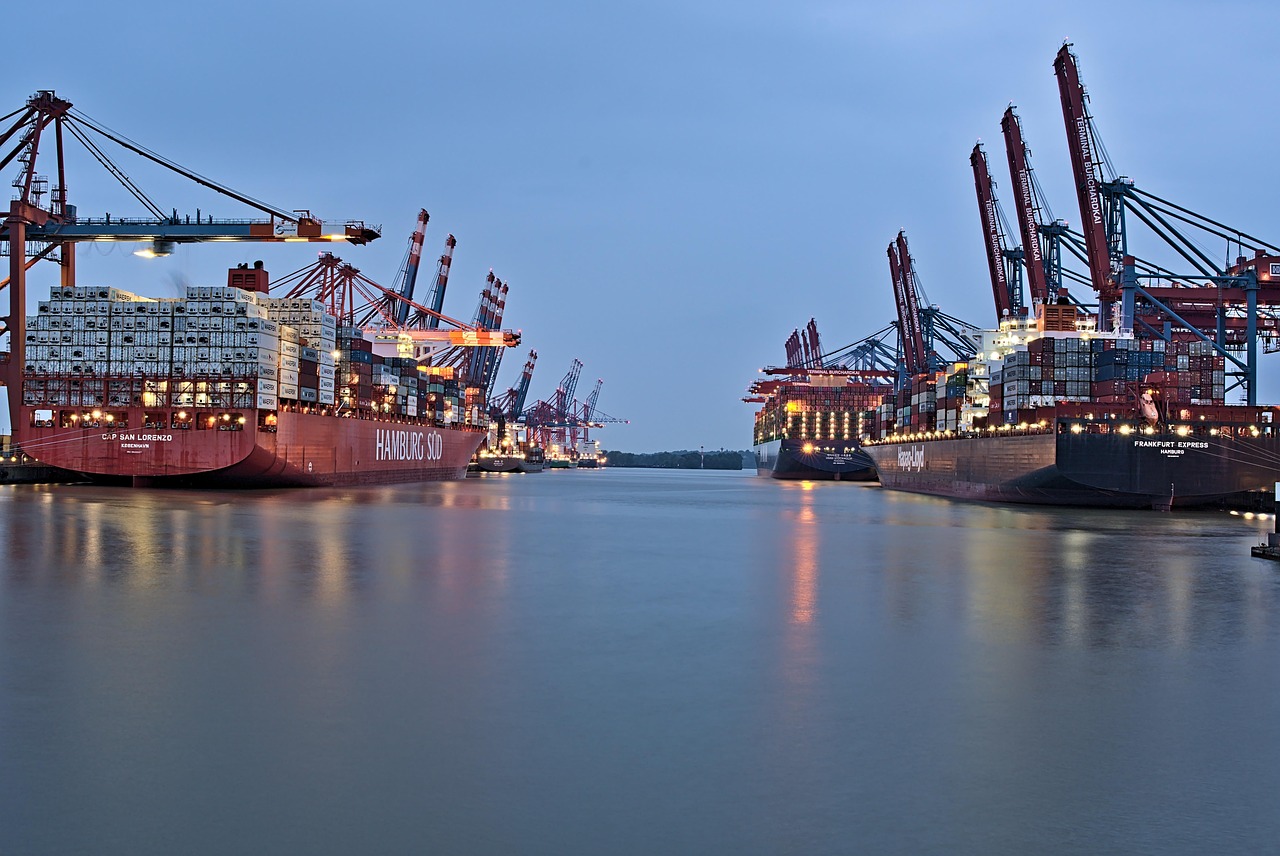
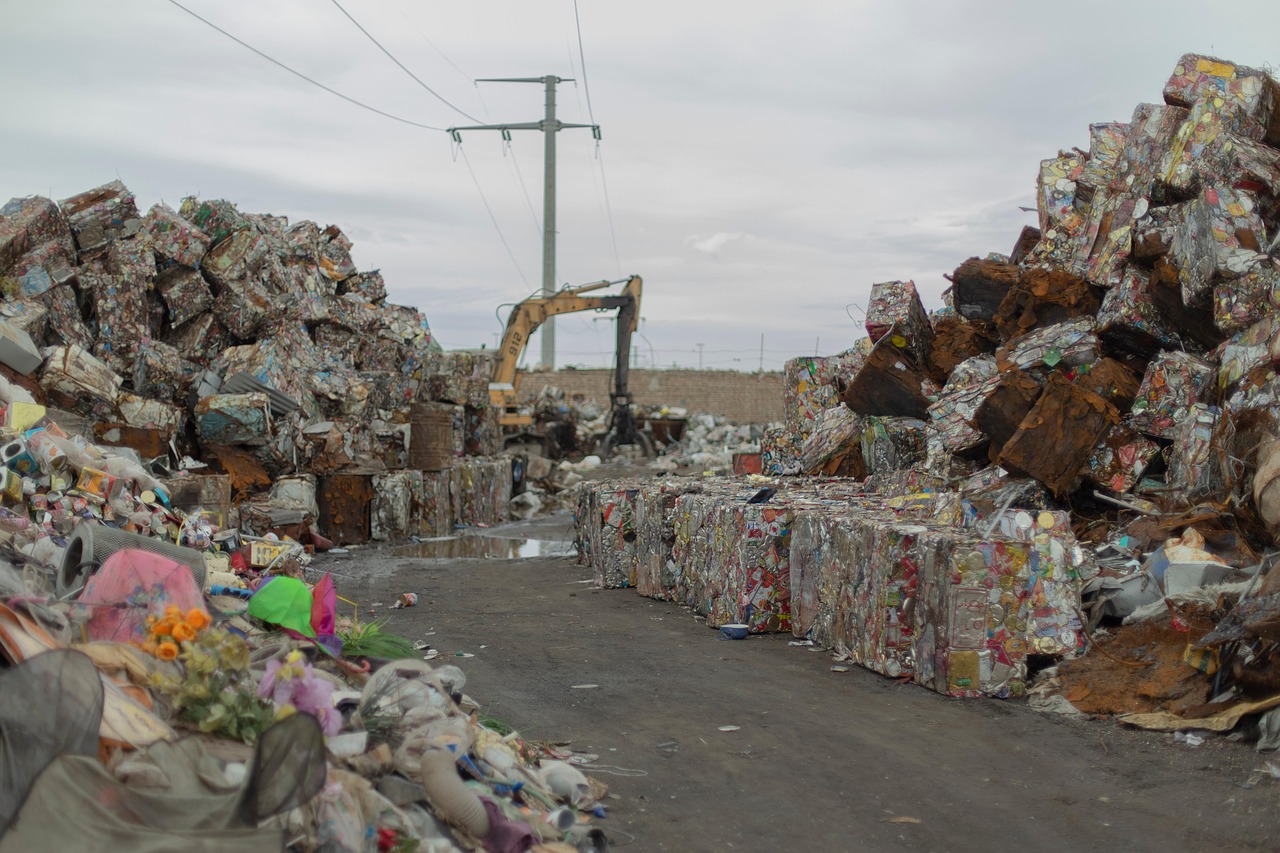
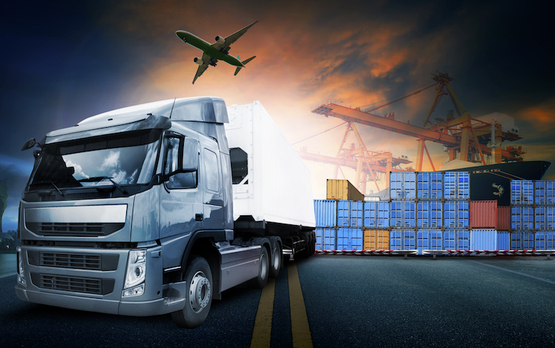
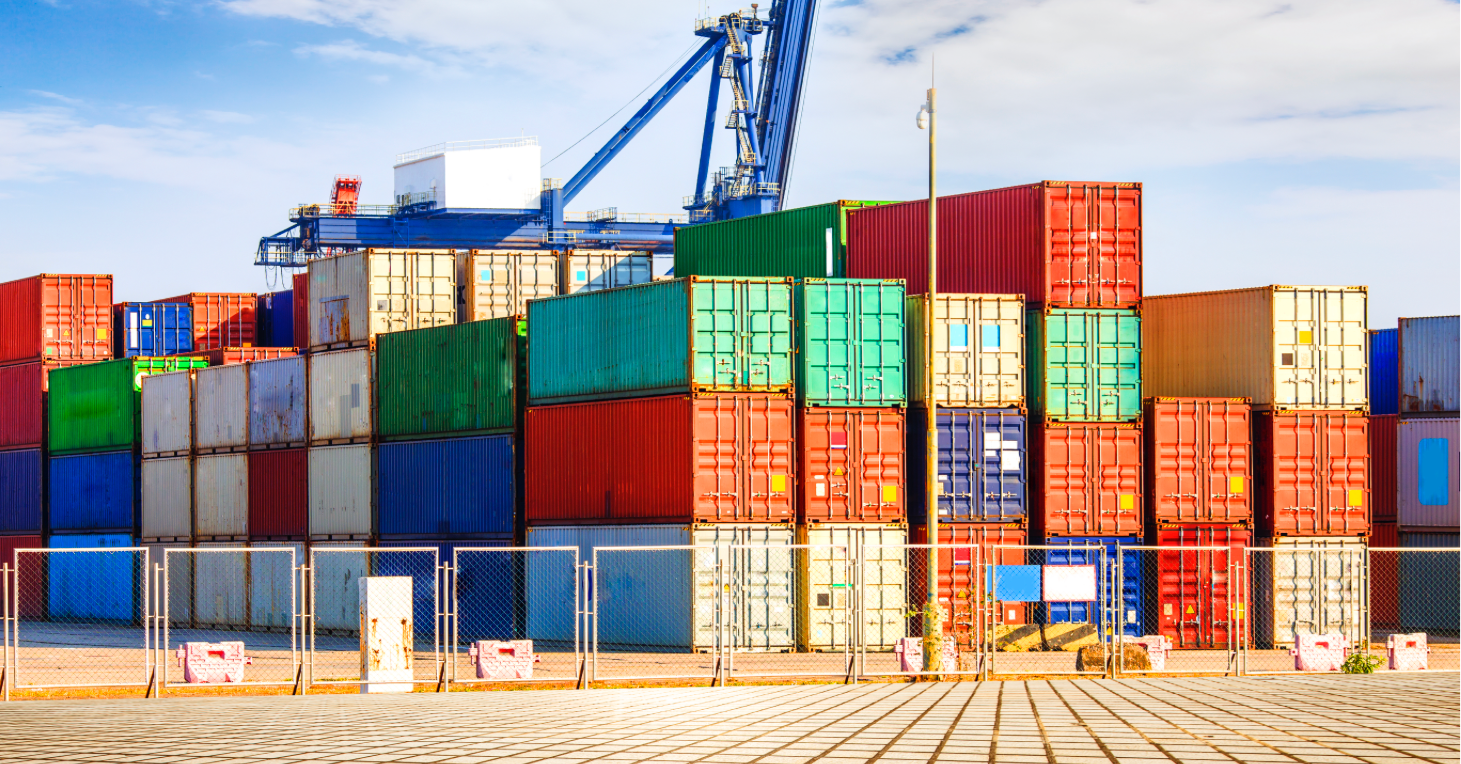
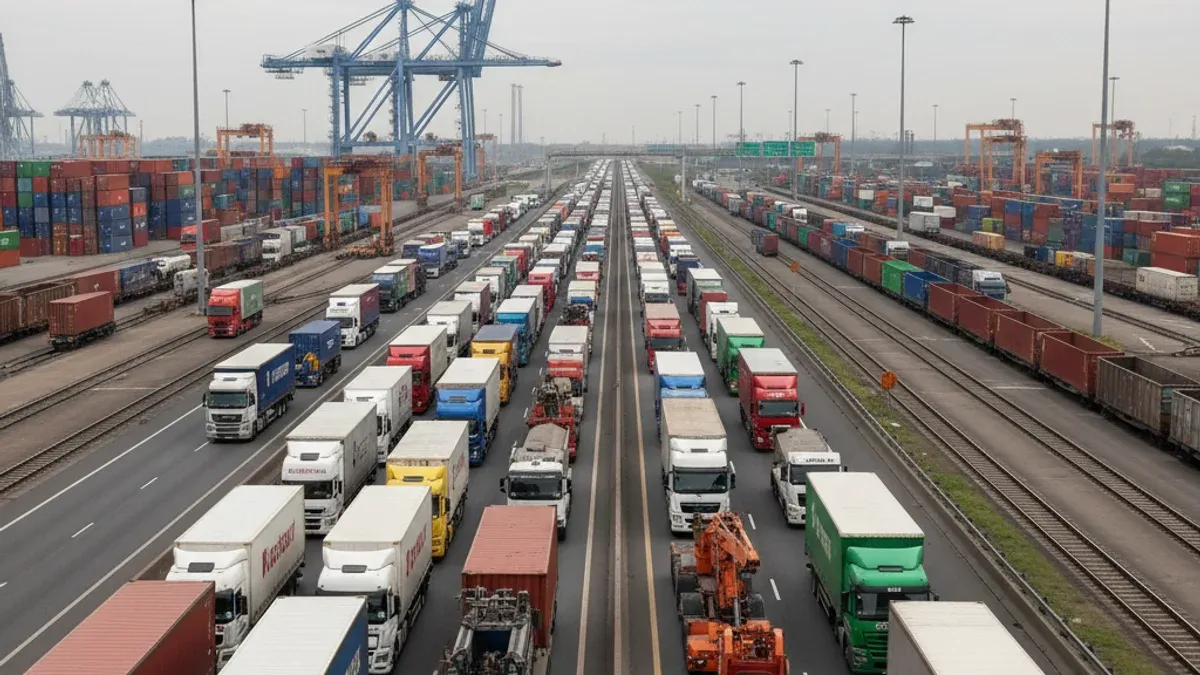
Something very similar has happened recently with the rail disruptions in Catalonia and the blockade of the Port of Barcelona.
The result has been devastating: millions in losses, delays in production lines, and cost overruns that some business associations estimate at up to two million euros per day during the first days of the crisis, according to El Confidencial in an article published on February 5.
And, as in restaurants, the problem isn’t where we usually look when we talk about costs.
When the system grinds to a halt, everything else comes under strain.
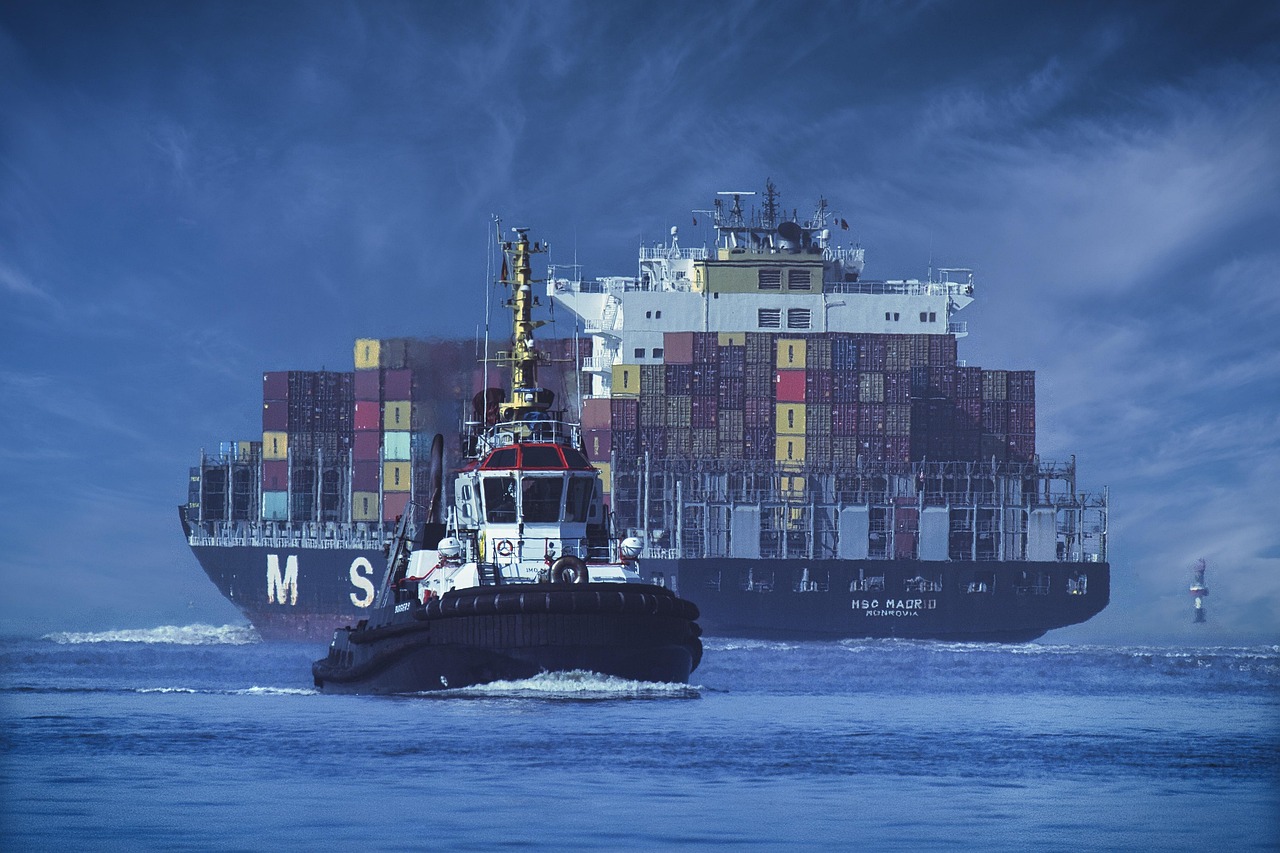
The Port of Barcelona is a strategic infrastructure. Not only because of its volume, but also because of the role it plays: it connects raw materials, industrial components, and goods with factories that operate on very tight logistics schedules.
When the rail system grinds to a halt, companies look for alternatives: road transport, air freight, or product exchanges between companies.
Any solution is welcome if it saves time.
Any solution is welcome if it saves time.
The problem is that almost all of them are more expensive, because the system was never designed to operate without that hub.
The same thing happens in a kitchen; when a stove is out of commission, you can’t stop cooking. The team makes do with what they have: orders are prioritized, delays are accepted, improvised decisions are made, and providing good customer service becomes difficult.
Service continues, but at the cost of a great deal of stress.
In the case of the Port of Barcelona, automotive, pharmaceutical, textile, and chemical companies have activated contingency plans to avoid production stoppages, absorbing cost overruns that no one had budgeted for in this scenario.
The mistake of optimizing only for things to go smoothly
The cost that doesn’t appear in any Excel spreadsheet is the one no one saw coming.
It’s not in the annual budget. It’s not included in the negotiated terms. It doesn’t appear in the base scenario.
But it ends up happening anyway.
It is the cost of reacting too late. The cost of paying more due to urgency. The cost of accepting worse terms because there is no longer an alternative.
It is the cost of having designed the structure for efficiency, but not for stress.
When everything is optimized down to the last detail, any deviation becomes more expensive.
The news report itself hints at this: the rail network is saturated, shares capacity with commuter trains, has no operational margin, and the lack of information exacerbates the impact. It is not just a technical problem; it is structural.
Translated into business terms: there are critical processes that depend on a single “pass through the kitchen.”
As long as it works, no one questions it.
When it fails, the entire system descends into chaos.
And that not only affects logistics costs but also results in lost efficiency, organizational strain, emergency decisions, and direct pressure on the half-year margins.
As some operators explained to El Confidencial, replacing the train with trucks is not easy; there aren’t enough resources available, and delivery times skyrocket.
It’s exactly like when a kitchen tries to handle more orders than it was designed to manage.
The problem isn’t optimization.
The problem is which scenario you’re optimizing for.
The question you should ask yourself before the next crisis hits
Costs are not a necessary evil; they are a strategic decision.
The question is not whether there will be another lockdown.
The question is: How is your cost structure designed for when it happens?
Do you depend on a single critical supplier? Do you have real alternatives or just theoretical ones? Do you know how much margin you would lose if a component stops working?
That’s why it’s important to ask not only how much they cost, but how they perform when the system goes down.
Many executive committees optimize for day-to-day operations, not for crisis situations. They seek maximum efficiency under normal conditions.
The problem is that normal scenarios are becoming increasingly rare.
In the kitchen, that’s called working at full capacity.
In business, we usually call it optimization.
Designing for stress does not mean oversizing.
It means understanding where your breaking point is before you reach it.
The blockade of the Port of Barcelona shows that a significant part of the industrial fabric operates on very tight budgets and with little room to maneuver.
And when a key piece of infrastructure fails, the real cost isn’t the alternative itself, but everything that falls into disarray around it, as if it were a side effect.
Optimizing costs also means designing for stress.
Not for the day when everything falls into place. Not for the supplier who always delivers. Not for logistics that flow without friction.
True optimization means asking yourself:
What happens if this part breaks down? What happens if the flow is interrupted? Where is the margin when something gets stuck?
Because efficiency designed solely for the ideal scenario works…until it doesn’t.
Often, the solution involves reviewing costs from the perspective of the bottleneck.
In other words: identifying where there is a real dependency and where there is no viable alternative.
But above all, what decisions are made in an emergency and how much they cost when they come too late.
In the kitchen, the restaurants that survive aren’t the ones with the cheapest menus, but those that know where they can absorb pressure without disrupting service.
The same thing happens in business.
The blockade of the Port of Barcelona is not a one-off incident, but a reminder that many cost models only work under ideal conditions.
And that optimizing without considering crisis scenarios is, in reality, just postponing the problem.
Because when the kitchen breaks down, it no longer matters how well the menu was designed.
And when it comes to costs, it’s almost always too late to improvise.