

The U.S. small parcel market continues to tighten in Q2 2026 as carriers raise operating costs, expand surcharges, and enforce stricter contractual terms. Fuel volatility, escalating accessorial charges, and the USPS’s introduction of its first-ever fuel surcharge are reshaping cost structures for shippers nationwide.
Market Highlights
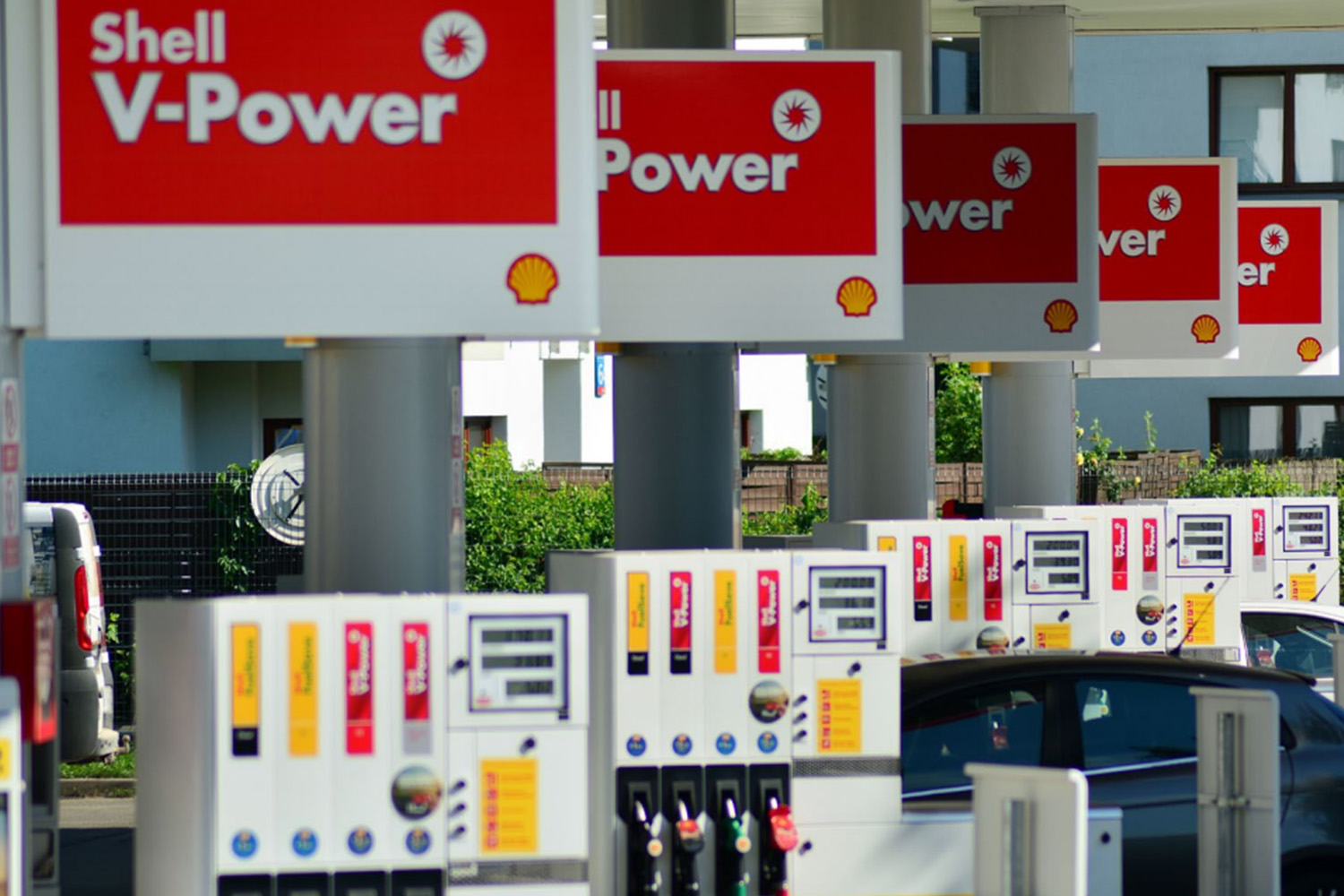
Rising & More Volatile Shipping Costs: Fuel-indexed charges have surged in recent weeks. Oil prices jumped ~40% since late February, prompting across-the-board fuel surcharge hikes. USPS will implement an 8% fuel surcharge on packages starting April 26 – a new variability in postal rates. Major carriers have also raised fuel surcharges; for example, UPS Domestic Ground’s surcharge climbed from 21.5% to 27% in late-March.

Shipper Impact:
• Higher parcel costs are independent of base rate changes.
• Fuel volatility = Reduced budget predictability.
• Greater cost escalation for large, heavy, or non-conveyable parcels.
Accessorial Fees Increasing Faster Than Base Rates: Delivery Area, Additional Handling, Large Package, and similar fees are up 6–10% in 2026, outpacing general rate increases. Surcharges now comprise roughly 30–40% of total parcel spend for many shippers, magnifying the impact of base rate hikes.
Shipper Impact:
• Hidden or unexpected charges on invoices.
• Significant increases for bulky or lightweight packages.
• Increased reliance on packaging & SKU optimization to control spend.
Growing Demand for Advanced Cost Intelligence: Rapidly evolving pricing structures (and volatile surcharges) require stronger analytics and visibility. Nearly 90% of shippers and carriers now rank cost reduction as their top priority, ahead of speed or service. This is driving greater reliance on parcel-level modeling, benchmarking, and real-time cost intelligence tools to identify overspend and optimize contracts.
Shipper Impact:
• Higher reliance on shipping intelligence.
• Increased need for parcel-level modeling
and benchmarking.
• Elevated overspend risk without detailed data analysis.
Bottom Line: To stay competitive, shippers must continuously monitor fuel and surcharge changes, optimize packaging, leverage cost intelligence tools, and adapt rapidly to shifting market conditions. ERA Group delivers data-driven parcel spend analysis and carrier contract optimization. Through detailed modeling, benchmarking, and visibility into surcharge behavior, ERA:
• Identifies hidden cost drivers.
• Uncovers immediate cost reduction opportunities.
• Strengthens long-term negotiation leverage.
In a market of rising costs and shrinking flexibility, ERA equips shippers with the insights needed to stay ahead.
About the Author

Matias Markus is a Consulting Partner with ERA Group. Based in South Florida, Matias helps businesses of all sizes optimize costs and maximize profitability. With over 25 years of experience in strategy consulting, telecom and air-freight, Matias has a deep understanding of the challenges and pressures businesses face. ERA Group is a global expense management consultancy that leverages specialized experts, industry benchmarks, and practical supplier industry knowledge to identify and deliver costs savings to clients.












.jpg)
.jpg)
.jpg)
.jpg)
.jpg)