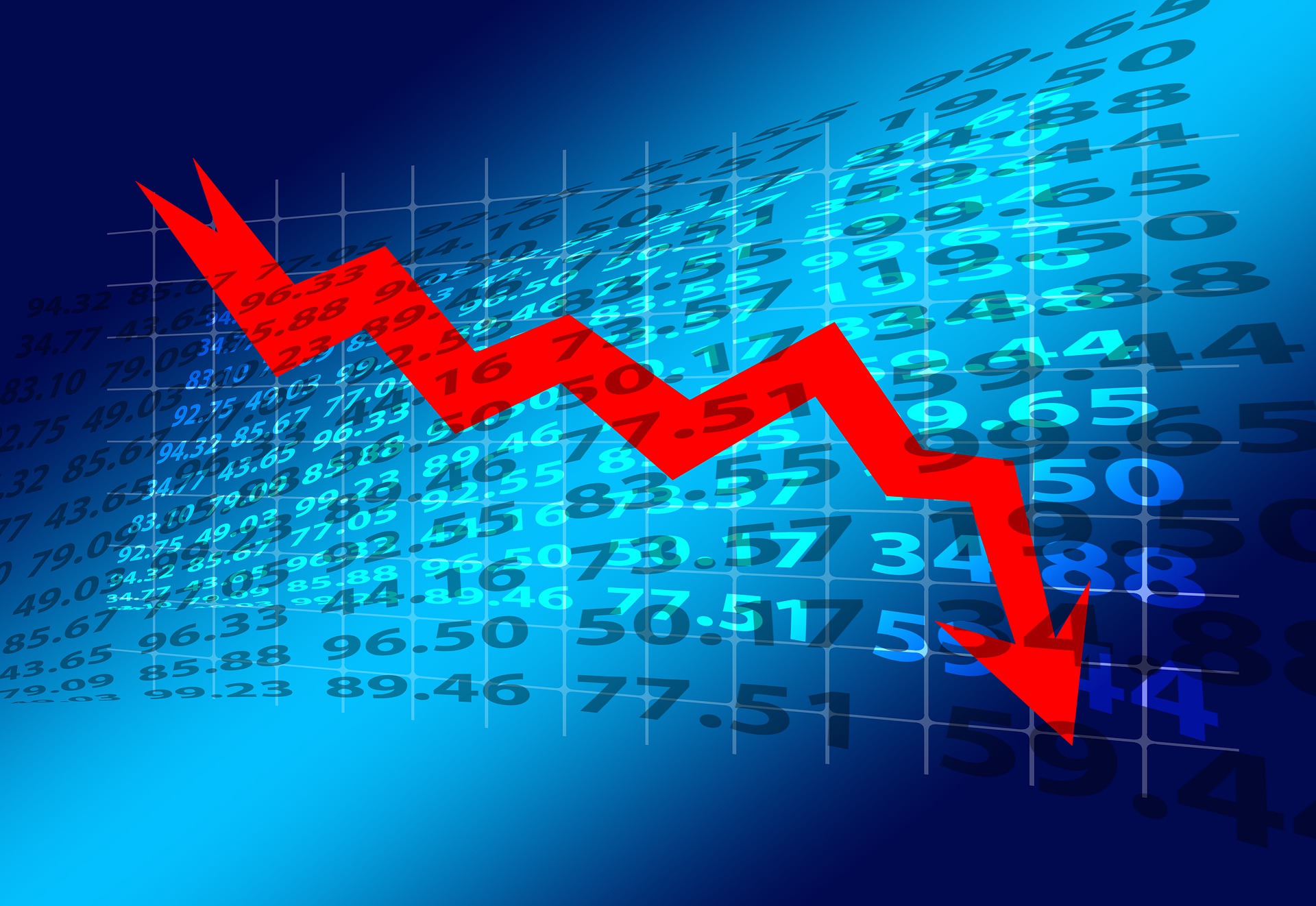

The German economy is currently in a recession, as underscored by the latest EMI statistics for the third quarter of 2023. With a sharp decline in production and an EMI of 39.6 points—well below the 50-point growth threshold—the situation is alarming. Business prospects are at their lowest level in a long time. This slump is the result of several factors—ranging from falling demand and customer uncertainty to high interest rates and energy prices.
Deeper Recession Expected
The International Monetary Fund (IMF) forecasts an even deeper recession for Germany in 2023, with economic output down by 0.5%. In 2024, however, a recovery is expected with growth of 0.9%. Globally, on the other hand, the growth forecast is subdued, with historically weak growth as a result of the COVID-19 pandemic and the crisis in Ukraine. The global impact is uneven, with a sharper slowdown in industrialized nations compared to poorer countries.
IMF experts emphasize that a full return to pre-pandemic trends appears increasingly out of reach. In addition to the pandemic and geopolitical tensions, tight monetary policy and extreme weather events are also slowing global economic growth.
Seizing Opportunities in AI and Digitalization
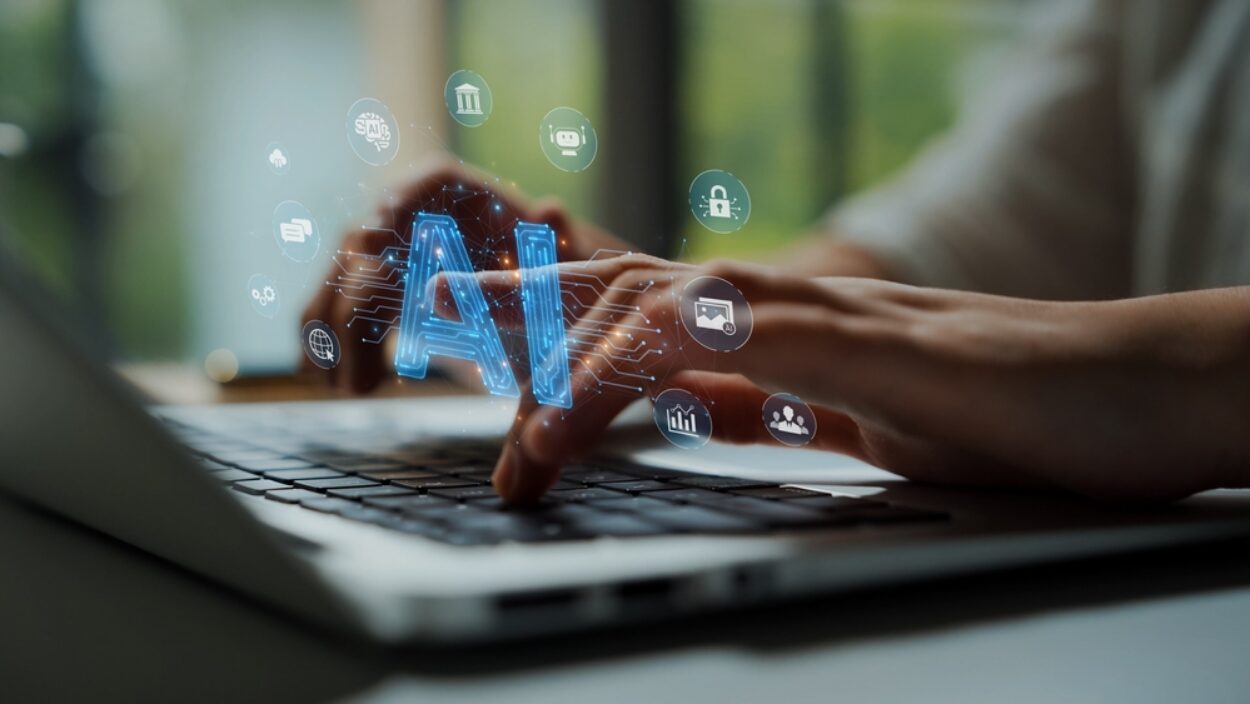
In this difficult phase, it is essential for companies to adapt their risk management strategies and leverage the opportunities presented by digitalization and artificial intelligence to improve their market position. At the same time, the industry is calling for vigorous reforms to secure Germany’s position as a business location in order to enhance corporate competitiveness.
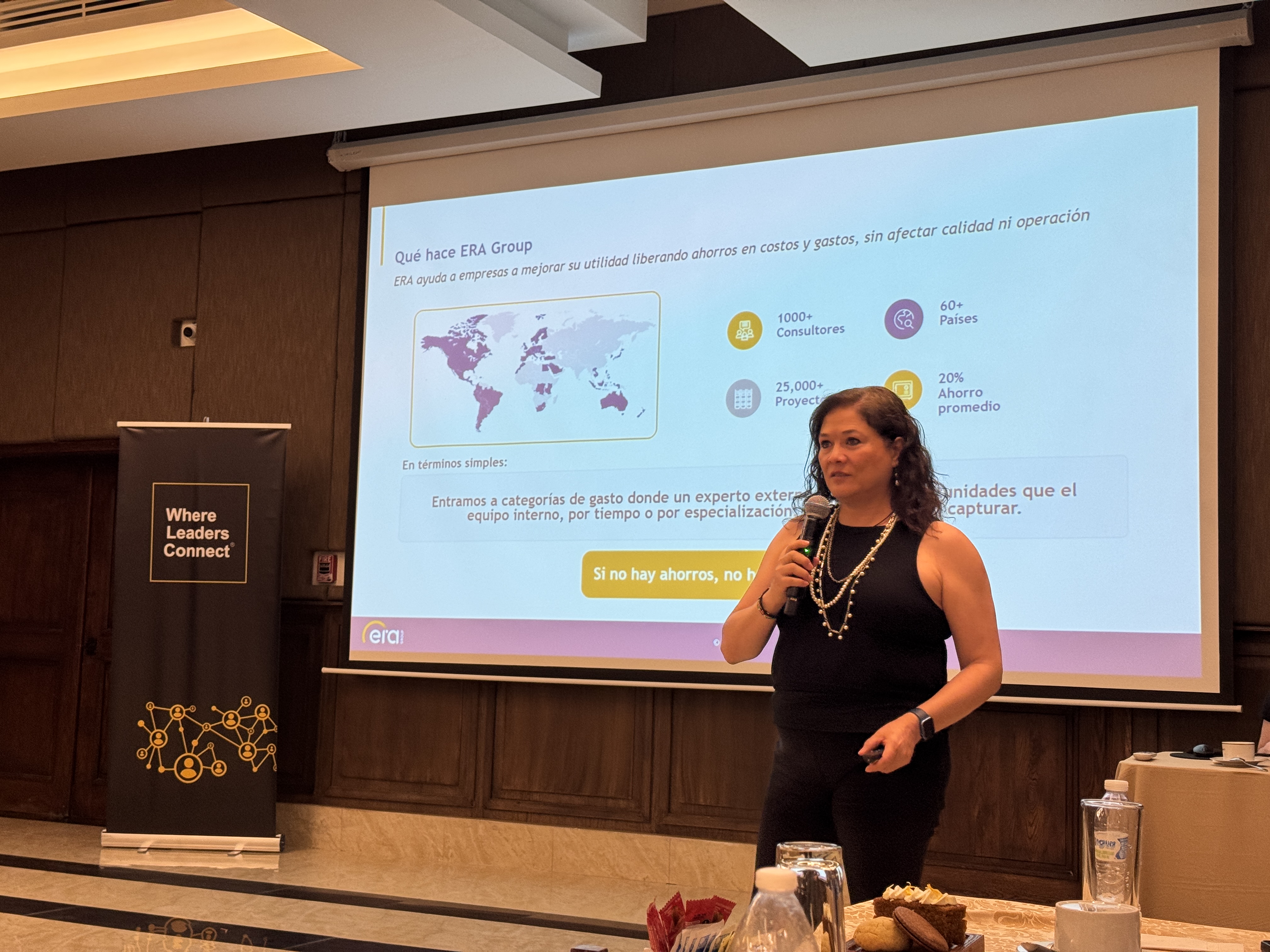
In light of the current economic situation, ERA Group offers companies support in optimizing their cost structures to promote financial resilience and create growth opportunities. With tailored solutions, ERA Group helps companies focus on their core competencies and navigate through economic uncertainties.







.jpg)
.jpg)
.jpg)
.jpg)
.jpg)