


In the current global economic climate, businesses are increasingly under pressure to manage their costs effectively, while simultaneously delivering on their commitments to sustainability and responsible business practices. At ERA Group, we recognize that these two goals are not mutually exclusive, and that businesses can achieve significant cost savings while also improving their environmental performance.
Environmental Initiatives and Cost Savings
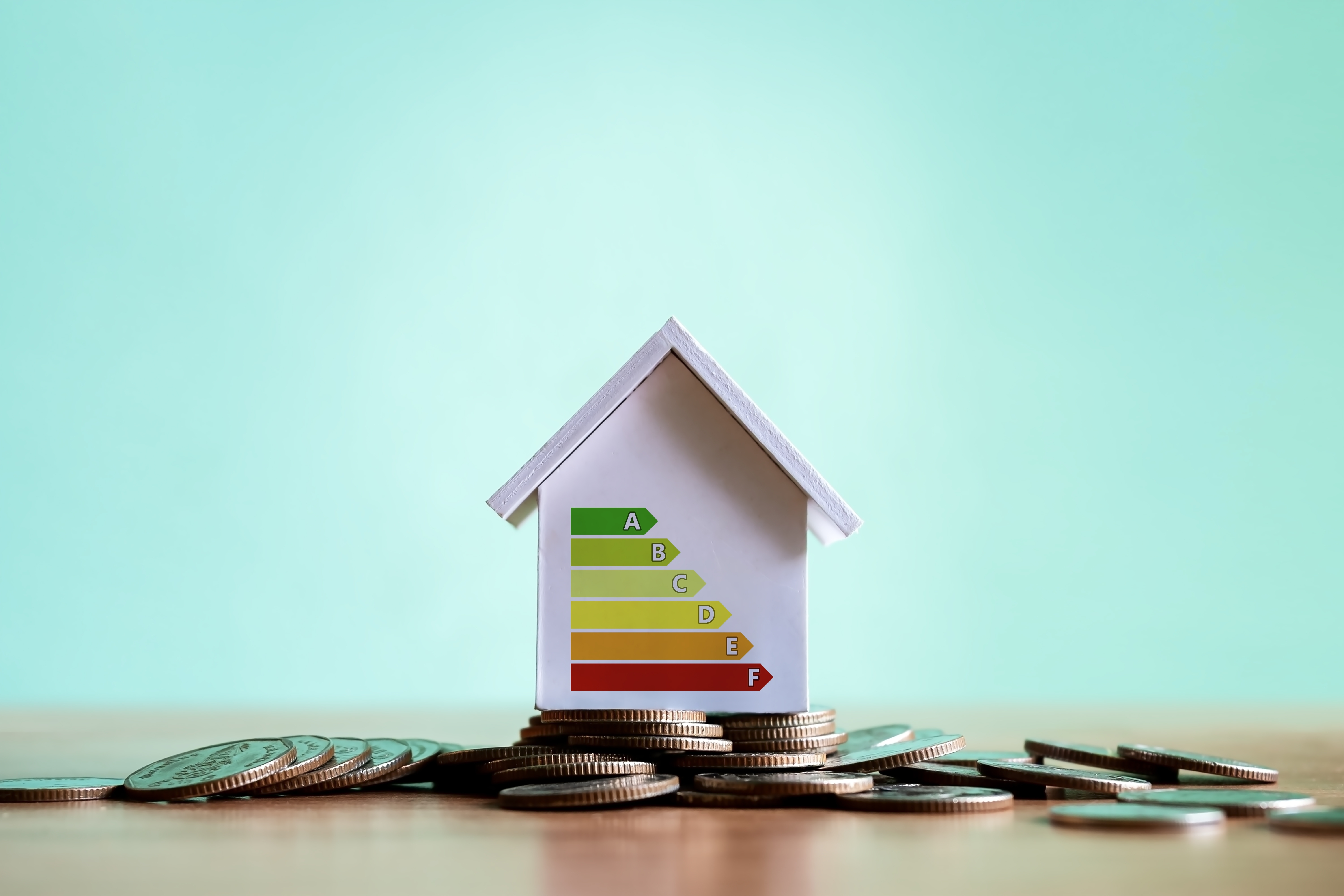
One key area where businesses can achieve cost savings and improve their sustainability performance is in energy management. By investing in energy-efficient technologies, businesses can reduce their energy consumption and, therefore, their energy costs. For example, businesses can switch to LED lighting, install energy-efficient heating and cooling systems, and invest in renewable energy sources, such as solar panels or wind turbines. These investments can lead to significant reductions in energy costs over time, as well as reducing the business's carbon footprint.
The Benefits of a Circular Economy
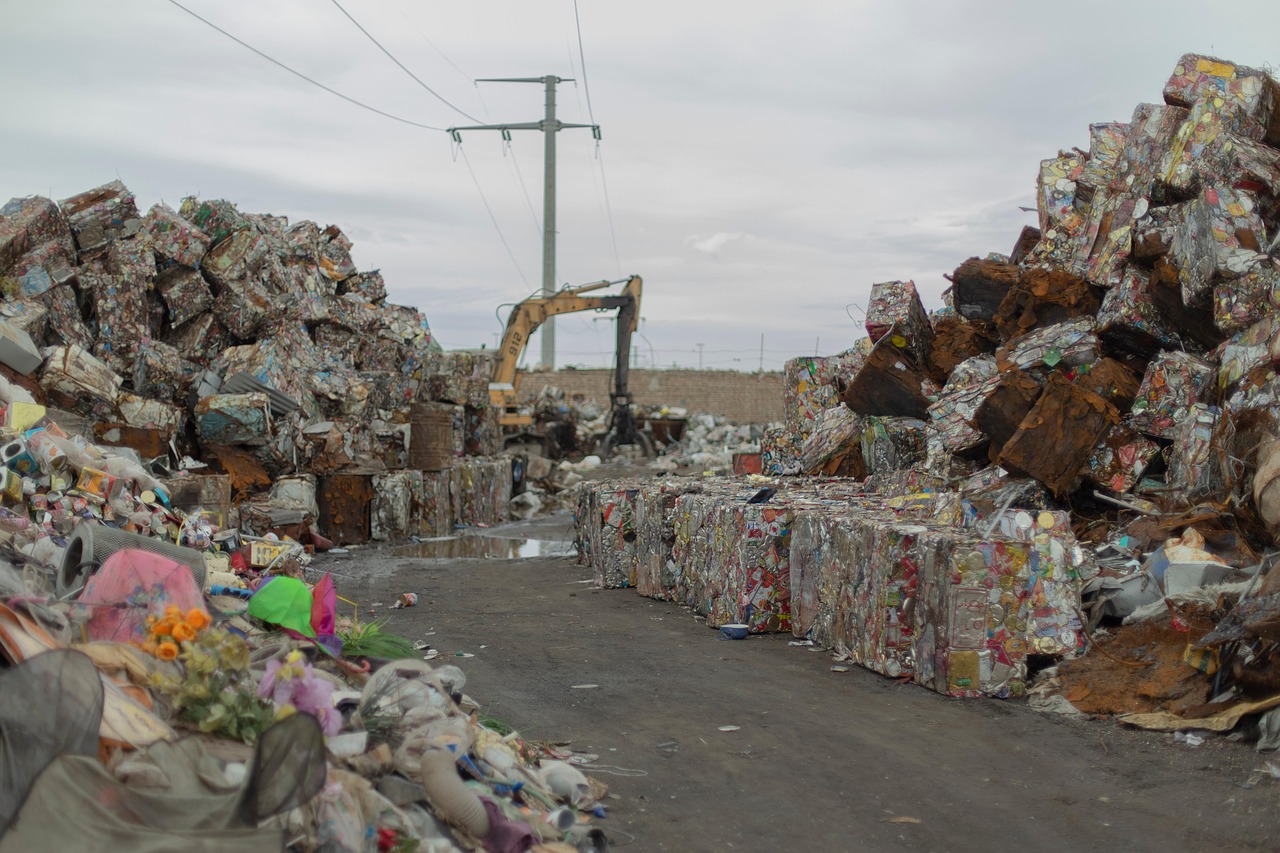
Another strategy that businesses can adopt to reduce costs and improve their sustainability performance is to move towards a circular economy. This involves designing products and services so that they can be reused, repaired, or recycled at the end of their life, rather than discarded. By doing so, businesses can reduce the amount of waste they produce, as well as the costs associated with waste disposal. They can also generate additional revenue by selling or licensing their products or services for reuse or recycling.
Sustainable Supply Chains
Businesses can also improve their sustainability performance by working with their suppliers to develop more sustainable supply chains. This can involve requiring suppliers to adopt environmental management systems, using more environmentally friendly materials, or reducing transportation distances and, therefore, carbon emissions. By working with their suppliers on sustainability initiatives, businesses can not only improve their environmental performance but also reduce their costs, for example by reducing transportation costs or by using materials that are less expensive because they are more sustainably sourced.
Reducing Operational Costs through Process Improvements
Process improvements can also help businesses reduce their costs while also improving their sustainability performance. For example, by improving the efficiency of their manufacturing processes, businesses can reduce the amount of raw materials and energy they use, leading to cost savings and reduced environmental impact. Similarly, by improving the efficiency of their logistics and distribution processes, businesses can reduce their transportation costs and carbon emissions.
The Role of ERA Group in Helping Businesses Balance Cost and Sustainability Goals
ERA Group can help businesses balance their cost and sustainability goals in several ways. First, ERA Group can help businesses identify areas where they can make cost savings while also improving their environmental performance, for example by reviewing their energy contracts, improving their energy efficiency, or identifying opportunities to move towards a circular economy. Second, ERA Group can help businesses develop and implement strategies for achieving their sustainability goals, for example by working with their suppliers to develop more sustainable supply chains or by helping them improve the efficiency of their operations. Third, ERA Group can provide businesses with access to a network of experts and resources to help them achieve their sustainability goals, for example by providing access to renewable energy providers or sustainability consultants.
Conclusion
In conclusion, businesses do not have to choose between cost management and sustainability. By adopting a strategic approach to cost management that incorporates sustainability considerations, businesses can achieve significant cost savings while also improving their environmental performance. ERA Group is committed to helping businesses achieve these goals, providing expert advice and support to help businesses balance their cost and sustainability objectives effectively.