


According to the Bank of Spain, more than a third of Spanish companies already point to economic uncertainty as one of their biggest problems, and a similar percentage to pressure on their margins.
And even so, we continue to observe how most continue to manage the cost as if the environment were stable: buying well = buying cheap.
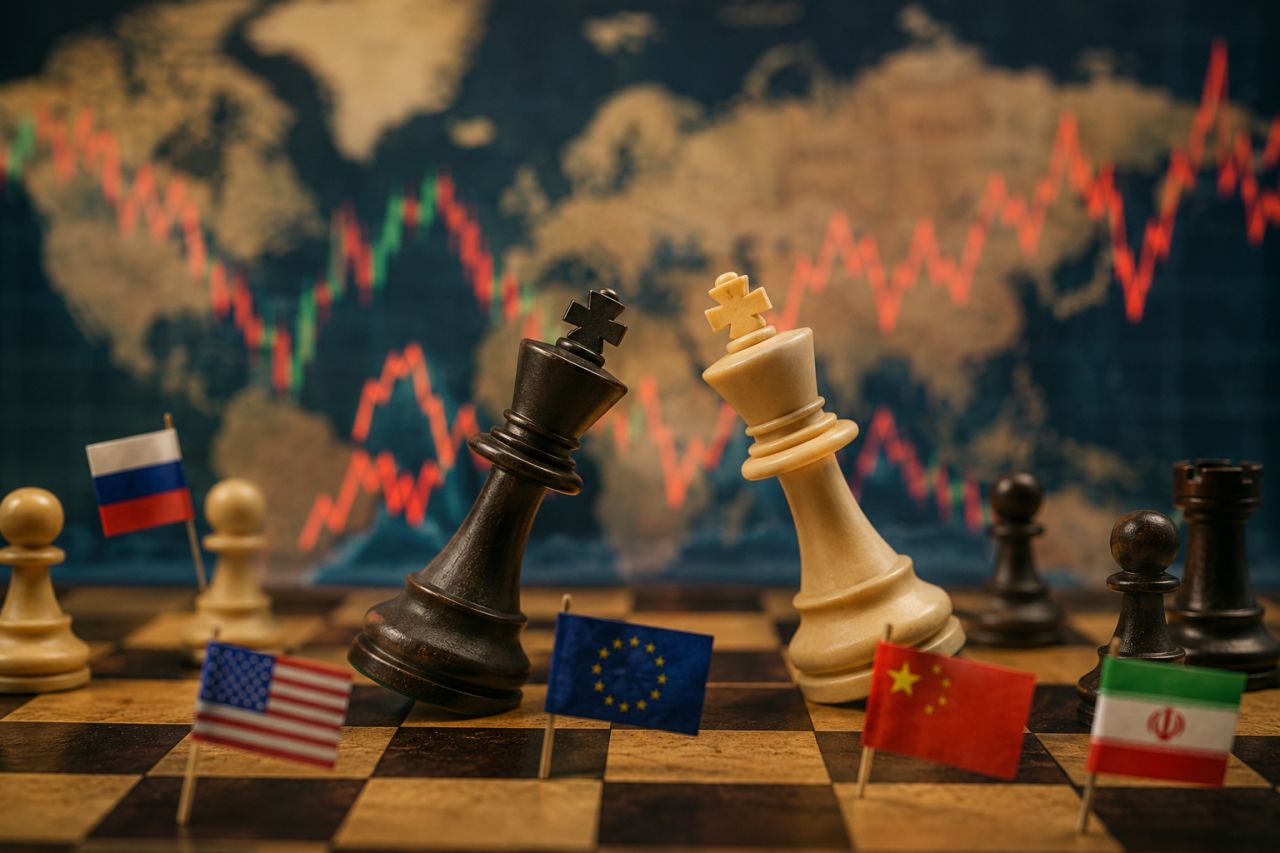
That equation has been broken. Geopolitical risk is at its highest level in decades (IMF), and instability is no longer an exception but the norm. When that happens, the unit price is the peak of the cost, not the cost.
Right now, volatility has to be treated as just another line on the income statement:
— Freight surcharges that are reviewed weekly, not annually.
— Quotes with 72 hours of validity.
— Insurance renewals in cases that are no longer fulfilled.
The underlying problem is the time asymmetry: the purchase decision is made with today's price, but the contract lives twelve or twenty-four months. The data with which you decide expires before the commitment you sign.
What I recommend to managers, committees and councils, rather than "how do we cut 10%", is to reflect on the following:
1. How much of our cost structure depends on variables that we do not control.
2. How often we review surcharges that we have already accepted.
3. If we have a market reference to know if a rise is real or taken advantage of (very important).
The companies that are navigating smoothly in this environment are those that assume volatility and geopolitical risk as a key process to manage on a day-to-day basis, not as something exceptional or one-off.
How do you do it in your company? What is your vision?