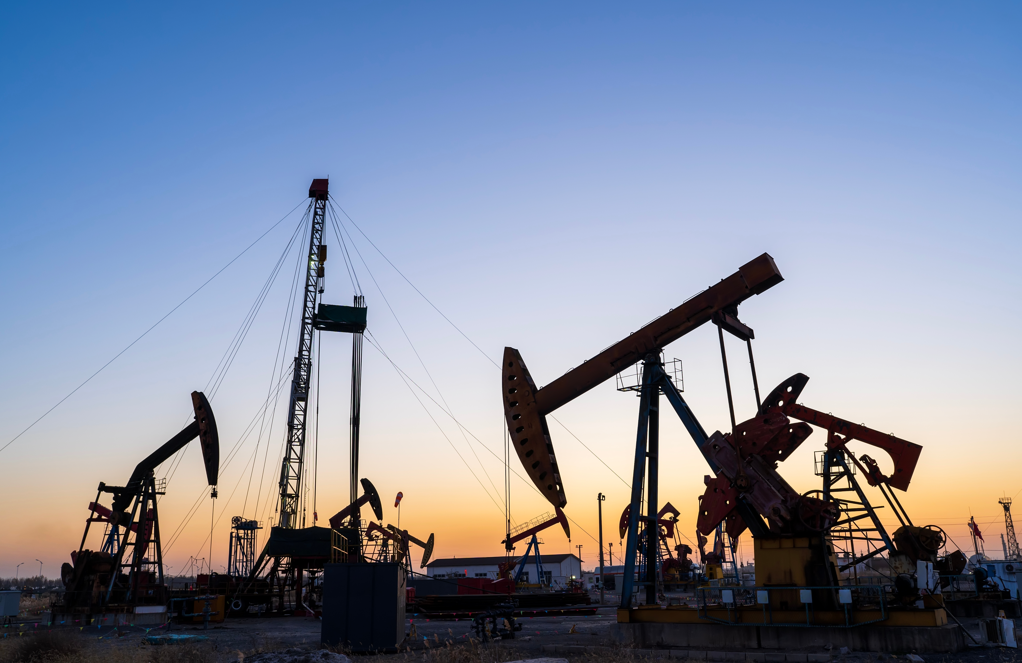



Oil fell from $117 to less than $70 a barrel in three months. Did your cost structure drop as quickly?
I doubt it. And it is no coincidence.
Since 1991, the economic literature has called it "rockets and feathers": prices rise like a rocket when crude oil rises, but fall like a feather when crude oil falls. Borenstein, Cameron and Gilbert confirmed this for the United States in the Quarterly Journal of Economics; Anderson, Banker, and Janakiraman documented it for general and administrative costs in the Journal of Accounting Research: they rise 0.55% for every 1% that activity rises, but they fall only 0.35% when it falls. McKinsey sees the same pattern in negotiations with suppliers: Cost cuts take months to move on, if anyone demands them at all.
In Central America, this has an additional nuance. Guatemala today has the cheapest gasoline in the region, according to the MEM, but much of that relief comes from a subsidy that runs out at the end of July, not from a structural cut. Confusing the two things when budgeting for the second half of the year is a mistake that costs more than one company a margin.
The question that should be on your next steering committee is not whether oil has fallen. It is how much of that decline actually reached its income statement, and in what timeframe.
At ERA Group we do not charge if we do not find real and proven savings. During the next two weeks of July we will be conducting Feasibility Studies at no cost to quantify this gap, category by category.
If you're interested in having that clarity before you close out the third quarter, request an appointment and we'll set up a 20-minute conversation this week.
Download the resource