All case studies
Scaling Smarter: How TTI Transformed Logistics, Packaging, and Sustainability with ERA Group
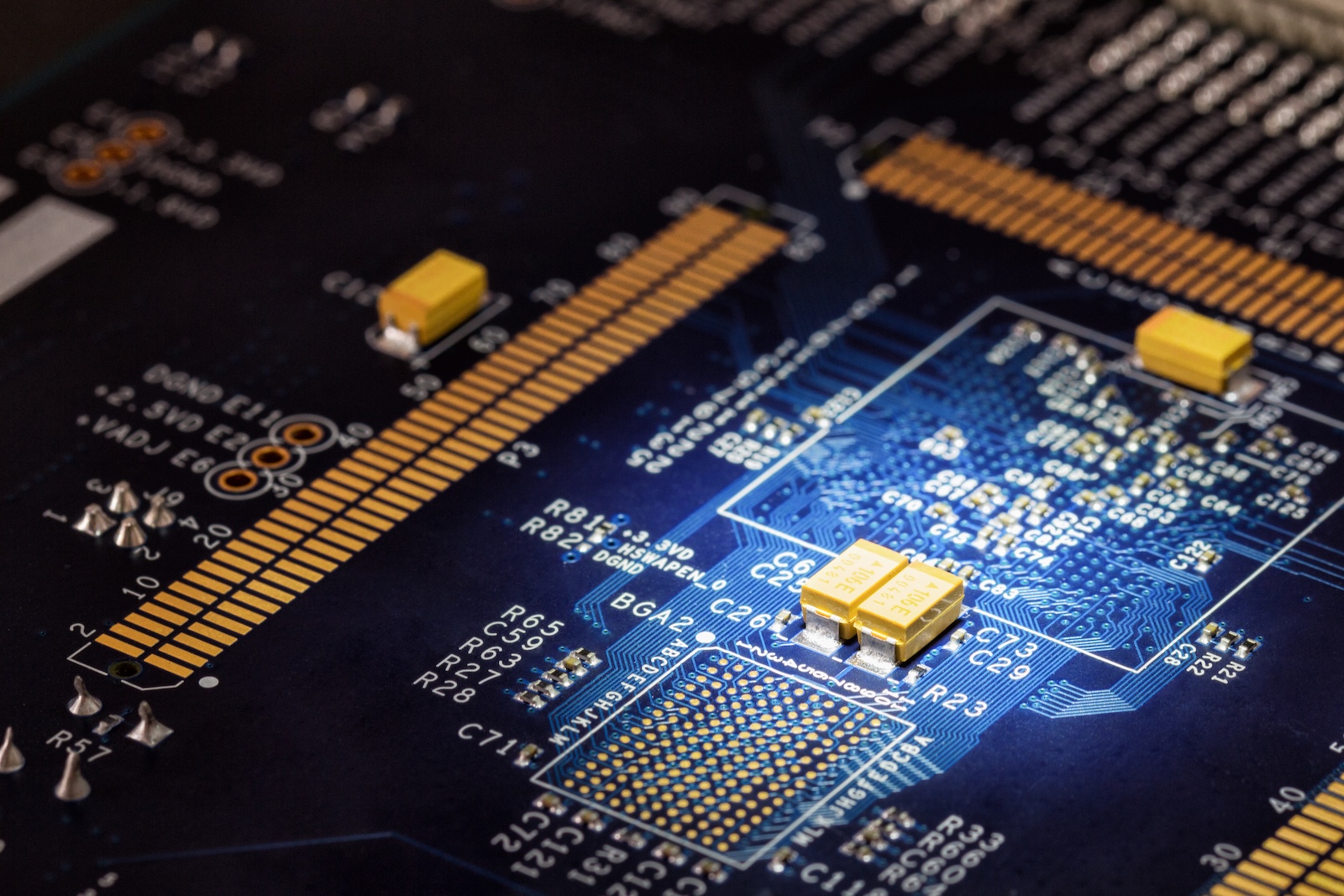

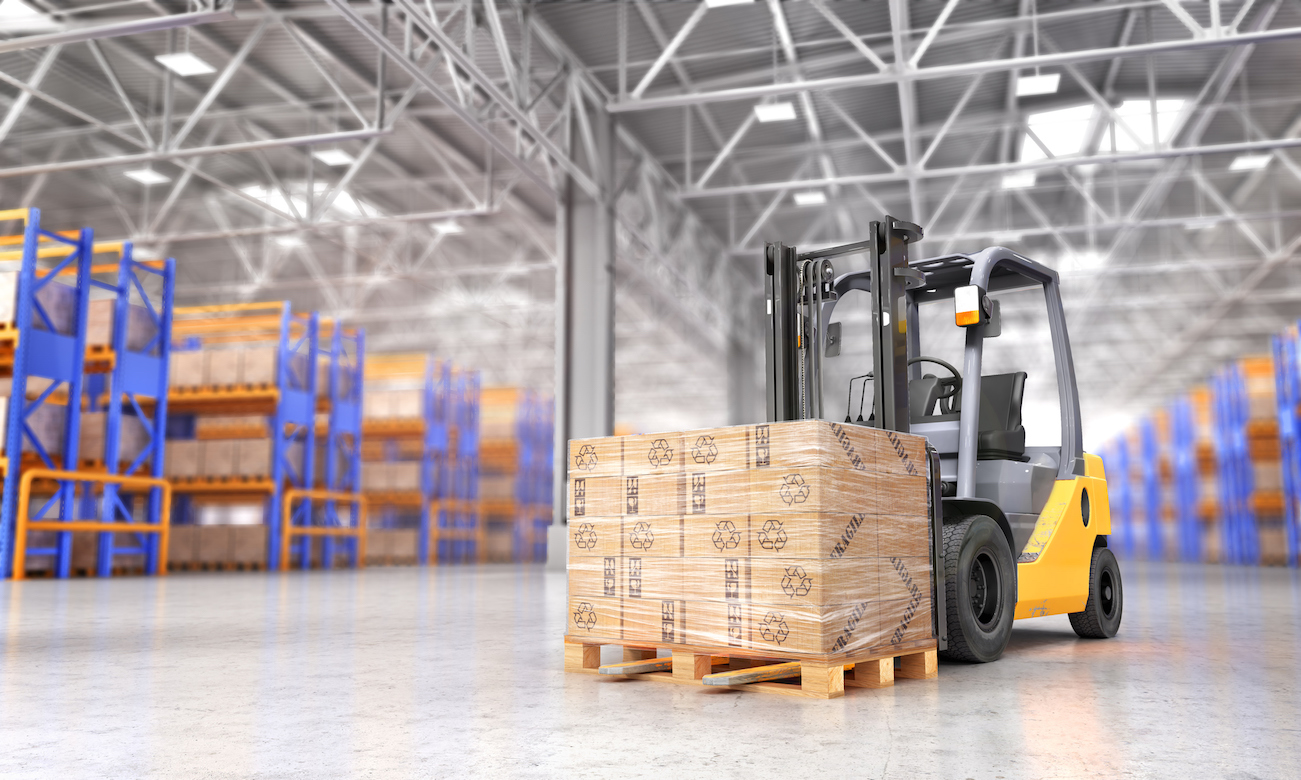
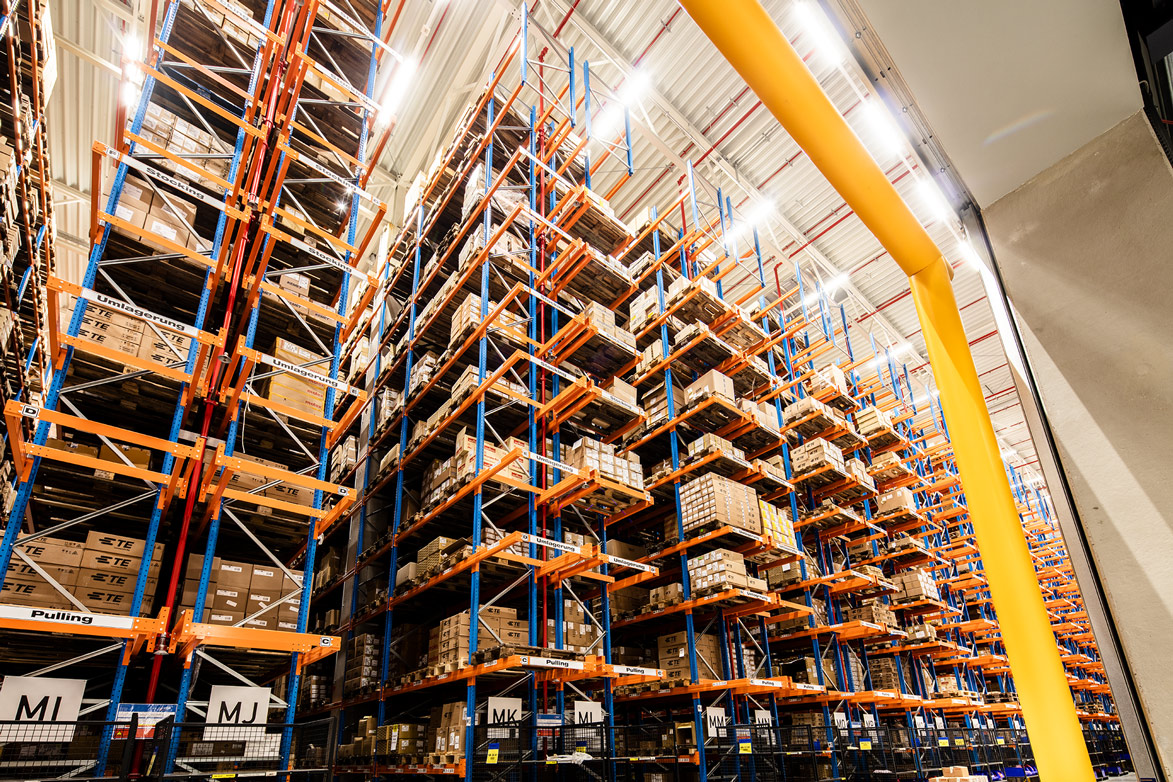
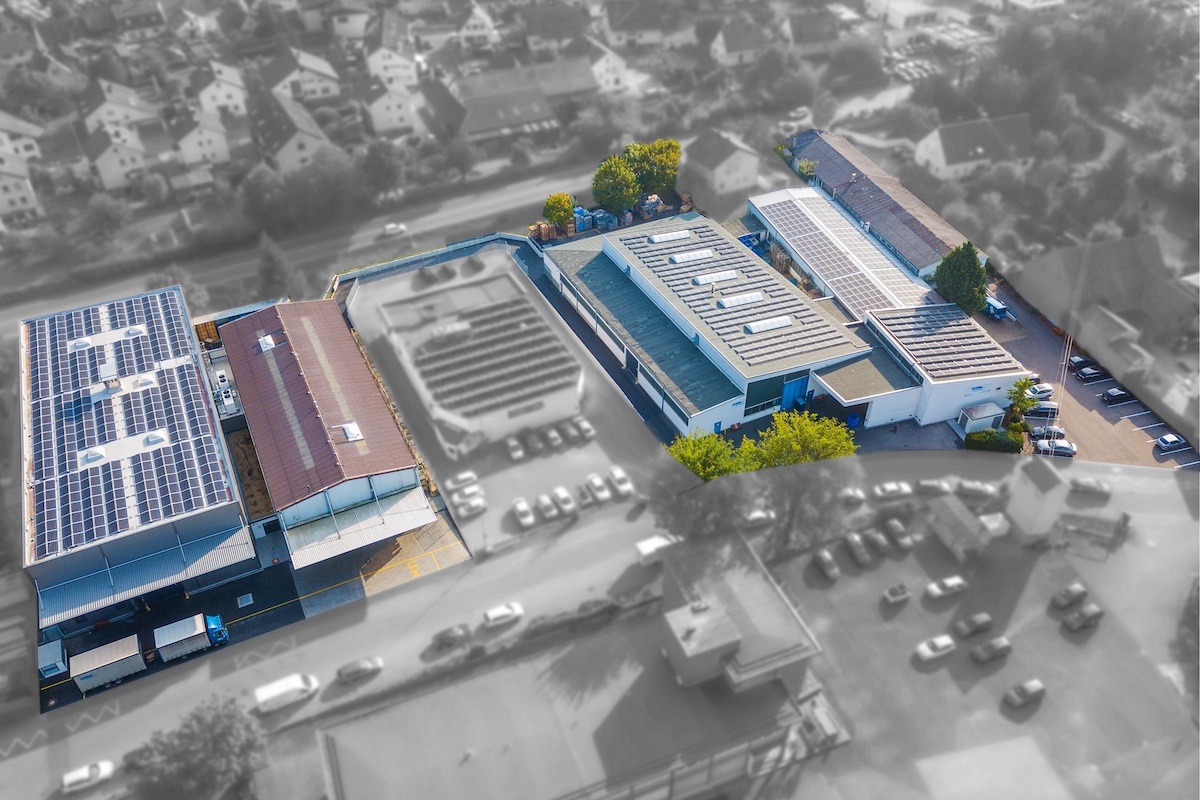
Every day, more than 3,900 parcels and 100 pallets leave TTI's European distribution centre in Maisach-Gernlinden, Germany, near Munich. With over 850,000 product lines in stock and 5,400 employees across Europe, North America, and Asia, TTI has become a global leader in distributing electronic components to industry and end customers.
But rapid growth came at a cost. Logistics and packaging expenses for the Bavarian hub had already reached €8 million annually for logistics and €2 million for packaging. Existing processes left too much empty space in packaging, underutilised trucks, and left unnecessary emissions - all while customer expectations for service quality and sustainability were rising.
As Thomas Rolle, Corporate Senior Vice President Global Operations and Supply Chain Programs at TTI, explains:
The reason for working with ERA was to ensure that the quality level would at least be maintained - if not improved. This has been confirmed throughout the collaboration.
The Challenge: Growth Meets Complexity
TTI faced a threefold challenge:
Internally, teams recognised the issues but lacked the capacity and specialist expertise to redesign systems at this scale. The solution required not just cost savings but process transformation, automation, and sustainability integration.
ERA Group brought deep category expertise, benchmarking insights, and hands-on project delivery. Together with TTI's teams, ERA launched a review of logistics, packaging, and telecommunications.
Change management was a critical success factor. Packaging automation was phased in through pilot zones, employees were trained, and logistics partners were engaged early to adapt to new packaging sizes.
As Rolle emphasises: “We benefited enormously from ERA's market knowledge. In addition, we received intensive support throughout the entire process.”
8% savings in logistics costs, achieved through route optimisation, improved lorry utilisation, and dynamic packaging reducing partial loads and unnecessary emissions.
18% savings in packaging costs delivered through the introduction of two automated packaging lines dynamically adjusting parcel sizes to product dimensions.
28% savings identified on an €80,000 annual telecommunications spend, achieved by streamlining mobile contracts in parallel with the logistics programme.
Combined savings across logistics, packaging, and telecommunications freed over €1 million annually for TTI to reinvest in growth and innovation.
Transaction volumes increased by 20% and inventory by 30% during implementation - yet the system went live ahead of schedule and under budget.

The collaboration delivered multi-dimensional results:
During implementation, transaction volumes increased by 20% and inventory by 30% - yet the system went live ahead of schedule and under budget.
Today, ERA's partnership with TTI continues. Packaging and logistics are not treated as one-off projects but as part of a continuous optimisation journey. Together, TTI and ERA are already exploring:
ERA has helped TTI not only save money, but also future-proof its operations against regulatory risks, market volatility, and sustainability demands.
For TTI, growth once meant rising complexity, costs, and emissions. With ERA Group, it became an opportunity to modernise logistics and packaging, introduce automation, and embed sustainability into daily operations - while still delivering substantial savings.
Here we could see that ERA had a very sophisticated process, which really helped in implementing the projects. - Thomas Rolle, Corporate Senior Vice President Global Operations and Supply Chain Programs.
8% savings in logistics. 18% in packaging. 28% in telecoms. €1 million+ freed annually.
The message for business leaders is clear: cost control, efficiency, and sustainability are not competing priorities. With the right partner, they can move forward together.
ERA finds savings where you least expect them - turning complexity into capital for growth.













.webp)





.webp)