All posts
35 million euros in revenue and only 0.55 percent profit: What did this entrepreneur do wrong?


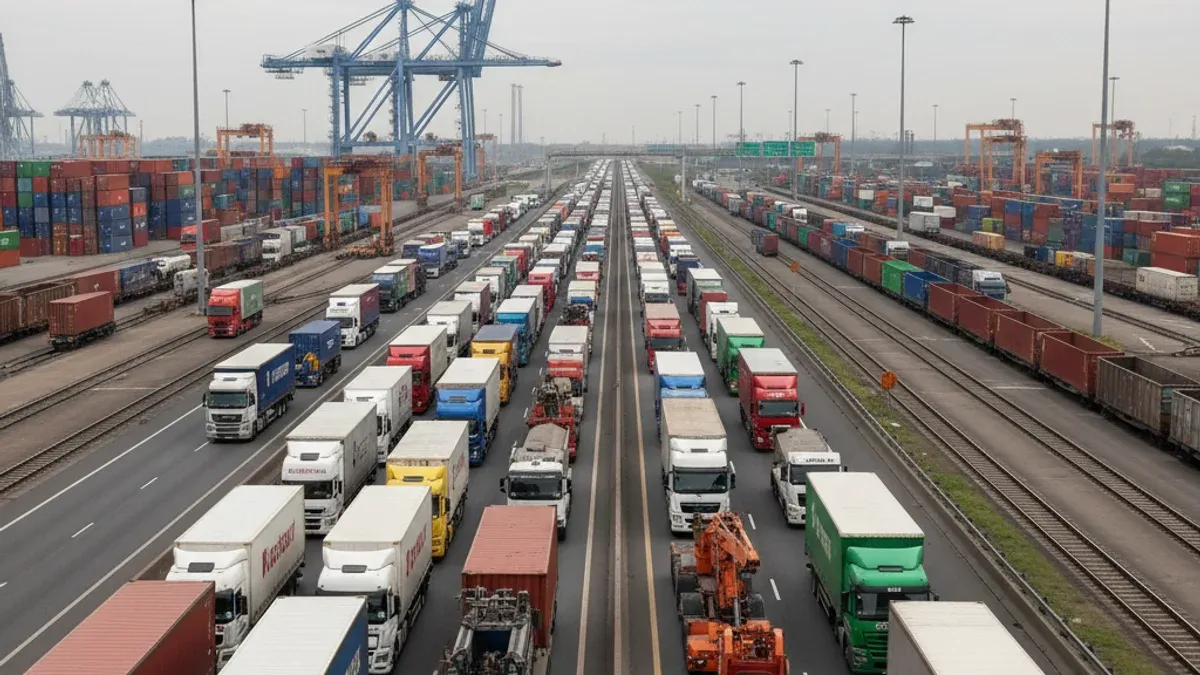
This week I had a conversation like several I've had already. A transport entrepreneur with an annual turnover of 35 million euros and a profit margin of only 194,000 euros. A net profit of 0.55 percent, in other words. This percentage does not include major investments or accounting tricks that color the year. No, this is the picture of the past few years and what keeps recurring. Hats off to the entrepreneur in question, who manages to keep his head above water despite all the challenges.
In many companies, the bottom-line result is the sum of various activities. However, it often turns out that only a small portion of the products or services generates the majority of the profit. We call this the Pareto principle: 80 percent of the profit often comes from 20 percent of the products or services.
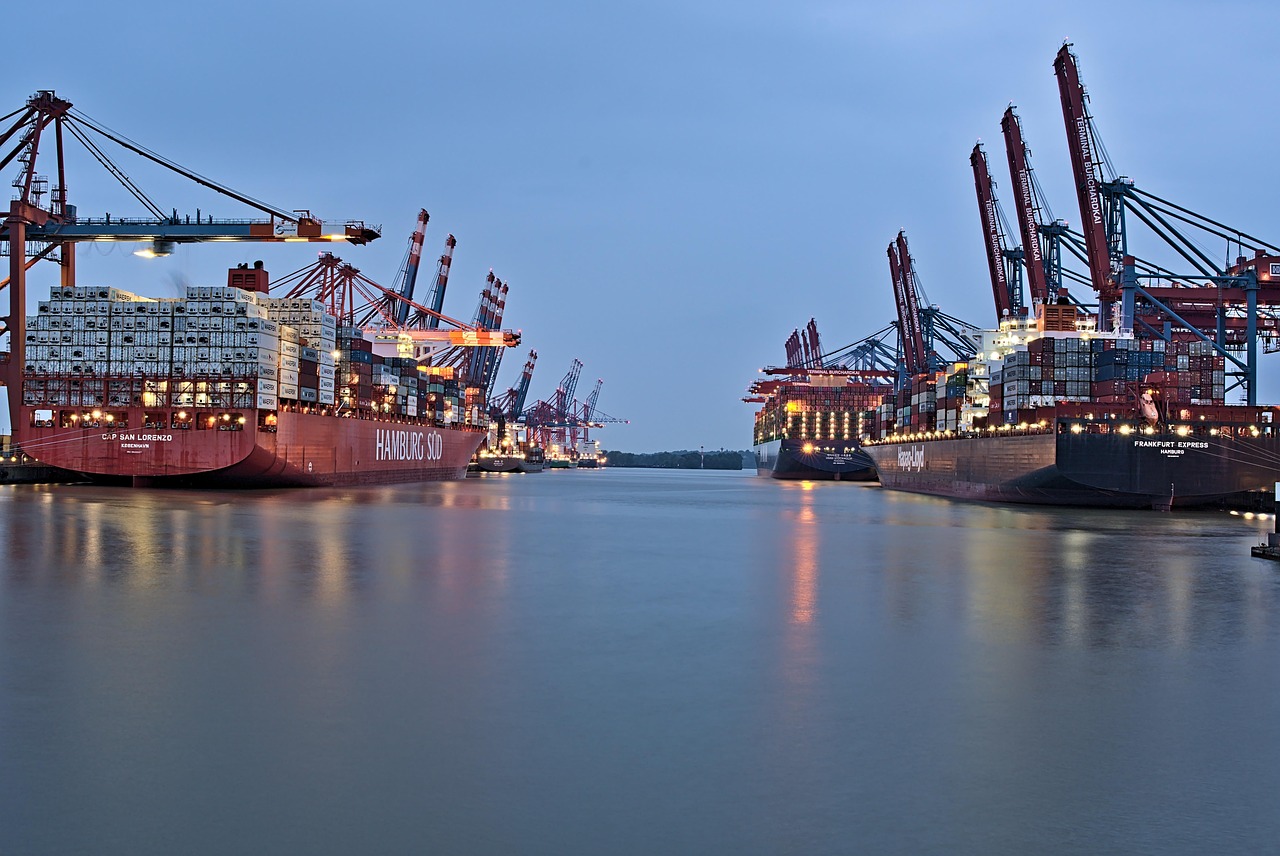
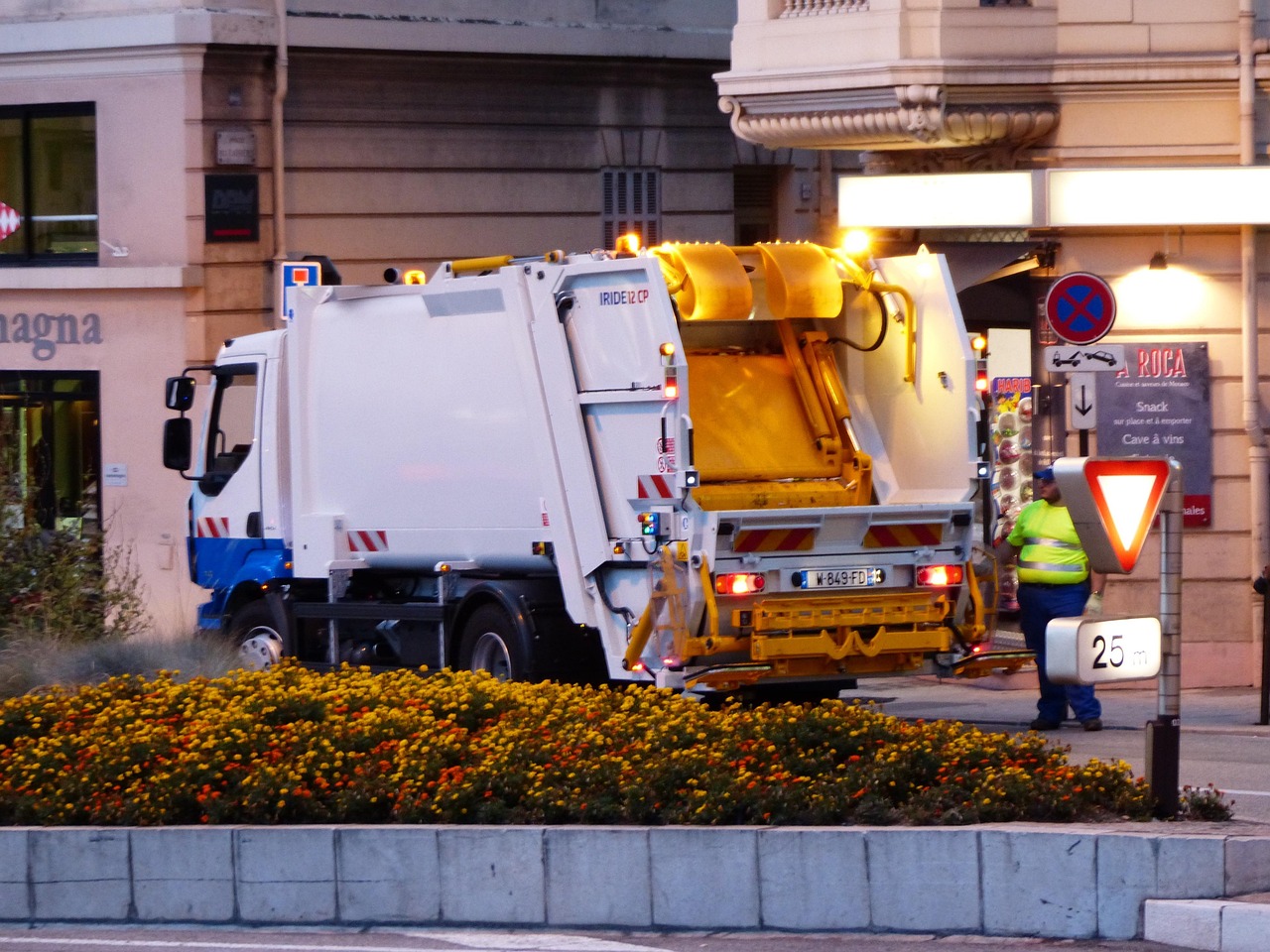
Let's take a transport entrepreneur as an example. They often offer various services, such as domestic and international transport, refrigerated transport, or logistics services. An analysis shows that refrigerated transport, although it accounts for only 15 percent of revenue, generates almost half of the profit. This is because there is less competition and customers are willing to pay a higher price for this specialized service.
Tip: Analyze which products or services yield the highest returns. Stop or minimize activities that contribute little to profit, and focus on the profit generators.
It is important to take a critical look at the cost structure. Often there are cost items that are unnecessarily high or where you can save without compromising the quality of the product or service.
Common cost items in the transport sector:
• Fuel: One of the biggest expenses. By investing in fuel-efficient vehicles or route optimization, you can save significantly on this
• Personnel costs: Especially in sectors with a lot of competition, personnel costs are often high. Flexibility in the workforce can help reduce costs.
• Maintenance and repairs: By performing preventive maintenance, unexpected repairs and downtime can be prevented.
• Administration and overhead: Many administrative processes are not yet automated, resulting in the unnecessary loss of time and money.
Tip: Conduct an annual cost analysis and see where you can save without affecting the core business .
Not all customers are equally valuable. Some customers require a lot of time and attention but yield little profit. Other customers, however, are highly profitable and require relatively little effort. The transport entrepreneur in the example discovered that international customers from the pharmaceutical sector were much more profitable than local customers from the retail sector. The pharmaceutical sector pays faster, is less price-sensitive, and requires specialized services for which a higher rate can be charged.
Tip: Identify your most profitable customer groups and focus your marketing and sales efforts on them.
In a highly competitive market, it is important to position yourself well. Not every marketing channel is equally effective. Effective channels in the transport sector, for example:
• LinkedIn and business networks: Many clients search for reliable partners via LinkedIn.
• References and word-of-mouth: Satisfied customers are the best ambassadors.
• Specialized trade fairs and events: Here you can get in direct contact with potential customers from your target group.
Tip: Focus your marketing budget on the channels that yield the most results and measure the results of your campaigns.
Personnel costs are often one of the largest items on the balance sheet. A healthy ratio between personnel costs and revenue is essential for a healthy profit margin.
In the transport sector, personnel costs often amount to around 40-50 percent of turnover. For the entrepreneur in the example, this was even 55 percent, partly due to the use of many temporary workers during peak periods. By investing in flexible staffing and automation, this percentage could be reduced.
Tip: Monitor the ratio between personnel costs and revenue. Invest in automation and flexible staffing to reduce costs.
Hard work is important, but it is no guarantee of success. By critically examining your products, costs, customer groups, marketing channels, and personnel costs, you as an entrepreneur can generate more profit with less stress. Analyze your business processes, focus on the profit generators, and invest in smart solutions. This way, just like the transport entrepreneur in the example, you can stay afloat and even grow despite tight margins.
Entrepreneurship is a challenge, but with the right focus and dedication, you can make a difference. Hats off to all entrepreneurs who bring out the best in themselves every day, and hopefully, this blog helps you to do business smarter and get a higher return on your efforts.


.jpg)