
While the call for a comprehensive AI strategy in companies is growing louder, the true value of the technology often lies in the details. The selective use of AI; that is, its targeted application in specific areas of the business; often yields rapid results and paves the way for a larger, more complex strategy. Using examples from HR, production and production planning, logistics, and negotiation training, we demonstrate how artificial intelligence (AI) can be integrated into companies to enhance both the efficiency and quality of processes.
HR: Greater Precision in Recruiting and Employee Development
In the HR sector, digitalization is often about reducing workload and increasing precision. For instance, AI-supported CV screening enables targeted pre-selection of applications, allowing HR teams to focus on the most promising talent. Chatbots also offer automated yet rapid communication with candidates. Furthermore, predictive analytics allows for the optimal deployment of temporary workers to be determined in advance, an advantage in times of dynamic market demands. The onboarding of new employees is also made more efficient through personalized training and document management, ensuring that the onboarding process proceeds seamlessly and without administrative hurdles.
Production and Production Planning: Predictive Maintenance and optimised Processes
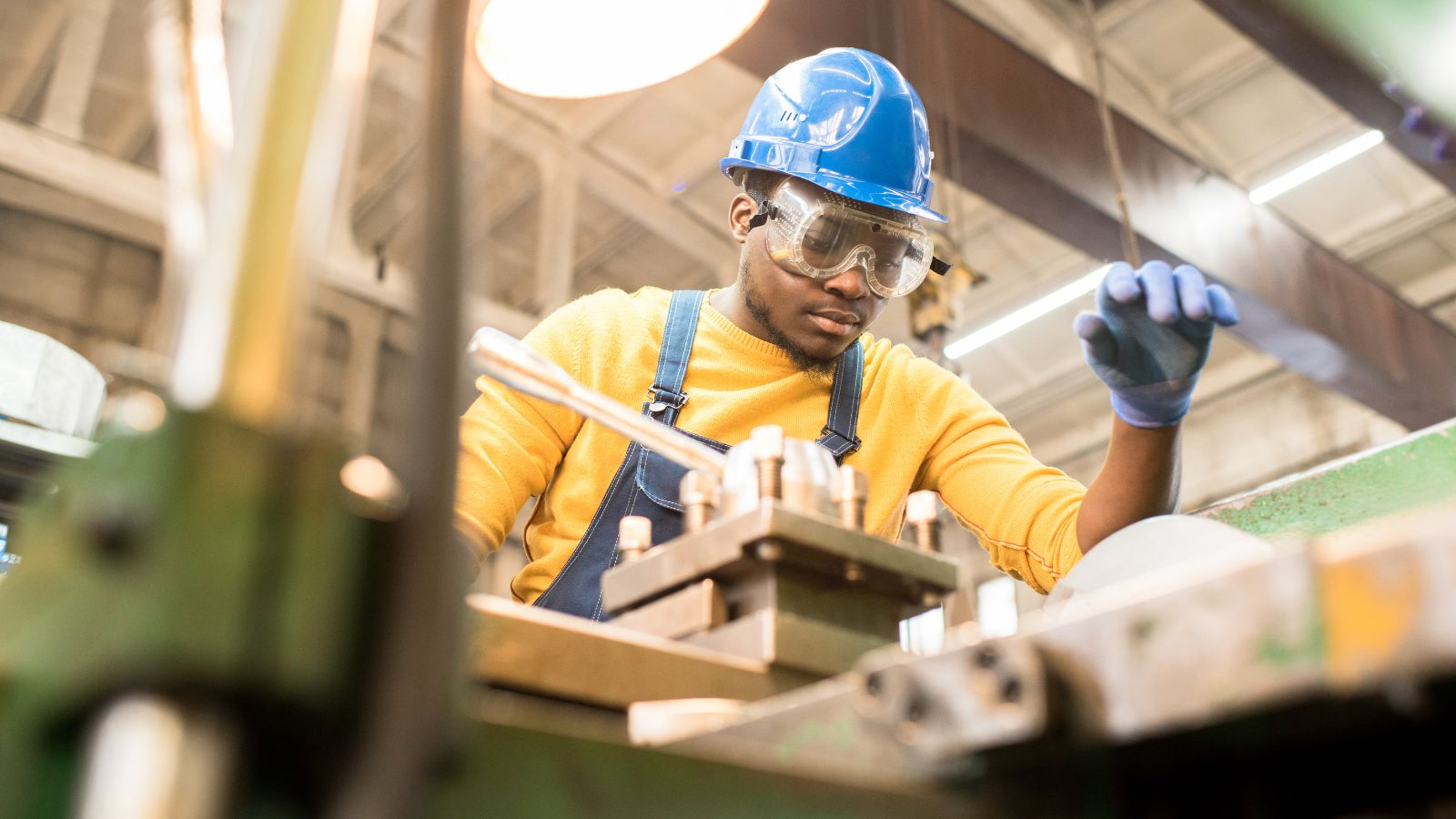
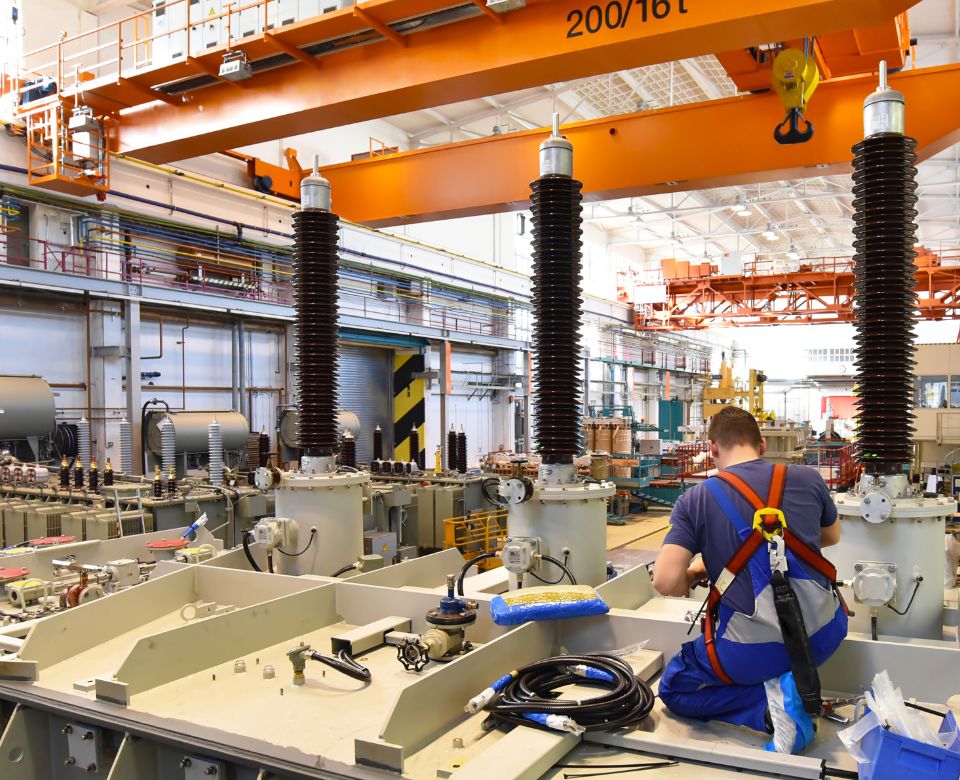
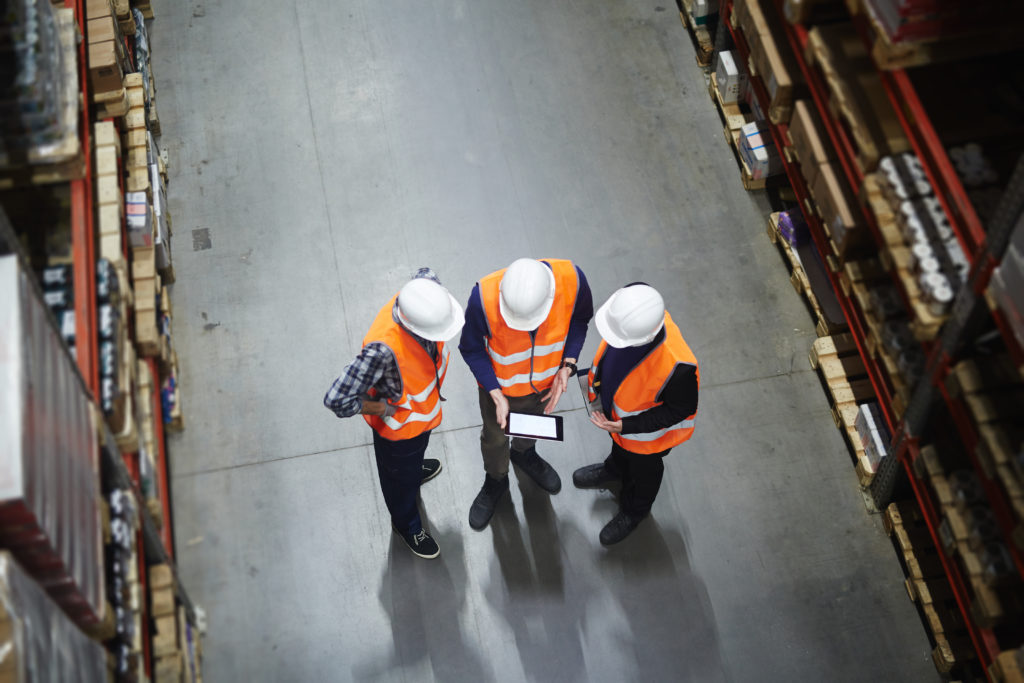
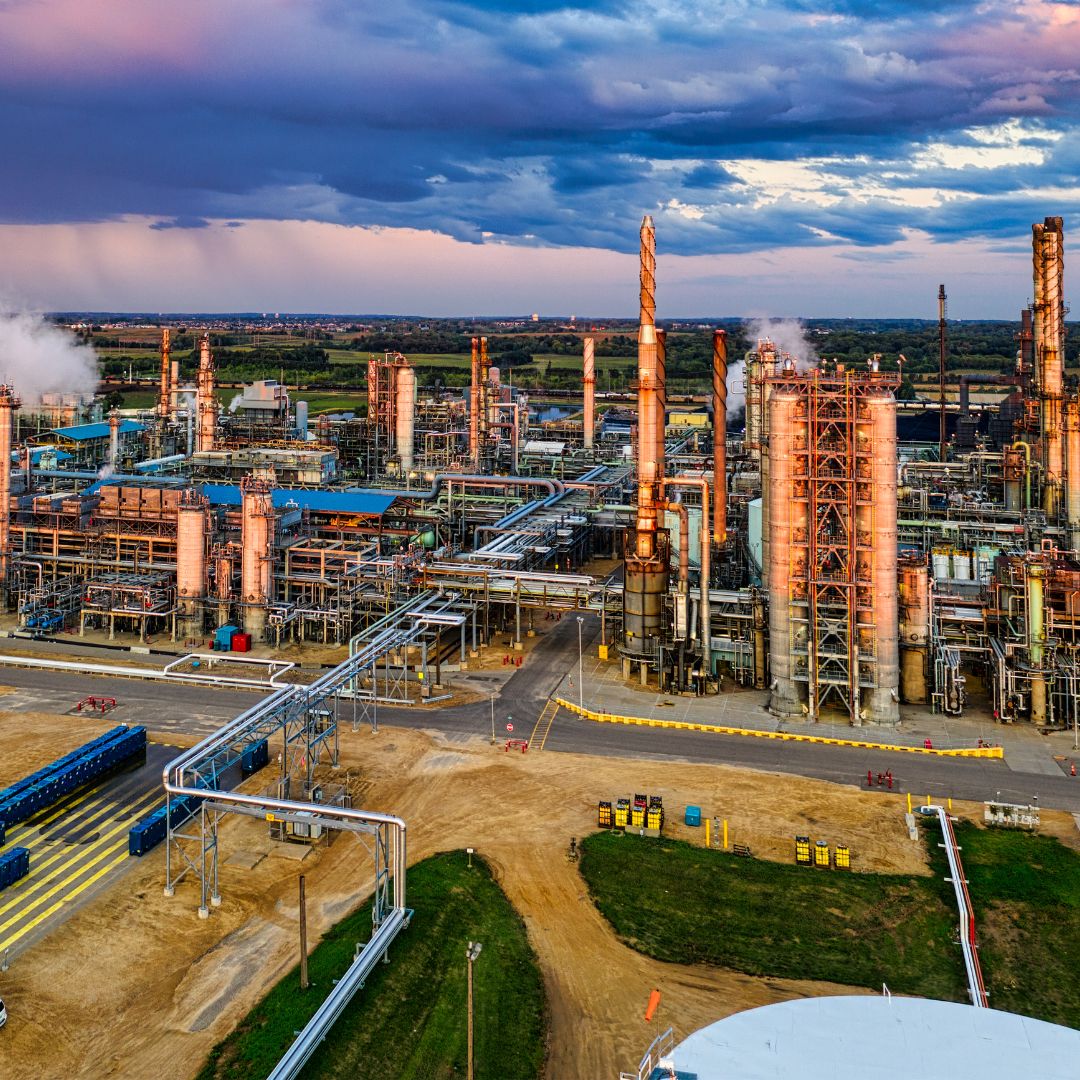
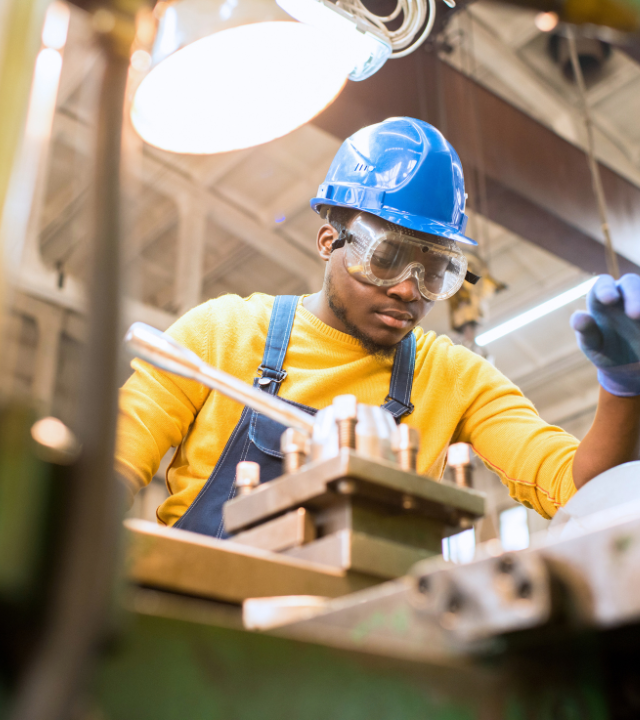
In industrial production, AI-driven predictive maintenance leads to significant savings: machine and equipment failures can be preventively avoided through early fault detection. This not only minimises downtime but also increases productivity. In production planning, AI enables more precise control of processes through the analysis of large volumes of data - resources can be utilised optimally, bottlenecks identified in a timely manner, and planned deadlines better met. AI-supported analyses can also be implemented in factory layout to optimise routing and the arrangement of machines, thereby reducing production times and internal transport costs.
Logistics: AI to Address the Skilled labour Shortage
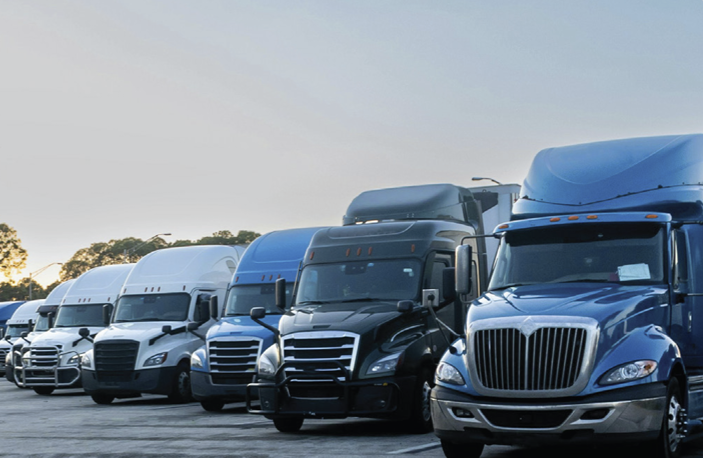
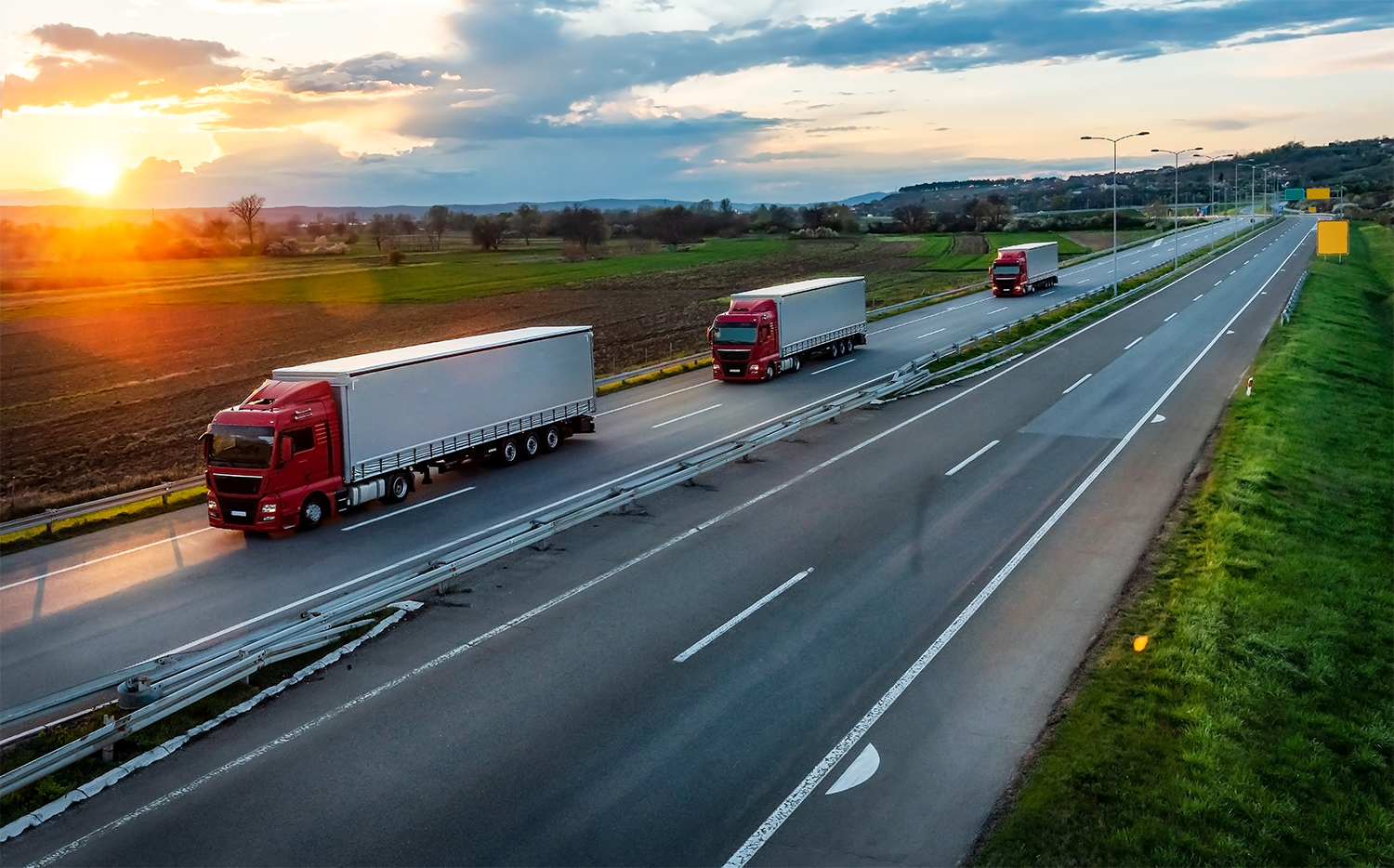
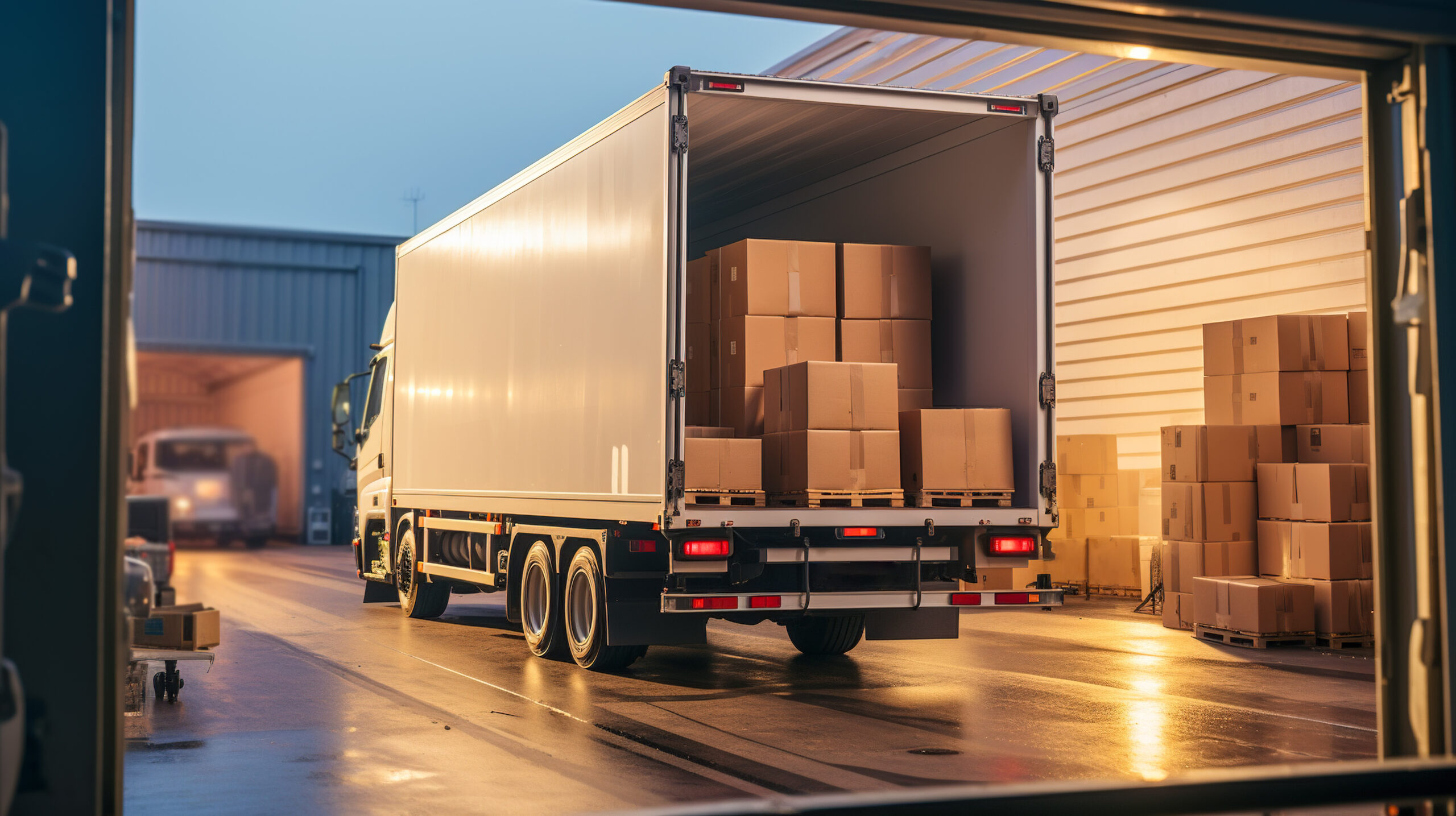
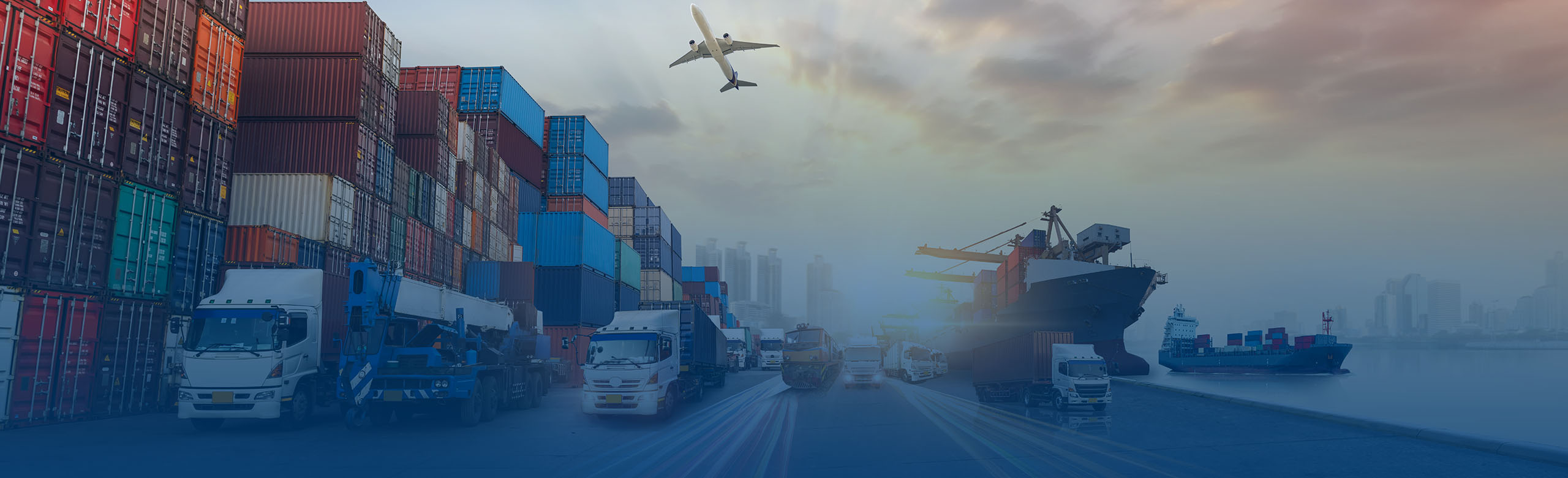
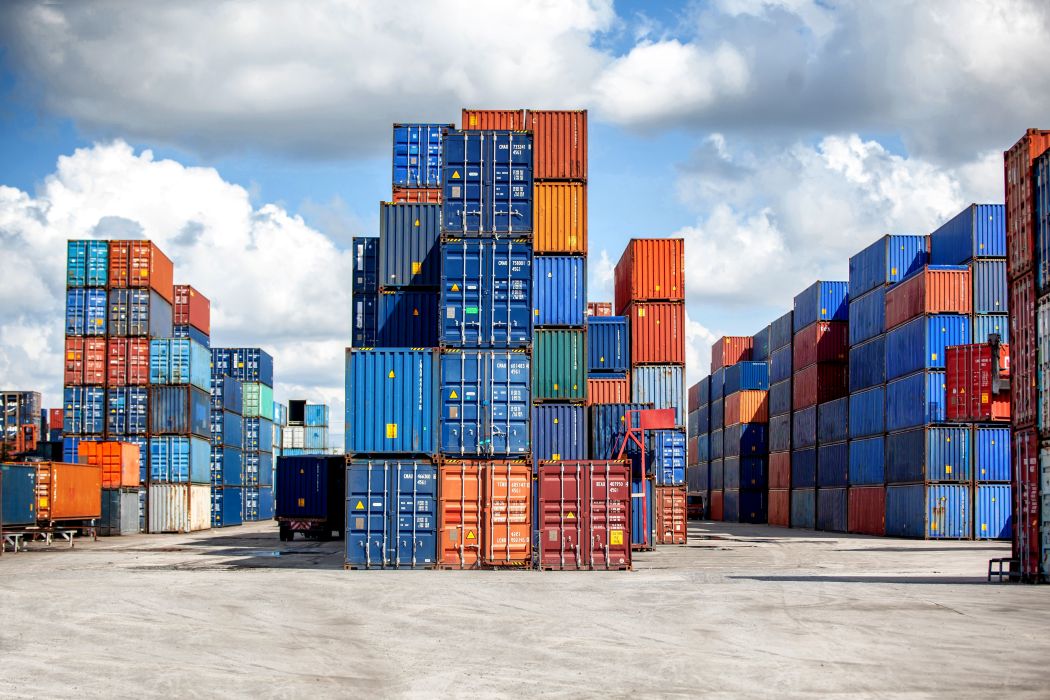
The shortage of skilled workers in logistics calls for efficient alternatives; AI offers a solution here. Modern transport management systems (TMS), supported by artificial intelligence, automate routine tasks while enabling optimised route planning. Dispatchers, who are in short supply on the labour market, benefit from the workload reduction provided by real-time tracking and monitoring, as well as from the precise forecasting of transport requirements, which has a positive impact on efficiency and the reduction of CO₂ emissions. At the same time, AI can use machine learning and data mining to detect anomalies in the supply chain and automatically resolve disruptions, a valuable tool in times of scarce resources.
Negotiation Training: Realistic Simulation Through AI
In the field of negotiation training, artificial intelligence can also create added value in specific areas. By using AI-supported simulation programs, realistic negotiation scenarios can be created in which participants can gradually improve their skills. Automated feedback mechanisms and real-time analyses help learners adapt their negotiation style and act more effectively. This targeted application makes it possible to hone skills in a practical and continuous manner without the need for time-consuming in-person sessions.
Sustainable Efficiency Gains Through Selective AI Deployment
The selective applications of AI in companies demonstrate that large-scale strategies are not strictly necessary to achieve concrete improvements. Whether in human resources, production planning, or logistics - AI technologies offer specific tools in all areas that can be flexibly integrated into existing processes. Mid-sized companies in particular benefit from these tailored solutions, which minimise investment risks while strengthening competitiveness.
Contact us and we will help you implement AI solutions.