


Tensions in the Middle East and their impact on business costs
Published on LinkedIn by Carlos Franco on March 11, 2026
Energy, logistics, and costs: what companies should review now
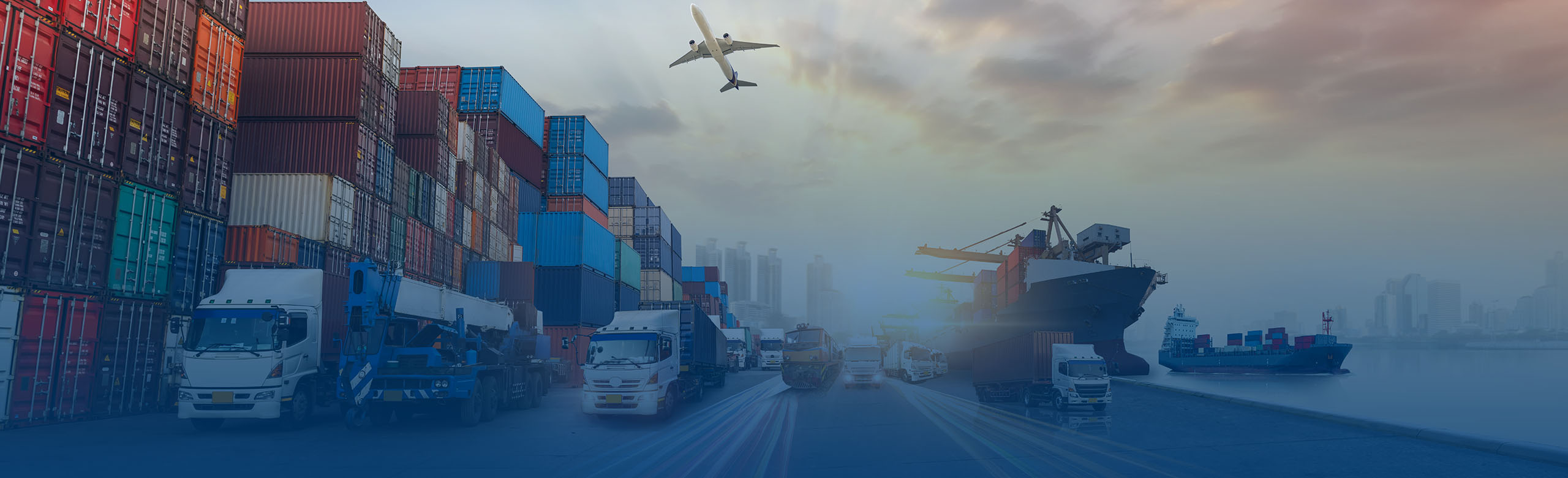
Recent tensions in the Middle East have once again triggered two of the most sensitive sectors of the global economy: energy and maritime transport.
Following the U.S. and Israeli attacks on Iran in late February, markets reacted swiftly. Oil prices once again surpassed $100 per barrel, and some shipping routes in the Gulf began to show signs of strain.
In just a few days, a geopolitical episode once again spilled over into the economic arena.
This is not a new phenomenon.
In recent years, several events have shown how geopolitical shocks quickly end up affecting business costs.
The war in Ukraine triggered a sharp rise in energy prices across Europe. The conflict between Israel and Palestine once again strained maritime transport on several strategic routes.
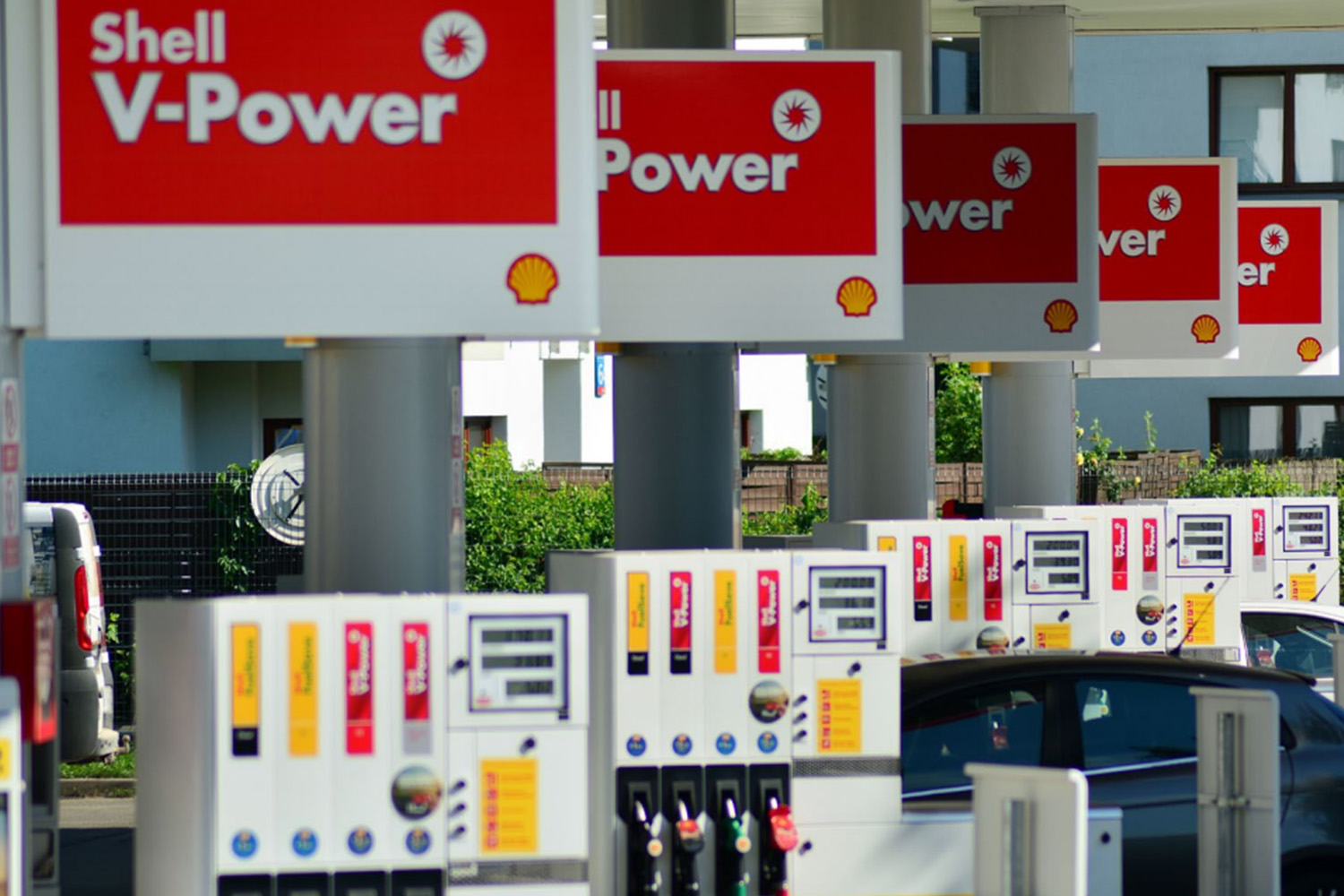
Now, tensions in the Middle East are once again putting pressure on two critical variables for many companies: energy and logistics.
Energy and transportation: two particularly sensitive sectors
In the first few days of the recent surge, several movements have already been observed in the markets:
- Rising oil prices
- Increased volatility in energy commodities
- Growing uncertainty regarding shipping routes in the Gulf
The Strait of Hormuz, through which approximately one-fifth of the world’s oil passes, is once again taking centre stage.
When these routes or infrastructure are perceived as vulnerable, the impact is often quickly felt in energy costs and global transportation.
For many companies, this translates into additional pressure on margins that have already been tight in recent years.

A recurring pattern
Recent years have shown that these types of external shocks occur repeatedly.
Geopolitical tensions, regional conflicts, or logistical disruptions can rapidly alter the cost of certain key categories.
The problem is that many of these variables, such as energy prices or maritime transport, are difficult to control once the shock is already underway.
Companies cannot decide how much oil will cost or what will happen to a strategic shipping route.
Where companies can take action
Precisely for this reason, many companies take advantage of these types of situations to review their cost structure in greater detail.
When certain categories such as energy or transportation become more difficult to manage, it becomes even more important to analyse other areas where there is room for optimisation.
In many cases, opportunities arise in categories that traditionally receive less attention:
- • insurance
- • telecommunications
- • certain utilities
- • maintenance contracts or facility management
In these areas, small inefficiencies that have accumulated over the years can have a significant impact on a company’s overall cost structure.
Reviewing Costs in Volatile Environments
A company’s cost structure does not depend solely on internal decisions.
External factors such as energy, transportation, or raw materials can change rapidly and disrupt the economic balance of many sectors.
That is why, in volatile environments like the current one, a detailed review of the various expense categories goes beyond mere operational optimisation.
That is why, in volatile environments like the current one, thoroughly reviewing the various categories of expenditure is no longer merely a matter of operational optimisation.
It begins to become a strategic decision.
And in many cases, the best time to do so is precisely when the environment serves as a reminder of just how sensitive certain critical costs can be.












.jpg)
.jpg)
.jpg)
.jpg)
.jpg)