


Margins Under Pressure: The New Era of Professional Services Economics
Professional services firms are navigating an increasingly complex economic environment. Rising costs, talent scarcity, and client pressure on fees are compressing margins across consulting, legal, accounting, and advisory sectors. The firms that will emerge stronger are those that address their cost base with the same rigour they apply to client engagements.
The Margin Squeeze in Professional Services
The economics of professional services have shifted materially over the past three years. Salary inflation, particularly for experienced hires, has outpaced fee rate increases in most markets. Support function costs — technology, real estate, compliance, and back-office operations — have risen as firms invest in capability and remote work infrastructure.
At the same time, clients are more sophisticated buyers. Procurement involvement in professional services purchasing has increased significantly, bringing benchmarking pressure to engagements that were previously negotiated informally. The combined effect is a structural reduction in margin that is unlikely to reverse without deliberate intervention.
Where the Opportunities Sit
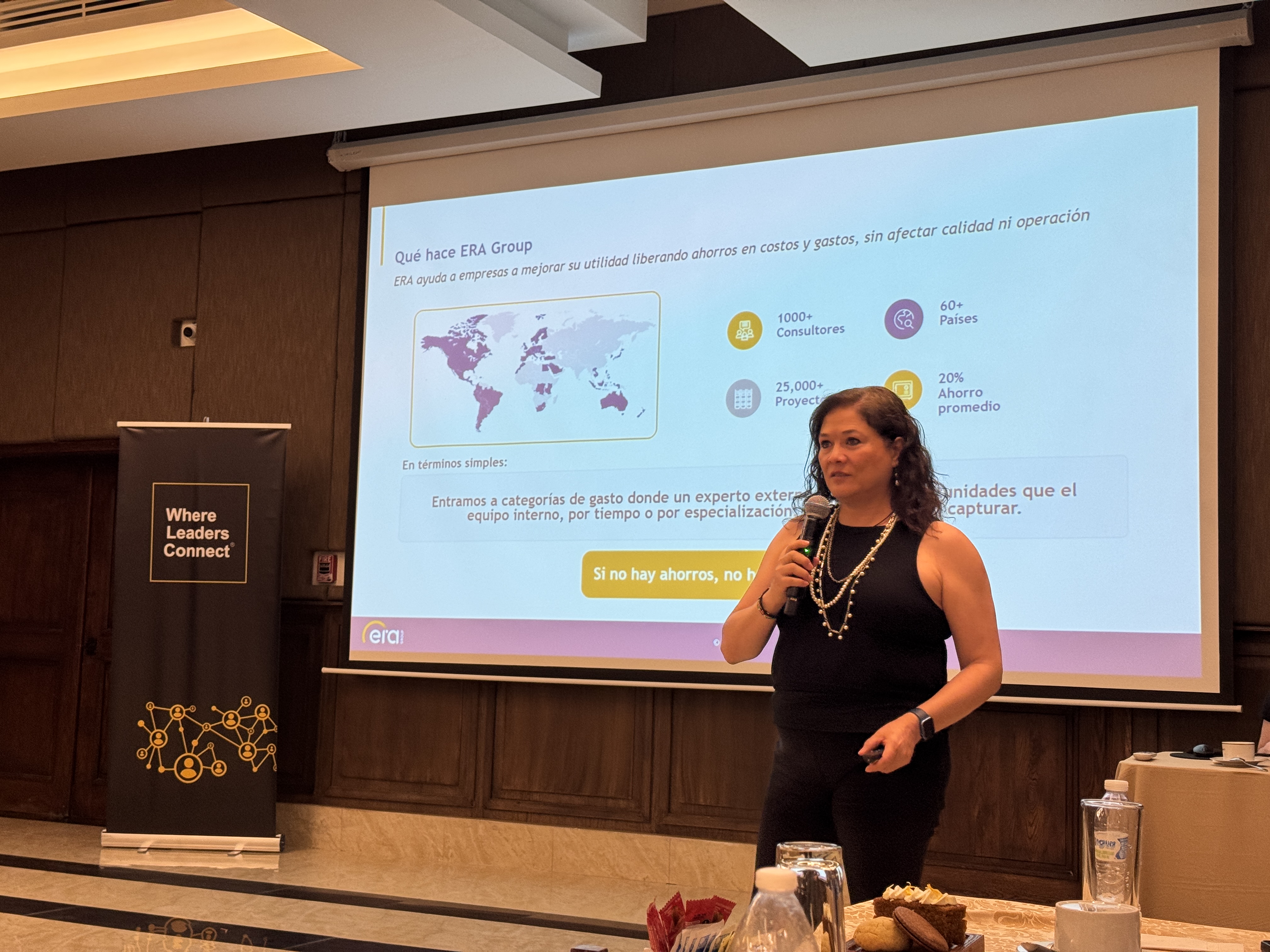
ERA Group works with professional services firms to identify and deliver savings in the indirect cost categories that typically receive insufficient attention. These include facilities and real estate, where hybrid working has reduced utilisation but not always reduced costs; IT and software, where licensing arrangements often reflect historical usage patterns rather than current needs; print and document management, where costs have often not declined in proportion to volume reduction; and HR and recruitment, where agency dependency can be significantly reduced through alternative sourcing models.
In each of these areas, the approach is the same: benchmark current spend against market, identify the gap, and deliver contracted savings. Our model is contingency-based — we are paid from the savings we find.
A Note on Procurement in Professional Services
There is sometimes a cultural resistance in professional services to rigorous procurement of the firm’s own indirect spend. The assumption is that professionals who advise clients on cost optimisation should be able to manage their own costs effectively. In practice, internal procurement functions in professional services firms are often under-resourced relative to the scale and complexity of the spend they manage.
External specialist support, applied selectively to high-value categories, consistently delivers results that internal teams — however capable — cannot achieve through normal operating processes. The evidence for this is consistent across our client base.












.jpg)
.jpg)
.jpg)
.jpg)
.jpg)