
Maximising Warehouse Efficiency
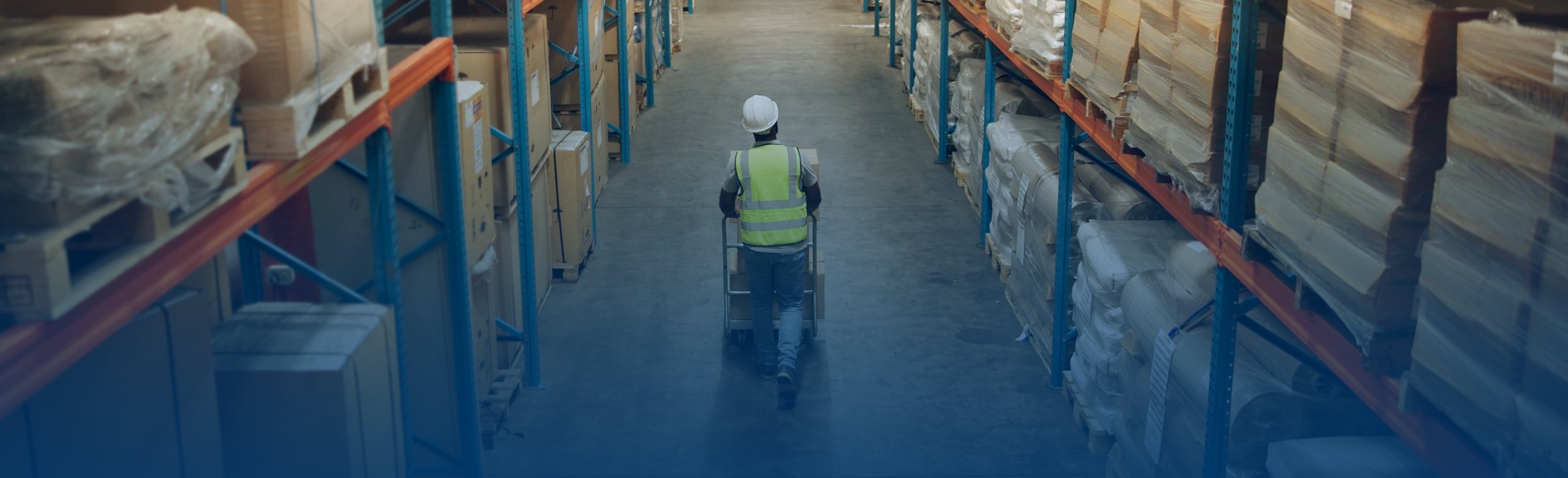
In today’s competitive environment, warehouse and distribution operations face mounting pressure to do more with less. Rising labour costs, increasing customer expectations for speed and accuracy, and the complexity of managing multiple channels simultaneously have made warehouse efficiency a strategic priority for many organisations.
ERA Group works with clients across retail, manufacturing, and logistics sectors to identify and realise savings in warehouse operations. Our experience across hundreds of engagements reveals consistent patterns of opportunity that many organisations are not yet capitalising on.
The Labour Cost Challenge
Labour typically represents 60–70% of total warehouse operating costs, making it the primary focus of any efficiency initiative. The combination of National Living Wage increases, tight labour markets in many regions, and rising agency costs has significantly increased the cost of running warehouse operations in the UK and across Europe.
However, labour cost reduction is not simply about headcount. It is about how labour is deployed, managed, and supplemented by technology. ERA Group consistently finds that operational redesign — including improved process sequencing, better workforce scheduling, and targeted automation — delivers labour efficiency improvements of 15–25% without headcount reduction.
Technology and Automation
Warehouse automation technologies have become significantly more accessible and cost-effective in recent years. Autonomous mobile robots (AMRs) for goods-to-person picking, automated conveyor and sortation systems, and warehouse management system (WMS) optimisation are all delivering measurable returns across a range of operation sizes and product types.
The procurement of automation technology is itself a specialist activity. Vendor selection, commercial negotiation, and contract structuring for automation projects require expertise that most internal procurement teams do not possess. ERA Group supports clients through this process, ensuring that automation investments are structured to deliver contracted returns.
Indirect Procurement in Warehouse Operations
Beyond labour and automation, warehouses consume significant quantities of indirect goods and services: packaging materials, handling equipment, maintenance services, utilities, and security. These categories are often managed informally, with supplier relationships established historically rather than through competitive procurement.
ERA Group’s systematic approach to indirect procurement in warehouse environments consistently identifies 15–20% savings opportunities in these categories. Our contingency-based model means that clients only pay when savings are delivered.









.jpg)
.jpg)
.jpg)
.jpg)
.jpg)