All posts
Cost savings of millions of euros: why sustainable procurement and smart production are your next step

Sustainable procurement and smart manufacturing are not buzzwords, but strategic choices that determine who will lead the way (and who will autumn behind). In his expert blog, Ronald Batenburg explains how to conduct sustainable procurement as a company.
Europe stands at a crossroads. The industrial base has shrunk by a quarter between 2000 and 2024. Dependence on suppliers outside Europe and fossil fuels makes us vulnerable to crises. Therefore, with the Clean Industrial Deal, the European Commission is fully committed to reindustrialization, greening, and cost optimisation.
In addition, pressure on raw materials is increasing: freshwater reserves are dwindling, forests are disappearing, and raw materials are becoming scarcer. This poses a direct threat to continuity. At the same time, innovation opens up new markets: smart, sustainable solutions attract new customers and make companies less dependent on volatile prices and imports.
Sustainable procurement means making conscious choices throughout the entire chain: from material selection and transport to working conditions. For example, since 2020, Philips has only purchased wood with an FSC or PEFC label for packaging and requires suppliers to participate in the Supplier Sustainability programme . The result: CO₂ reduction, lower waste costs, and stronger supplier relationships.
Interface (a manufacturer of carpet tiles) uses 100 percent recycled yarn and even develops carbon-negative products. With this, they have managed to attract major international clients such as Google and ING.
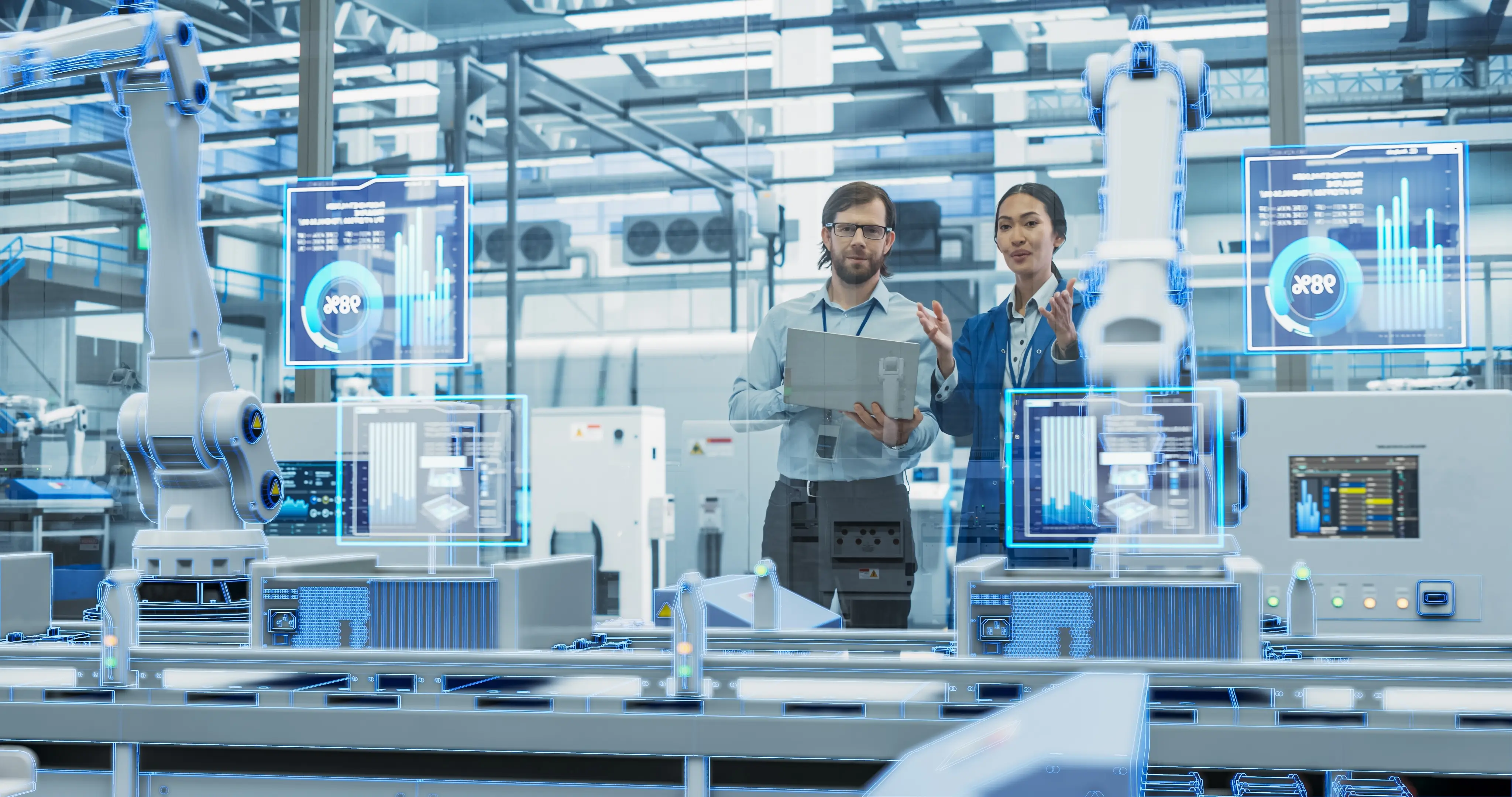
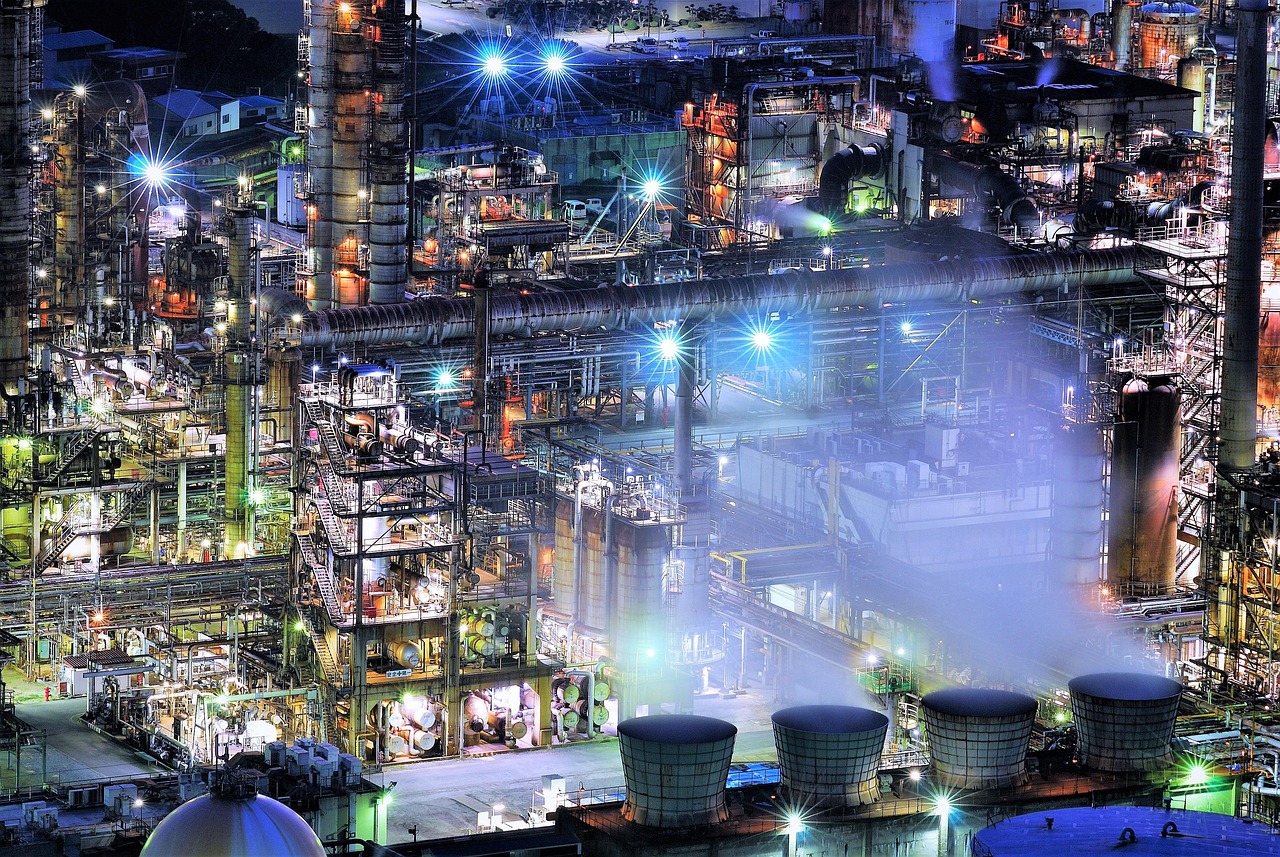
Smart manufacturing revolves around technology, data, and automation to work more efficiently, agilely, and sustainably. Think of Industry 5.0: the use of AI, IoT, and robotics to optimise processes, in combination with human expertise and societal value creation.
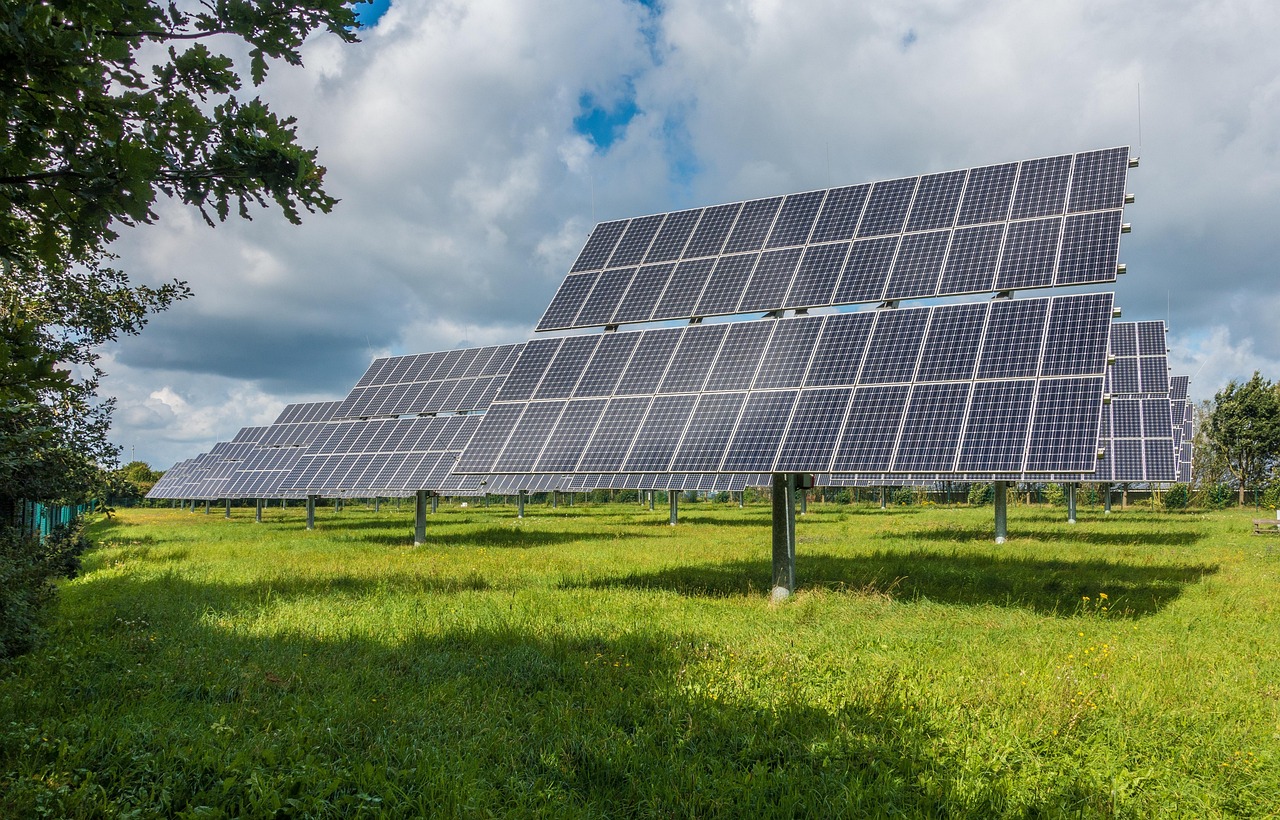
Energy efficiency also plays a major role, for example by switching to solar and wind energy or renewable heat sources. Localization (bringing production closer to the market) reduces risks and shortens delivery times. ASML uses digital twins and IoT sensors for preventive maintenance, which reduces downtime and limits waste. Unilever's ice cream factory in Hellendoorn runs partly on renewable heat and uses smart software to achieve 15 percent less waste.
Companies that focus on sustainable procurement and smart production visibly benefit from their efforts. For instance, the redesign of packaging and the use of more sustainable materials at Philips led to substantial cost savings of millions of euros. This transition also opens doors commercially: thanks to its sustainable approach, Interface was able to gain access to international tenders that competitors could not meet.
In addition, relocating production to closer locations makes companies less dependent on complex, global supply chains. Shorter delivery times and reduced vulnerability to disruptions increase resilience to crises. And let alone: organizations that demonstrably operate sustainably build a strong employer brand and are more likely to attract young, motivated talent.
However, the path to sustainable procurement and production is not without challenges. Significant initial investments in technology, R&D, and certifications are often required. Moreover, in many sectors, it is difficult to obtain reliable data from the entire chain, meaning that measuring actual impact remains complex.
In addition, companies have to deal with complex and diverse laws and regulations that can vary significantly from country to country. The uncertainty regarding the payback period of innovative solutions also makes some organizations hesit
For some companies, the focus remains strongly on short-term results, making long-term investments difficult to justify. Furthermore, there is often a lack of knowledge regarding available subsidies and programs such as Horizon Europe or the Innovation Fund . Sometimes there is also a fear that sustainability efforts will disrupt ongoing processes.
At the same time, pressure from customers and supply chain partners to become more sustainable is increasing. Governments offer generous subsidies and favourable financing options, making the investment picture more attractive. Moreover, acting now often yields a competitive advantage in tenders and export markets.
Experts compare this moment to the First Industrial Revolution, but with one crucial difference: now it is about growth in balance with the planet. Companies that now opt for sustainable sourcing and smart production are building a robust, future-proof, and profitable enterprise.
The question, therefore, is not whether the industry changes, but how quickly and smartly you move along with it. Sustainable procurement and smart production are not luxury projects, but the key to future-proof business.
Companies that start today will be leaders tomorrow: more efficient, more profitable, and more attractive to customers and investors. The choice is yours: Will you cling to old patterns, or set course for a cleaner, smarter, and more resilient future?
1. Map your current impact – measure energy consumption, material flows, and CO₂ emissions throughout the entire chain.
2. Choose a feasible quick win – for example, switching to recycled packaging material or an energy-saving measure.
3. Involve suppliers and customers – formulate joint sustainability goals and agreements on monitoring.
4. Make use of subsidies – consider Horizon Europe , SDE++ , and regional innovation funds.
5. Start small, scale up quickly – start with a pilot, learn, and roll out successful measures broadly.
Tip: Schedule an internal session within 30 days to review these steps and decide tomorrow what to start with.


.jpg)