


No items found.
No items found.
No items found.
All articles

Electrifying the last mile in Central America

authors

Rafael Cuestas Rölz
No items found.

Content

Share this article

I will be the URL to copy

whatsapp

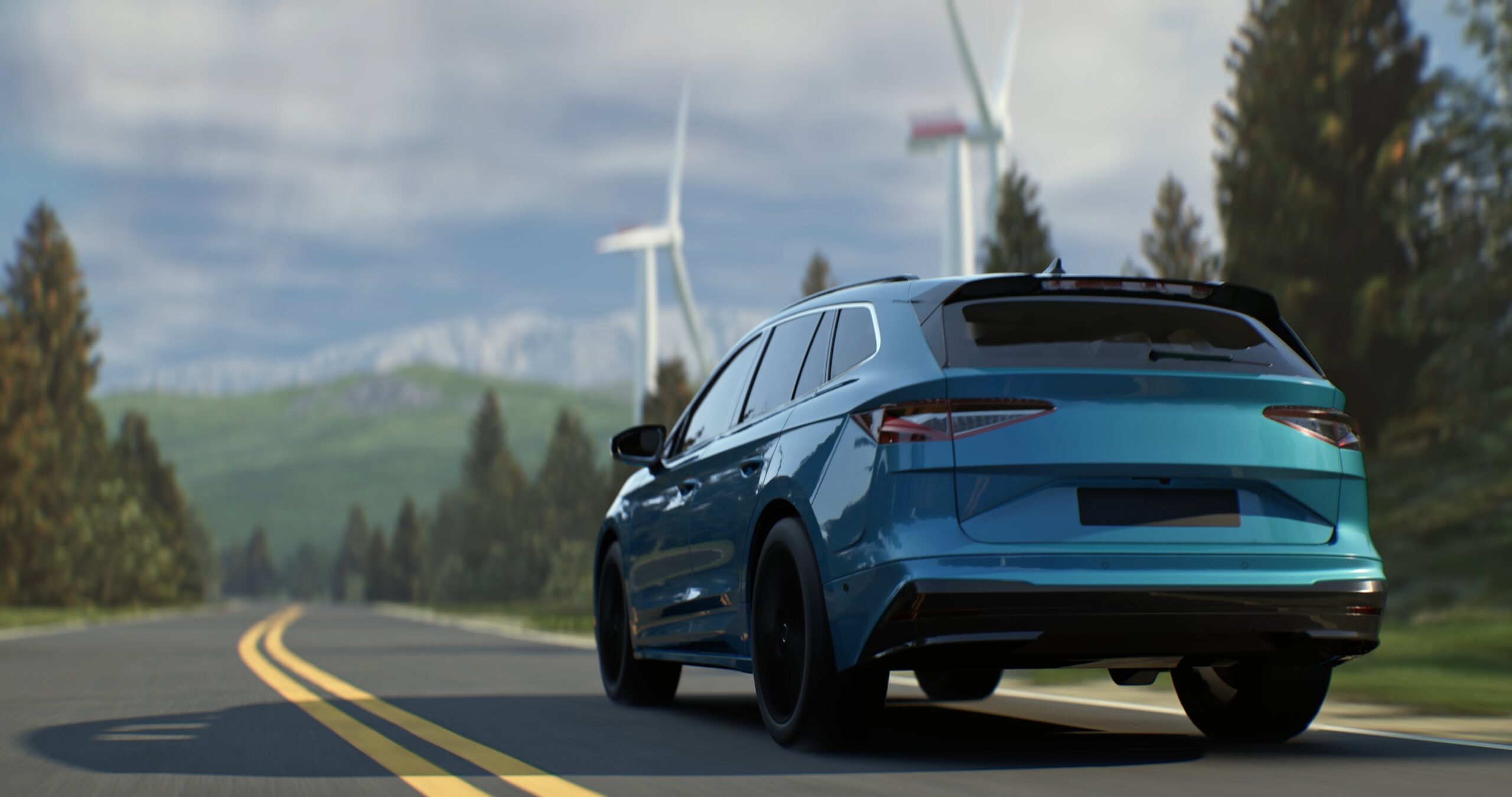
Convenience, Risks, and Opportunities for Corporate Fleets

The electrification of last-mile fleets in Central America is now an economically justifiable decision on urban and peri-urban routes with predictable daily routes and a return to base. The overall benefits (lower cost per km, reduced maintenance, improved ESG, and driving experience) can outweigh the challenges (initial CAPEX, charging infrastructure, operational management, insurance, and model availability in certain niches). The key is not “all or nothing,” but sequencing the change with measurable pilots, prioritizing countries/cities with better conditions, and designing the operation to “charge when possible” (home, base, public, DC in corridors), rather than “refueling when needed.”

Our recommendation is a phased rollout: 90–120-day pilots, TCO and carbon metrics, energy agreements, and charging SLAs; followed by scaling in waves with a focus on short routes (<150–200 km/day), night shifts, and hubs with available power.

Why now?

  • Fuel volatility: the price differential compared to electricity rates (especially off-peak) favors vans and light trucks for last-mile deliveries with a return to the depot.
  • Maintenance: fewer moving parts (no oil/filter changes), longer-lasting brakes due to regeneration, higher mechanical availability.
  • Customer and brand: quieter, lower-emission deliveries, valuable for retail chains and brands with ESG goals.
  • Usability: 99% of car trips are under ~160 km (100 miles), within the range of most current BEVs; with overnight charging, range anxiety is rarely an operational barrier in last-mile delivery.

Advantages, disadvantages, and risks (fleet perspective)

Advantages

  • TCO: lower cost per km when charging at the depot/home during off-peak hours; fewer scheduled maintenance visits.
  • Availability: fewer stops at the repair shop, more effective delivery hours.
  • Driving experience: instant torque, smoother and quieter driving; positive impact on safety and driver fatigue.
  • ESG and tenders: reduced emissions and noise open doors to contracts with “green” requirements.

Disadvantages / risks to manage

  • CAPEX: higher purchase price in some segments (though declining).
  • Infrastructure: sizing contracted power, AC points at the base (and in homes where applicable) and DC only for critical routes.
  • Insurance and residual values: policies (battery) and residual values require specific technical negotiation.
  • Operation: route planning and charging windows; driver training; monitoring of SLA for charging and uptime of equipment.
  • Model availability: solid offering for vans and light trucks; more limited for heavy-duty vehicles or very intensive applications.

Conditions for success (operations first)

Charging instead of refueling.

A shift in mindset is key: structuring operations to charge whenever possible (home, workplace, public charging points, and DC for rapid top-ups en route) .

Fleet policy and associated processes.

  • Automatic reimbursement for home charging (where applicable), access to charging at company facilities, and, for extreme driving profiles, an ICE vehicle for vacations as a contingency option .
  • Telemetry and analytics from day one: duty cycles, kWh/100 km, battery degradation, idle time, and driving style.
  • Energy contracts: time-of-use rates and demand management to smooth out nighttime peaks.
  • Infrastructure SLA: availability (>98–99%), fault response, OCPP settlement, and electrical safety.

A phased implementation approach (informed by successful strategies in Central America).

Step 1 — Diagnosis and business case (2–4 weeks)

  • Route analysis (km/day, topography, windows), potential charging points, base power, risks.
  • Reference TCO matrix (capex, energy, maintenance, insurance, residual value, carbon).

Step 2 — Pilot (90–120 days)

  • 5–15 vehicles per prioritized country/city.
  • KPIs: cost per km, kWh/100 km, uptime, punctuality, charging incidents, customer complaints.
  • Quick wins: adjusting windows, charging locations, and driver training.
  • Governance: Implement a Pilot Project Management Office (PMO) with bi-weekly meetings.

Step 3 — Scaling in waves

  • Extend to short urban routes with return to base and AC overnight charging.
  • Introduce DC where the business model requires it (delivery times, commercial SLAs).
  • standardise SLAs with charging operators and energy contracts.

Note: Not every use case is optimal for BEVs today. Where infrastructure or usage prevents it, consider lower-emission alternative fuels (e.g., HVO, biofuels, gas) as a transitional step, while maintaining the strategic course toward BEVs.

Which models to prioritize and where (practical overview)

The regional market is dynamic, but there are already viable options for urban delivery (vans/light trucks): Maxus (eDeliver vans; T90EV pickup), BYD (T3, commercial options), JAC (EV light lorry), Foton (EV light lorry), and in some markets, Ford E-Transit. We recommend a multi-brand RFP with 5–7-year TCO criteria (including battery warranties based on energy delivered, spare parts availability, and certified service centers).

Key Risks and Mitigation

R1: Underinvestment in charging infrastructure → Technical sizing, phased rollout, agreements with utilities and operators; SLA of >98–99%.

R2: TCO does not meet targets → Pilot with “shadow TCO,” telemetry, continuous route and load optimisation.

R3: Insurance/warranties → Policies covering batteries and repair times; uptime contracts.

R4: Internal resistance → Training and internal ambassadors; start in countries/cities with higher acceptance, as suggested by the ERA paper (start step by step with pilots).

R5: Regulation and incentives → Prioritize markets with clear frameworks; plan the fleet to be profitable without incentives in the medium term.

Conclusion

The last mile in Central America already offers winning business cases for electric vehicles when operations, energy, and infrastructure are designed in an integrated manner. It’s not just about “buying vehicles”: it’s about reconfiguring processes, contracts, and operational culture.

The approach of measurable pilots and disciplined scaling reduces risks and accelerates returns. Where BEVs are not yet viable today, alternative fuels provide a bridge without losing strategic direction.

References from the ERA Group white paper used:

  • Mindset shift: “charge when you can” (home, workplace, public, DC).
  • Recommendation to proceed step by step and start with ambassadors and countries with higher acceptance.
  • Fleet policy practice: home charging, workplace charging, and ICE vehicles for vacations as a contingency.
  • Lower-emission transitional alternatives (HVO, biofuels, gas, hydrogen) when BEVs are not yet viable.


authors

Rafael Cuestas Rölz
No items found.

Associated Articles

You Might Also Like

News

Goals, tariffs, and technology: Three Supply Chain Pressures in 2026

News

Spanish investors have doubled their investment in oil and gas since the start of the conflict with Iran

News

Uncertainty is not context. It's cost

News

Procurement in 2026

News

The cost that no one sees

News

Five essential skills to become a successful leader.

News

Leadership is not control

News

The true cost of corporate sustainability

News

Market shifts attributable to Guatemala's new Competition Law

News

When the retail boom has already landed, but the cost journey continues to take its toll

News

Romnes AS enters into a cooperation agreement with ERA Group regarding cost analysis

News

Appraisal of Cost Architectures

News

Aspiring to Market Dominance in 2026?

News

Interview with our new partner: Arthur Dobma

News

Going green: Fast-food chains are focusing on sustainability

News

UK Named Best Country for Business in 2018

News

Artificial Intelligence Strategy in Procurement: Pragmatic Webinar Series for Key Decision-Makers

News

Webinar with Dominique Seux: his presentation in 6 key points

News

The Strategically Overlooked: The Latent Potential of Indirect Costs

News

Strategic Expansion of Executive Leadership: ERA Group DACH Strengthens Marketing and Franchise Recruitment

News

ERA Insights Newsletter 26/01 - Strategic Procurement

News

Going green: Fast-food chains are focusing on sustainability

News

UK Named Best Country for Business in 2018

News

The Evolution of Bricks and Mortar in Response to E-Commerce Retail

News

Teachers Spending Hundreds of their Own Money on Supplies

News

Southampton & Felixstowe Ports in box congestion crisis

News

‘Shrinkflation’ hits three big name brands

News

What is Professional Services Procurement and How Do You Ace It?

News

KFC Splits Supply Chain Management Between Two Companies

News

ERA expand to Dubai, UAE

News

Hotel rates rise strongly

News

The Temporal Progression Continued Unabated

News

Your "Just-in-Time" Strategy is Defunct

News

Foreign Exchange Dynamics in LATAM

News

Your 2026 Margin Projections

News

The Profitability Index

News

Evolution of oil and plastic raw material prices

News

Walter Raes becomes a partner at ERA Group

News

How to minimise the impact of rising lemon prices

News

The link between sustainability and cost optimisation is obvious

News

2025: An Overview of Costs, Complexity, and the Path to 2026

News

How we are adapting to the challenges of COVID-19

News

Electrify your fleet for a more sustainable world

News

Participation in Expoagua in Chile

News

Franklin Tucker and his team join the Chamber of Commerce; Industries and Agriculture of Panama

News

What energy savings could your company realise?⁣

News

Challenges and Opportunities in the Chilean Electricity Sector

News

Waste: the silent cost many companies continue to overlook⁣

News

Inadequately managed security poses a dual threat

News

Waste management as a strategic imperative

News

The perennial challenge of logistics in Latin America

News

The end of the 'era of cheapness'

News

Decline in maritime transport prices

News

Webinar summary: "New taxation for 2025: a revolution for your vehicle fleet"

News

Ports, railways and roads: the significant logistical advancement that Guatemala cannot defer

News

The impact of tariffs on geopolitics and the foundry industry is currently being planned

News

Czech manufacturer bets on traditional Artis ski brand

News

How Much Is Your Company Losing in MRO Management

News

The delay is not the problem. The problem lies in how that time is utilised.

News

The sea is the same for everyone; what changes is who is at the helm

News

Tariffs, Geopolitics, and Smelting: Why the Real Impact Is Not Reflected in the Price, but Rather in the Strategic Planning

News

Optimising energy use is like carrying an adaptor

News

Optimising for a normal day will not save you on a critical day

News

World Logistics Day: Why Companies Can No Longer Afford Reactive Logistics

News

Delivering tangible impact on our clients' operations

News

Costs, margins and opportunities: how Central American companies can thrive amidst uncertainty

News

Analysis of Guatemala's Trade Balance in 2024 and Outlook for 2025

News

ERA Group highlights four measures for companies to increase efficiency and resilience through water optimisation

News

Cost Management Barometer 2025: Strategic application for Latin America and Central America

News

Argentina Copper 2025

News

Belgium breathes new life into ERA Group in France

News

Feedback: the 2024 ERA Group conference as experienced by a new partner

News

Webinar summary: SMEs/SMIs – From risk management to insurance management

News

Feedback: the ERA Group Foundational Training as seen by Aïda Kamara

News

Webinar summary: "Happy CSRD: from constraint to strategic opportunity"

News

Webinar summary: “Insurance: knowing how to manage invisible risks”

News

Webinar summary: "Parcel delivery: understanding pricing structures and avoiding pitfalls"

News

Webinar summary: "The hidden costs of temporary work"

News

Webinar summary: "Controlling your electricity costs in the face of market uncertainty"

News

Modern energy in the factory of the future with the support of IIOT technologies

News

Triple victory for ERA Group at the 2025 Global Franchise Awards

News

How to avoid unhealthy dependence on IT suppliers

News

How to break free from unhealthy dependence on IT suppliers

News

Don't forget to consider savings

News

Ethanol Legislation: a stride towards sustainability or an unwarranted expenditure?

News

A New Trajectory for Food and Beverage Companies in Latin America in 2025

News

The digital payments revolution: a strategic enabler for growth in LATAM

News

Robotic process automation in the time of COVID-19

News

Trade conflicts have commenced

News

A Social Impact Report on your company also generates direct value for your customers

News

Participation in the 2nd edition of the Finance Transformation Summit

News

Executive Breakfast in Guatemala on Logistics: "The Era of Business Transformation"

News

Expert tips: the issue dedicated to cardboard packaging is now available!

News

How do global tensions and US monetary policy influence business costs in Guatemala?

News

Interview with Philip Declat (Country Manager Belgium) in Trends – ERA Group Belgium grows 10% per year

News

Scanning the future to reduce costs and foster growth: insights for contemporary leaders

News

Financing one year earlier than revolving credit

News

Yarak Yarak | New ERA Group partner since 04/2023

News

It's always been done this way

News

Greenwashing isn't just bad press

Obtain insights that propel your business.

Thank you! Your submission has been received.
An error occurred during form submission.