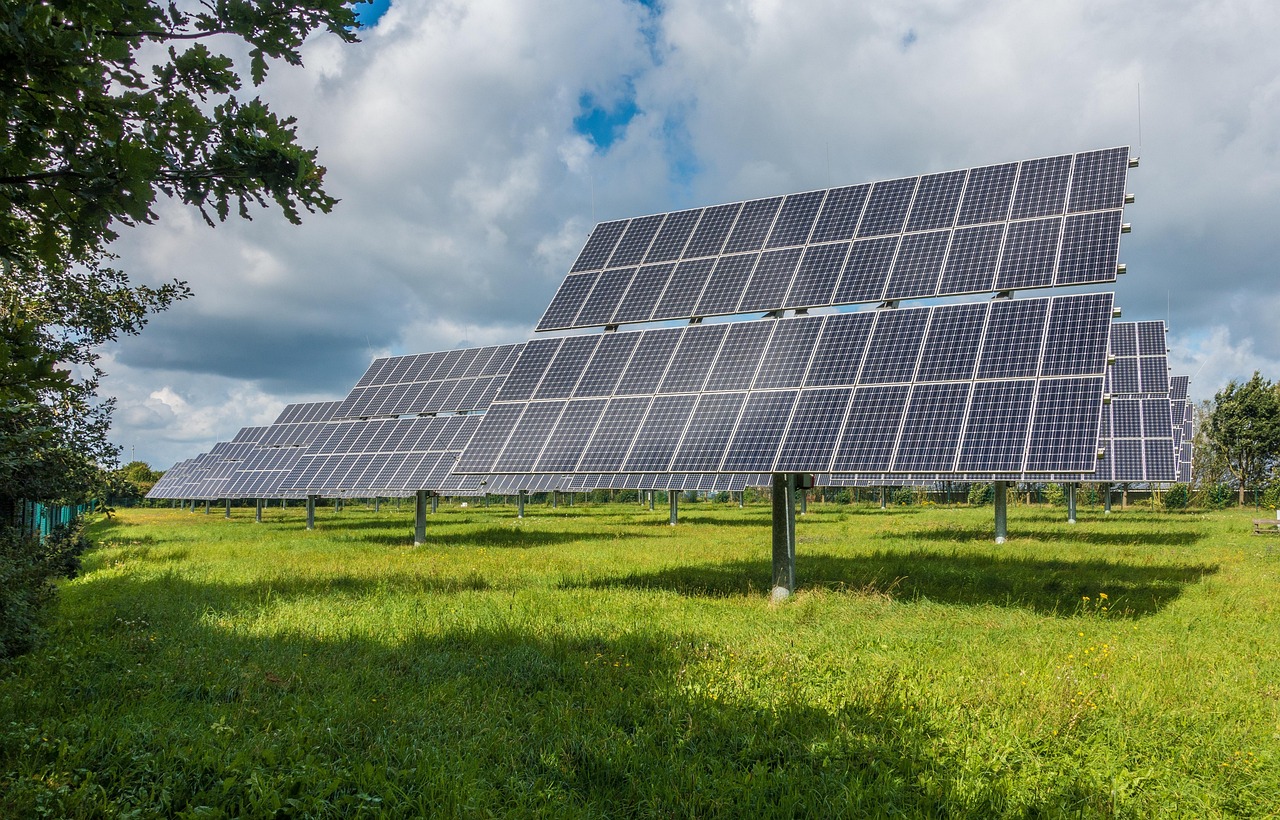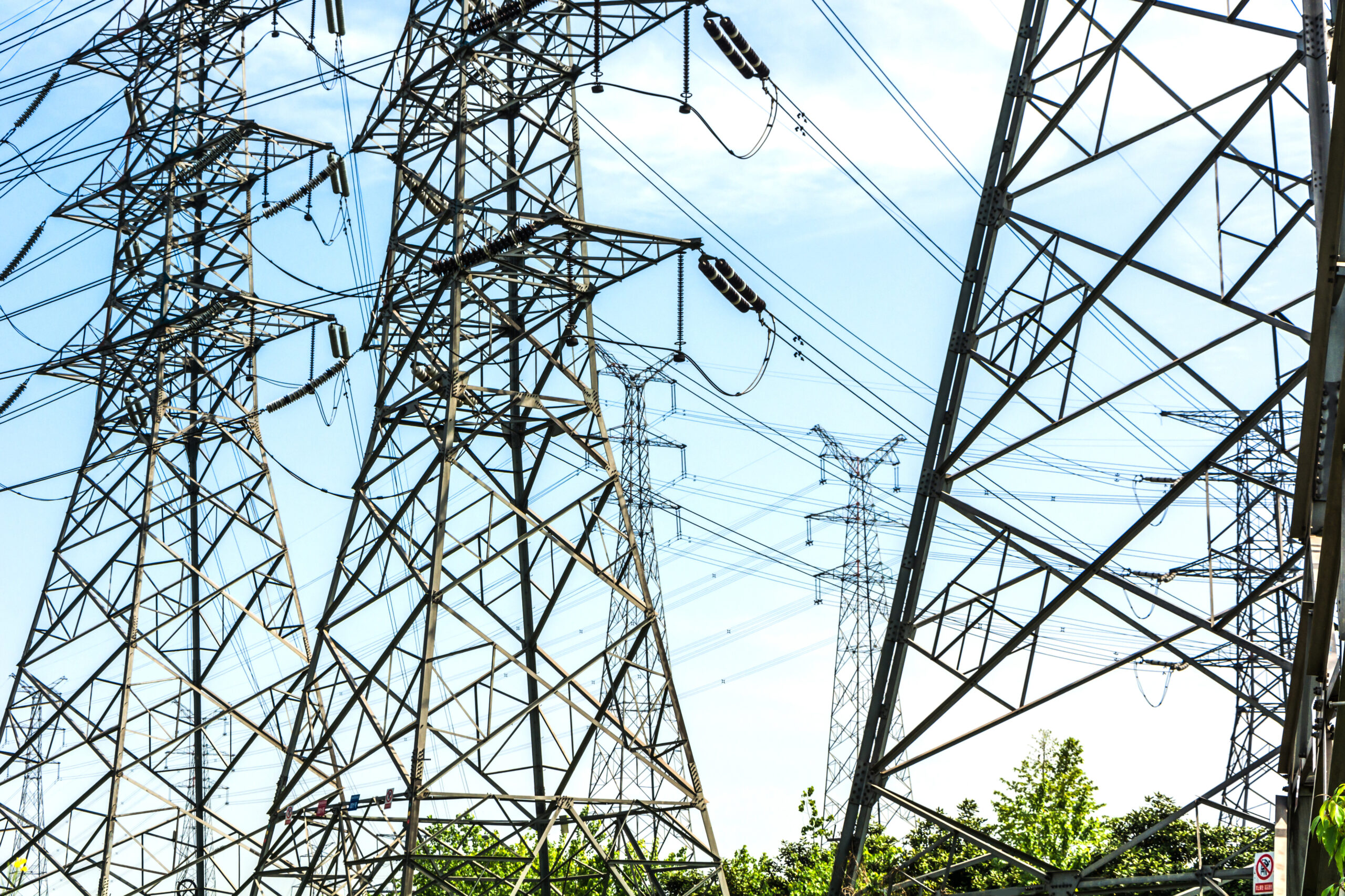



Two out of three companies in the U.S. already feel that energy is eating into their margin.
The question is not whether that will reach Central America.The question is whether it has already arrived and no one in his company is measuring it.
Duke University and the Richmond Fed's most recent CFO Survey documents it: CFOs adjusted their 2026 unit cost projections by an additional +1.1 percentage points. The main driver is not tariffs in the abstract - it is energy costs absorbed internally, without being passed on to the customer.
The real conflict is not that costs are rising. It's that they go up in categories that no one reviews rigorously.
Telecommunications, insurance, freight, professional services - contracts signed 18 or 24 months ago, some without having received a comparative proposal since then. Not because the team is negligent, but because the day-to-day pressure never leaves room for such a review.
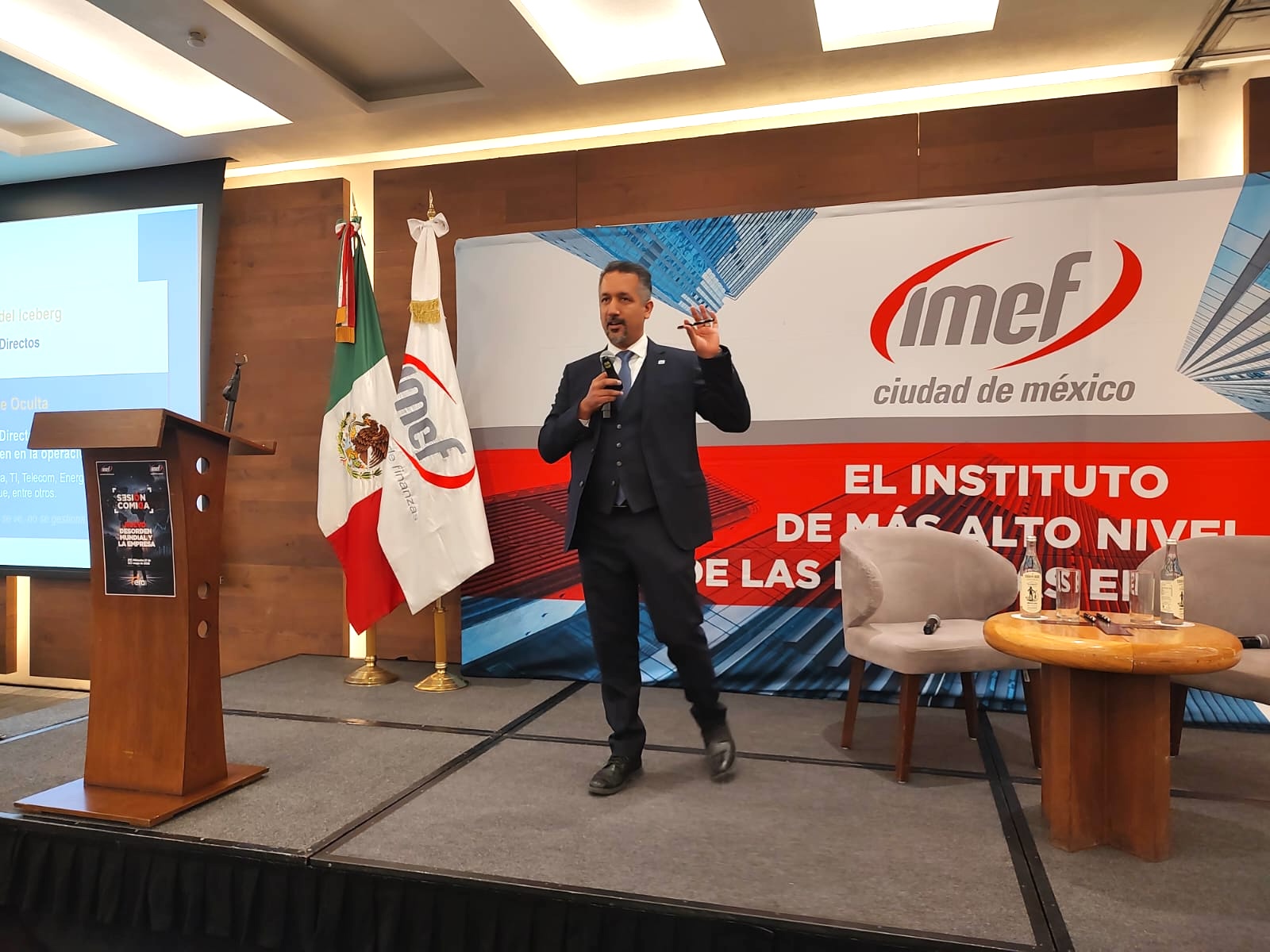
A few months ago we accompanied a distribution company in Guatemala in an audit of its telecommunications spending. No one had reviewed those invoices rigorously in two years. The savings identified exceeded 30% of total expenditure in that category.
Cost inflation does not always come as a visible rise in the CPI. Sometimes it comes as the sum of contracts that no one renegotiated when the market changed.
Protecting the margin does not start with cutting payroll.Start by knowing exactly how much your company is paying - in each category - and whether that price still reflects what the market offers today.
When was the last time your company did that review?
Download the resource