
Saving energy is like carrying an adapter
Maybe this has happened to you before, or maybe not, because you’re a forward-thinking person.
Upon arrival in a foreign country, the accommodation proves satisfactory, and all arrangements proceed as anticipated.
An important meeting is scheduled for the following day.
All aspects are under control.
You retrieve your mobile phone charger, attempt to plug it in, only to find it incompatible.
You examine the power socket, then the charger.
At that juncture, you recall that a differing electrical system is employed in that country, and you neglected to bring the requisite adapter.
Electricity is available; however, the system configuration differs.
A highly analogous situation arises within the realm of corporate energy management.
Numerous companies presume the matter is resolved due to a signed contract and assured supply. However, energy is not a static connection; it constitutes an evolving system.
The challenge does not lie in the availability of electricity, but rather in the lack of preparedness for the system's operational dynamics when it undergoes transformation.

Energy represents an evolving system, rather than a stable cost.
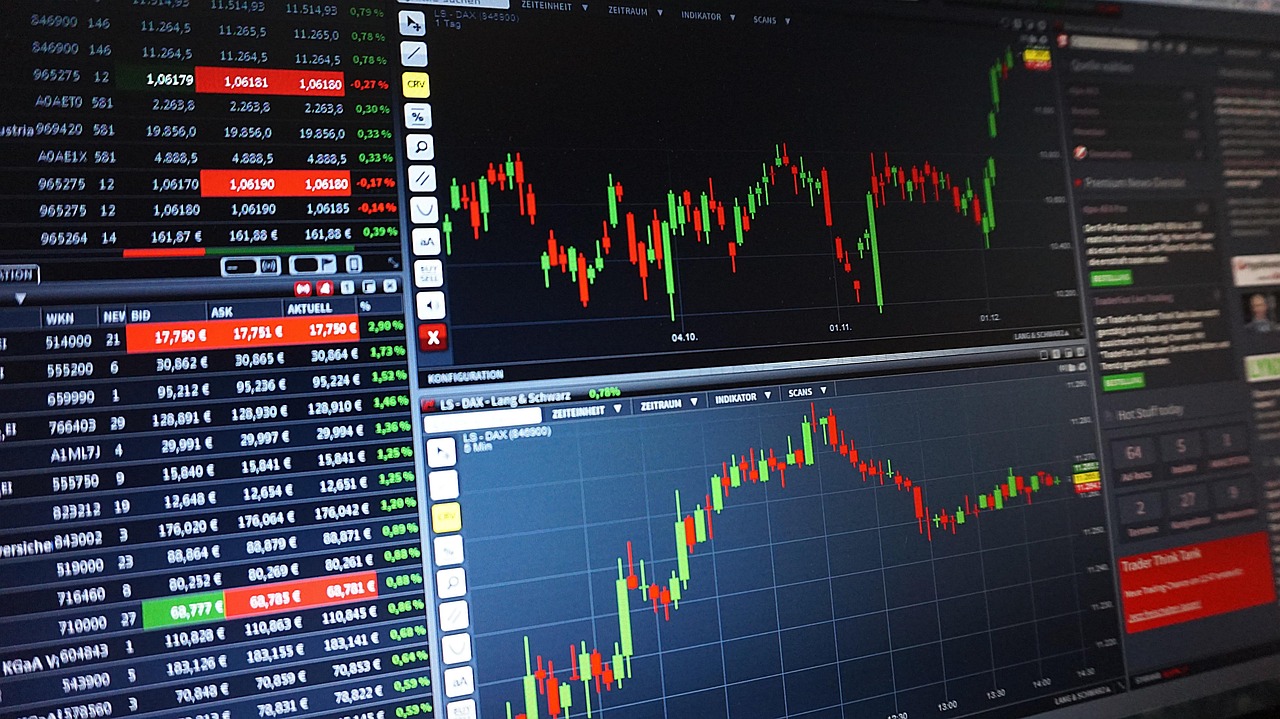
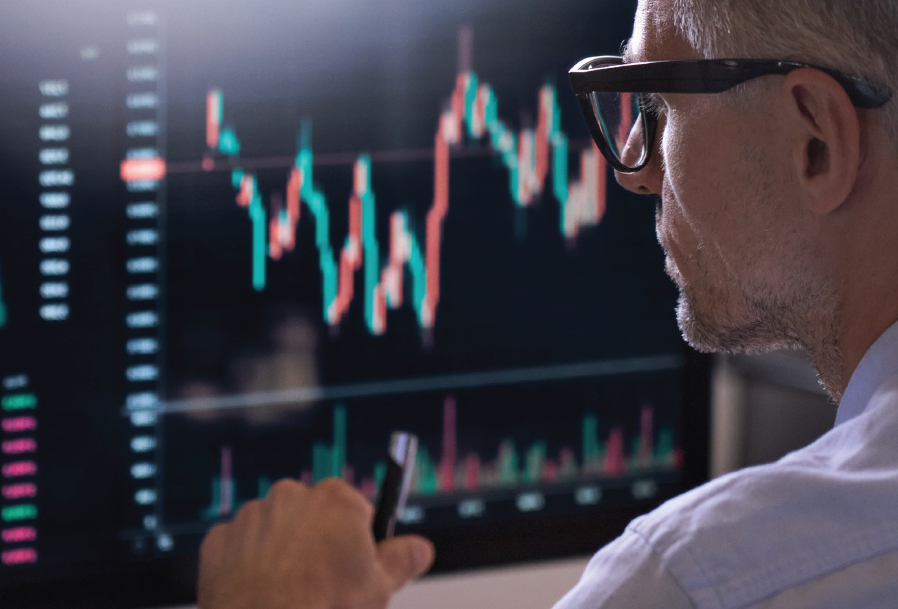
Many companies still treat energy as a fixed budget item: they negotiate the contract, lock in the price, and file away the bill until the following year. But the energy market doesn’t work that way. It is volatile. It is regulated. And it responds to dynamics that behave not like rent, but like a financial market.
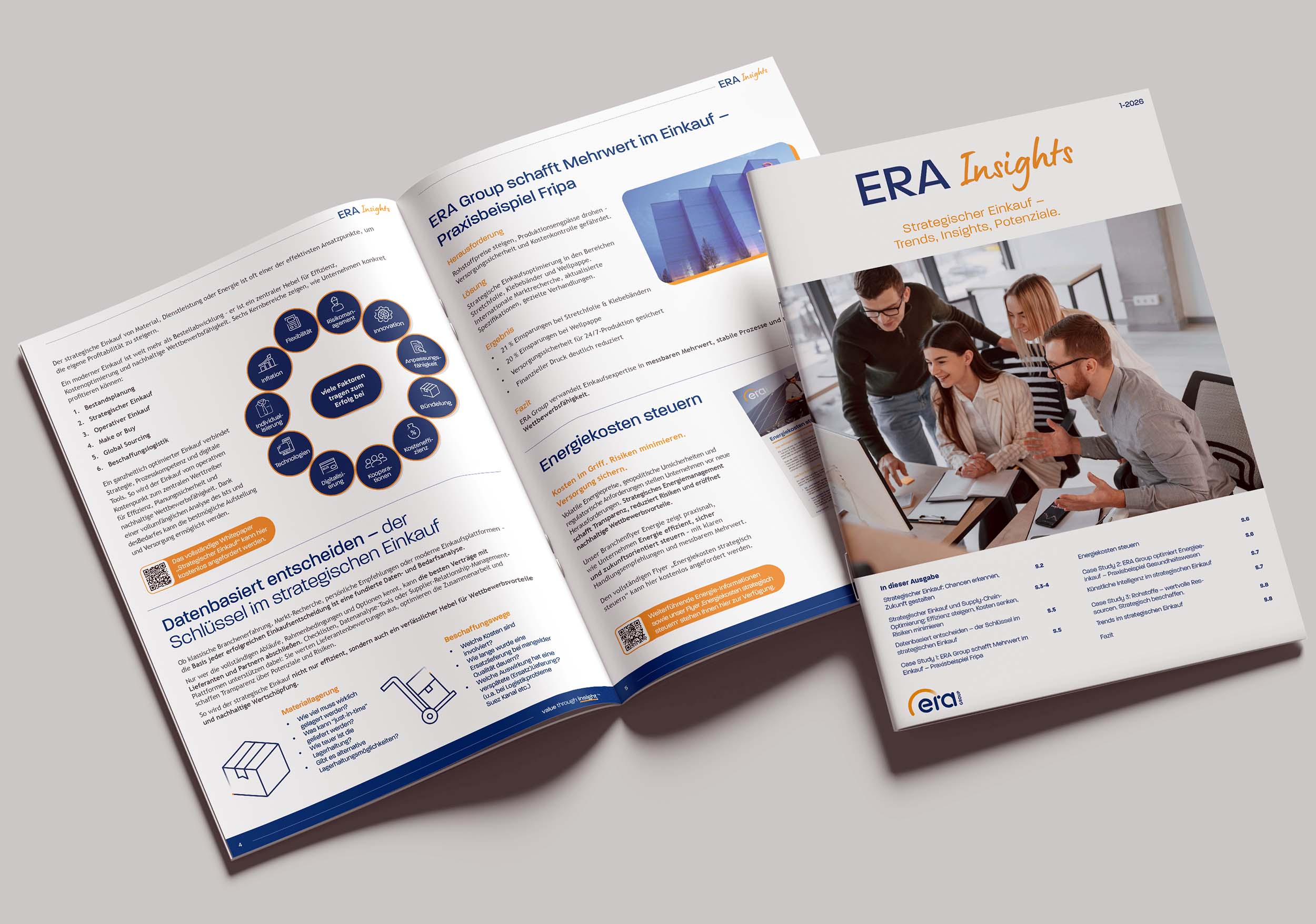
An ERA Group article on energy costs presents a statistic that should give more than one executive committee pause: the volatility of European gas prices can exceed 100% in very short periods. And although we’re talking about gas, the effect carries over to electricity and associated costs. This is not a stable factor. It is a strategic variable. And this is where the first strategic mistake arises: thinking that having a signed contract means you are protected. A contract does not eliminate volatility. It only defines how you manage it.
Fixed or Indexed Pricing and the False Sense of Control
Many companies are unaware of or oversimplify this decision.
Broadly speaking, there are two primary energy billing models: fixed-price and indexed.
A fixed price offers apparent stability.
Indexed pricing may prove more competitive, yet it necessitates a comprehensive understanding of the bill's construction.
And this is precisely where one of the most significant disparities emerges.
Validating an indexed bill is by no means a trivial undertaking.
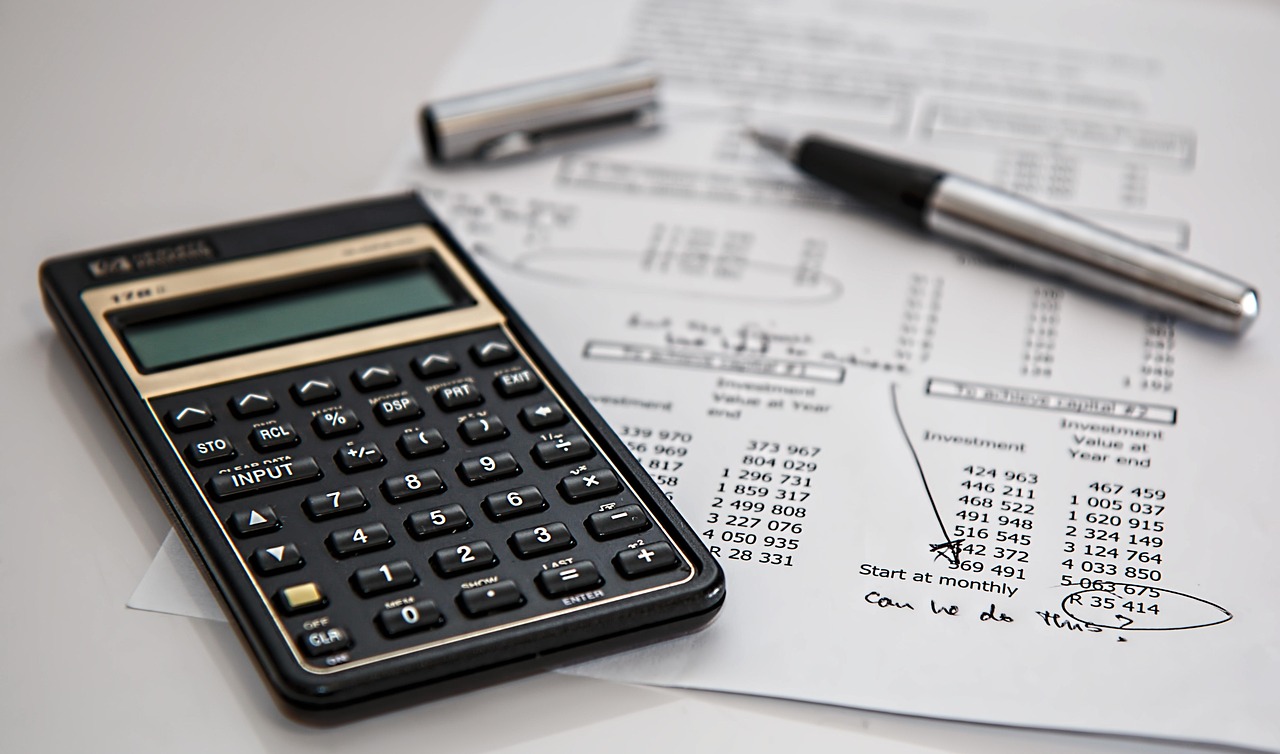
It involves downloading multiple hourly files, cross-referencing them with actual consumption curves, and reviewing queue items that are not always transparent.
In practice, numerous companies settle invoices that are exceedingly challenging to verify with precision.
In practice, numerous companies settle invoices that are exceedingly challenging to verify with precision.
We are not discussing sophisticated optimisation.
We are addressing something more fundamental: verifying the accuracy of payments made.
Undetected billing errors can amount to thousands of euros annually.
It is not a market issue; it is a control issue.
The real energy risk is dependence.
The market changes every day; that is a fact.
The pertinent question is not whether it will change.
The question is how your system is engineered to absorb such fluctuations.
If your energy structure is contingent upon:
- A singular type of contract;
- A singular supplier;
- A singular purchasing strategy;
- a singular supply source;
then the inherent risk is not solely attributable to the price.
It’s in the design.
Because when regulatory conditions change, new mechanisms like CAEs emerge, incentives are modified, or compensation models shift, those who aren’t prepared don’t just pay a little more.
They pay for a long time.
The dependency isn’t visible while the system is working. But when the environment shifts, it becomes a structural cost.

Self-consumption, CAEs, and HVAC systems
When we talk about real energy optimisation, there are three areas that many companies are still not analysing in sufficient depth. These are not tactical measures. They are design decisions.
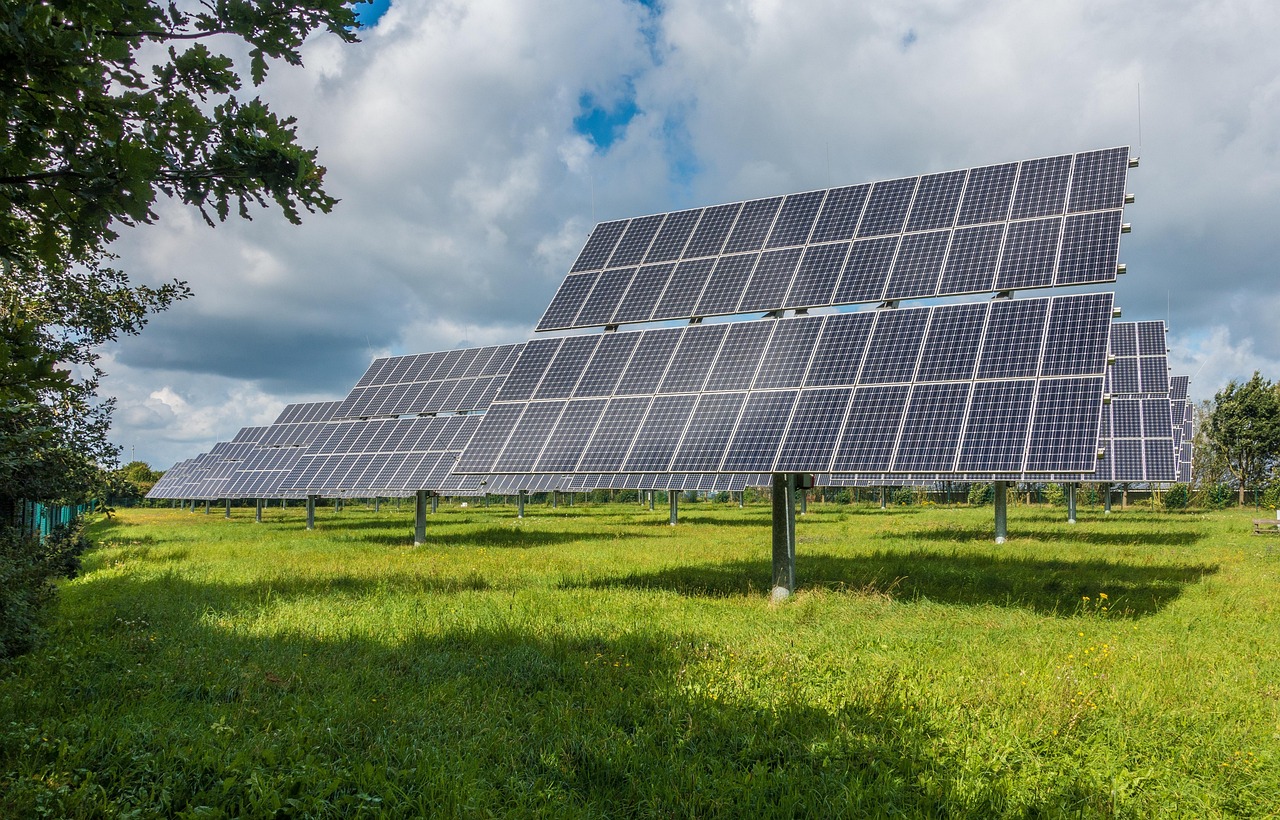
- Self-consumption: Photovoltaic installations reduce dependence on the grid, improve the carbon footprint, and may qualify for subsidies. They change the company’s strategic position in the energy market.
- ESCs (Energy Saving Certificates): Many companies are unaware that they can monetize energy savings already achieved. Investments with estimated seven-year payback periods can be reduced to three years thanks to savings certification.
- HVAC optimisation: Controlling motors using variable frequency drives and smart controls can generate savings of around 9% of electricity consumption. In a 180-room hotel, that can translate to approximately €50,000 in annual savings, with investments recouped in six months.

If energy is strategic—and it is—the questions to ask are: Are invoices being verified correctly? Has contracted power capacity been optimised? Is energy risk being measured? Have CAE opportunities been analysed? Is there real self-consumption potential with comprehensive financial analysis?
optimising energy means being prepared. When you travel with an adapter, the system change doesn’t affect you. The same applies to energy—circumstances change, but design keeps you ready.
If you want to cheque whether your company is prepared or just coasting along, let’s talk.