


In an environment where disruption is the new constant; how companies anticipate and deal with change will determine who survives and who leads.

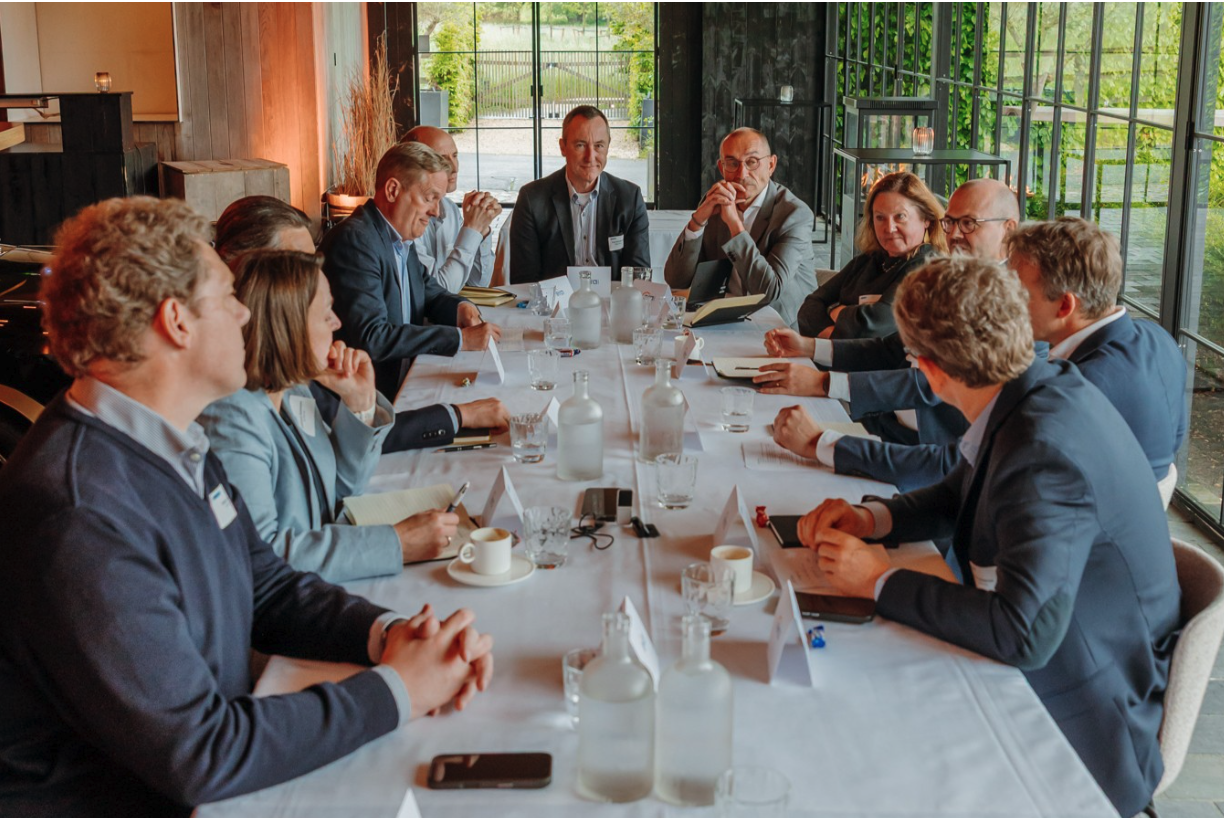
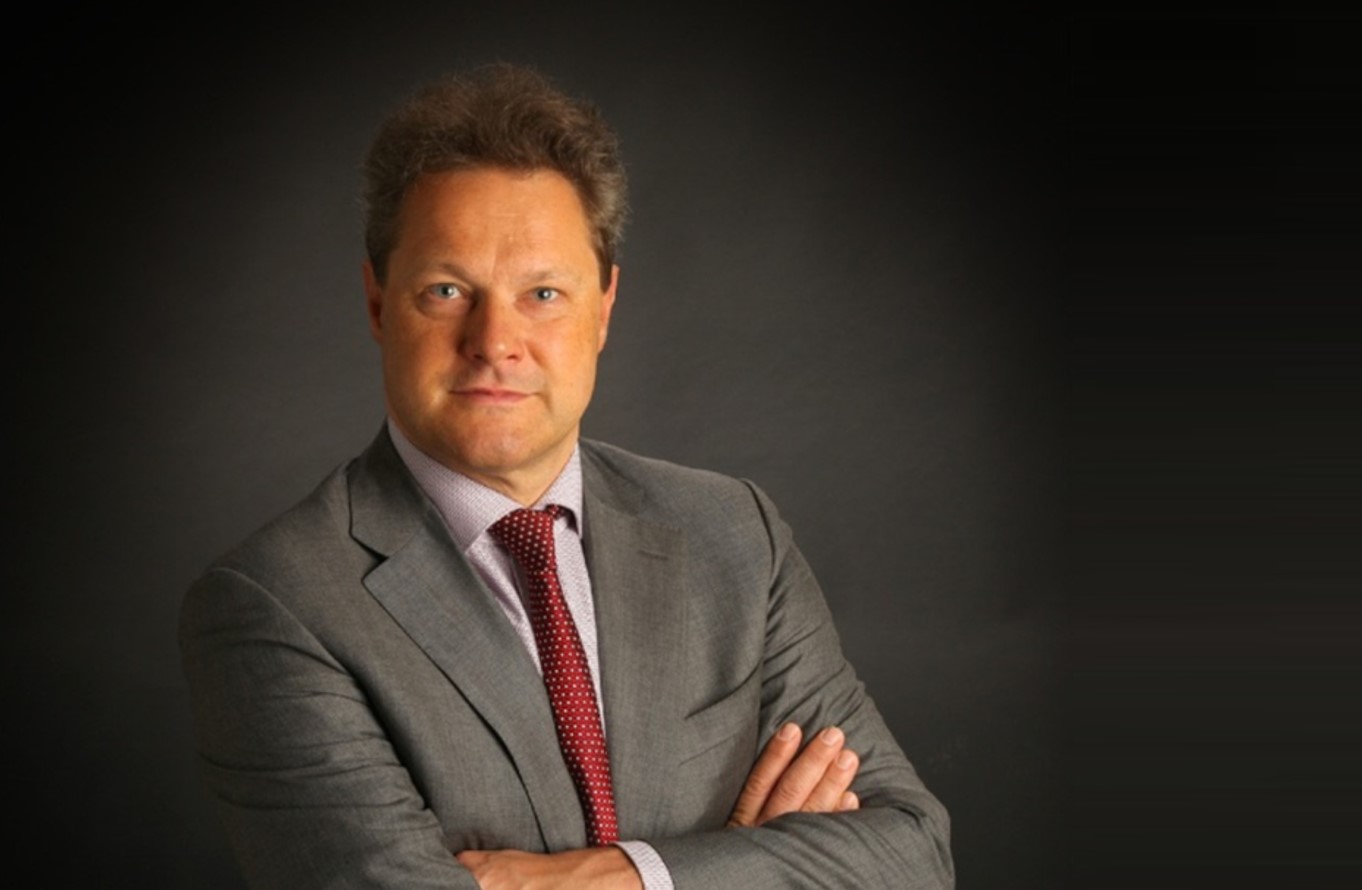
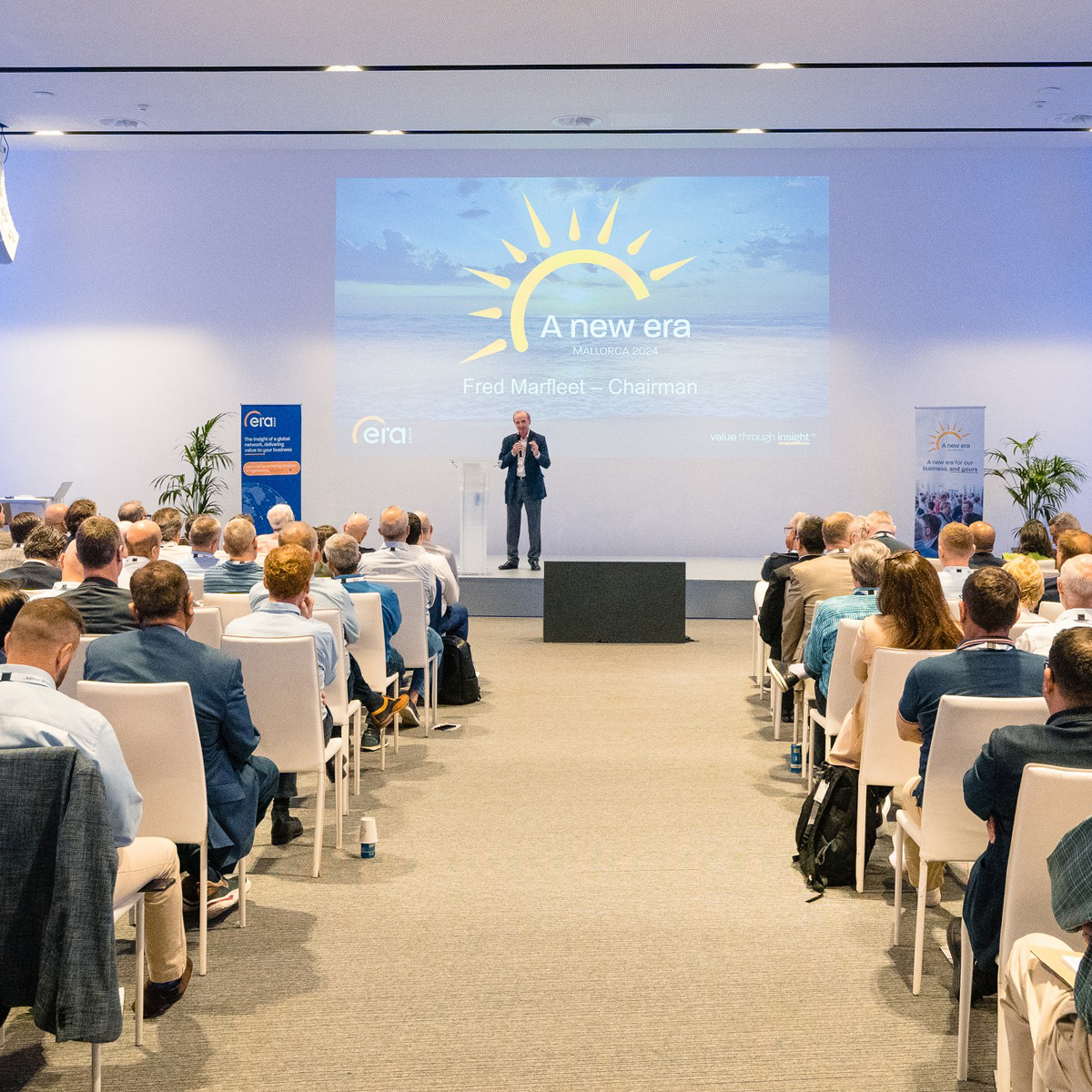
That was the central premise of the recent webinar organised by ERA Group for our clients in the Americas and Europe; with the participation of futurist Mark Bünger. During the session; we analysed how emerging technologies; disruptive business models and social changes are transforming hidden costs; margins and strategic decisions for thousands of organizations.
I would like to share some of the most relevant insights here; supplemented by research from Harvard Business Review; MIT Sloan; Caltech; Bloomberg; Forbes; and TechCrunch.
🔍 From cost optimisation to model reinvention
- It's not just about saving; but about anticipating
Strategic foresight—a discipline that combines long-term vision with active planning—is already a key practice in leading companies. According to MIT Sloan; organizations that invest in foresight are 33% more likely to lead in profitability and growth.
- Exponential technologies: investing at the right time
One case presented in the webinar was that of a pharmaceutical company that saved £150 million by using AI for natural language processing; replacing a three-year project with a £100;000 solution.
Caltech has shown that understanding the S-curve of technology adoption allows you to avoid timing mistakes and take advantage of "sweet spots."
- Eliminate invisible friction
Many costs are not in the products; but in inefficient processes: logistics; inventory; customer service; etc.
HBR estimates that eliminating friction in the customer experience can increase margins by 10% to 30%.
- Autonomous commerce and anticipatory logistics
We are entering the era of autonomous commerce; where intelligent agents will make purchasing decisions; schedule deliveries; and reorder inventory without human intervention.
Forbes projects that by 2030; 40% of retail purchasing decisions will be initiated by autonomous systems.
- Monetising underutilised assets
The Airbnb and Uber model can be applied to all types of businesses: from office space or idle fleets to unassigned talent. Converting underutilised assets into value is a source of immediate profitability.
- From human services to intelligent software
AI already makes it possible to partially or totally replace administrative; legal or operational functions.
According to Bloomberg; banks such as JPMorgan are using AI to automate contract reviews; saving more than 360;000 hours per year.
🤖 What about humanoid robots?
One of the most provocative points of the webinar was the imminent adoption of humanoid robots.
Is this science fiction? No.
Are they relevant today? For some industries; absolutely.
TechCrunch estimates that the cost of these robots will autumn by 60% by 2027. Mark Bünger was clear:
"If your business is heavily labour-intensive; you have 18 to 24 months to explore and integrate robotics pilots or you will be left behind."
This is not replacement; it is evolution. Robots do not eliminate jobs; they transform functions.
✅ Recommendations for business leaders
Strategic reserve
: Allocate 5–10% of your innovation budget to exploring technologies outside your radar.
Apply the hedgehog principle
: Focus on what you do better than anyone else and turn it into your competitive advantage.
Redesign processes before products
: Often the real source of savings is in how you do things; not what you sell.
Activate pilots now
: Waiting for perfect data is an excuse for not moving forward. Prototype; measure and adjust quickly.
Get ready to compete on platforms
: Whoever controls the experience (the interface) controls the value.
- Explore robotics now if you are highly dependent on labour: Trade fairs; suppliers; trials. Today is the time.
Conclusion
The future is no longer predicted; it is built. At ERA Group; we help our clients in more than 40 countries to scan their cost base; anticipate disruptions and generate concrete competitive advantages.
Efficiency is not an end in itself; it is the starting point for freeing up capital; innovating and growing.