All articles
ERA Group offers 10 tips for optimising costs in your franchise in an international landscape full of uncertainties



The current international climate, marked by trade tensions, regulatory changes, and geopolitical risks, is forcing many companies to review their cost structures. Although Spain is not among the countries directly affected by the new tariffs proposed against several European partners, franchises are not immune to their indirect effects.
At ERA Group, a consulting firm specialising in cost optimisation and supplier management, one key idea is emphasised: today, the impact comes not so much through direct channels as through the ripple effect on supply chains, prices, and contracts. For franchises, which operate with tight margins and replicable models, being proactive is essential.
Here are 10 practical tips for optimising costs without compromising quality or business growth.
1. Review the supply chain as a whole, not by country
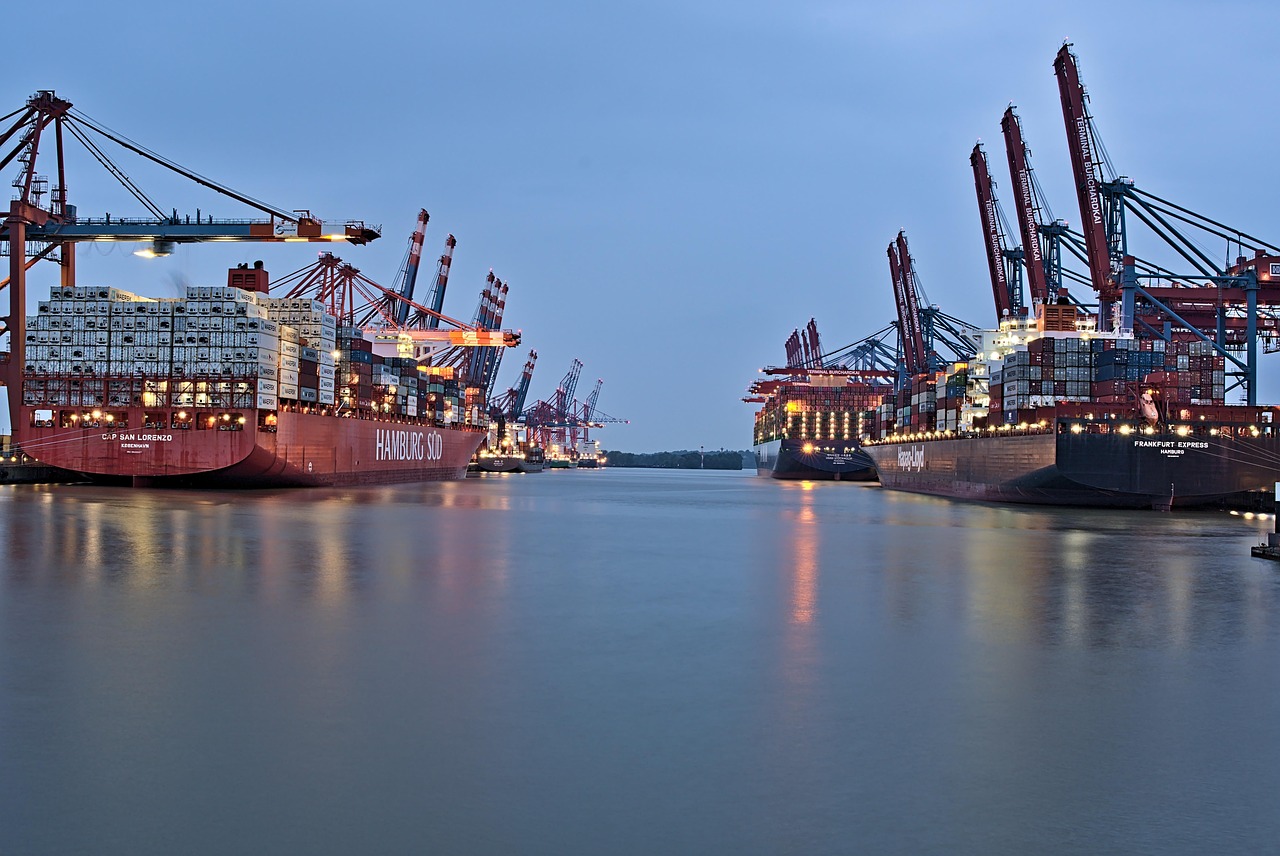
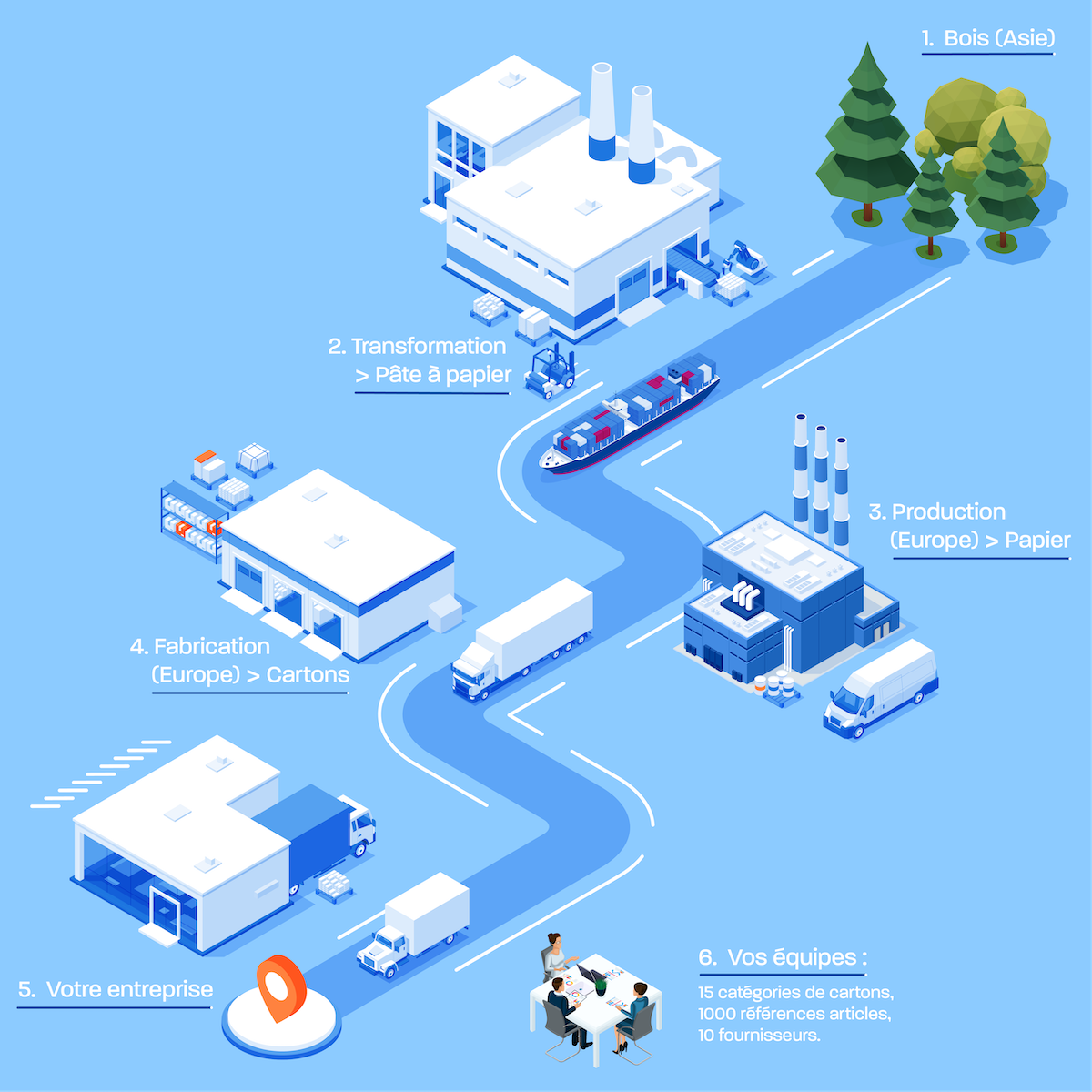
One of the most common mistakes is analysing risk solely based on the country of origin. In a global environment, costs travel through supply chains, not across borders. A price increase from a European supplier can directly impact your franchise, even if it does not directly import from strained markets.
2. Don’t wait for costs to rise before renegotiating
Uncertainty should not paralyse you, but rather prompt conversations. Reviewing contracts, supply terms, and price adjustment clauses now allows you to gain room to manoeuvre before the impact materialises.
3. Diversify suppliers even within the same country
It’s not just about seeking international alternatives. In many cases, diversifying within the same market reduces operational risks, dependency, and the supplier’s ability to negotiate unilaterally.
4. centralise strategic decisions, but allow for flexibility in execution
In franchising, centralization brings efficiency, but in volatile contexts, it’s key to allow for some local flexibility to adapt to variations in costs, logistics, or availability.
5. analyse “overlooked” costs that directly impact margins
Transportation, energy, maintenance, insurance, and ancillary services are often overlooked, but in volatile scenarios, they are the first to become more expensive. optimising these areas can generate quick and sustainable savings.
6. Make cost optimisation a continuous process
Optimisation is not about making one-off cuts. The most resilient franchises are those that integrate cost review as part of their ongoing management, not as a reaction to a crisis.
7. Gain real visibility into the cost structure
Many franchises operate with incomplete or inconsistent information across units. Without comparable and consolidated data, it is impossible to detect inefficiencies or anticipate risks.
8. Do not automatically pass the cost on to the consumer
Whilst raising prices might appear to be the quickest solution, it is not always the most sustainable. Optimising processes, renegotiating with suppliers, or adjusting consumption typically proves less detrimental to the brand and demand.
9. Strengthen medium-term financial planning
Global uncertainty demands scenarios, not single forecasts. Working with realistic scenarios allows for a swift response if supply, transportation, or energy costs change.
10. Seek support from external experts for critical decisions
In complex environments, a specialised external perspective aids in identifying cost-saving opportunities that are not readily apparent internally, and in prioritising actions with a tangible impact on margins.
“Today more than ever, cost optimisation is not just a matter of saving money, but a strategic tool for building resilience and protecting the franchise model against an increasingly uncertain international environment. In an international environment as volatile as today’s, cost optimisation can no longer be viewed as a one-off or reactive exercise.
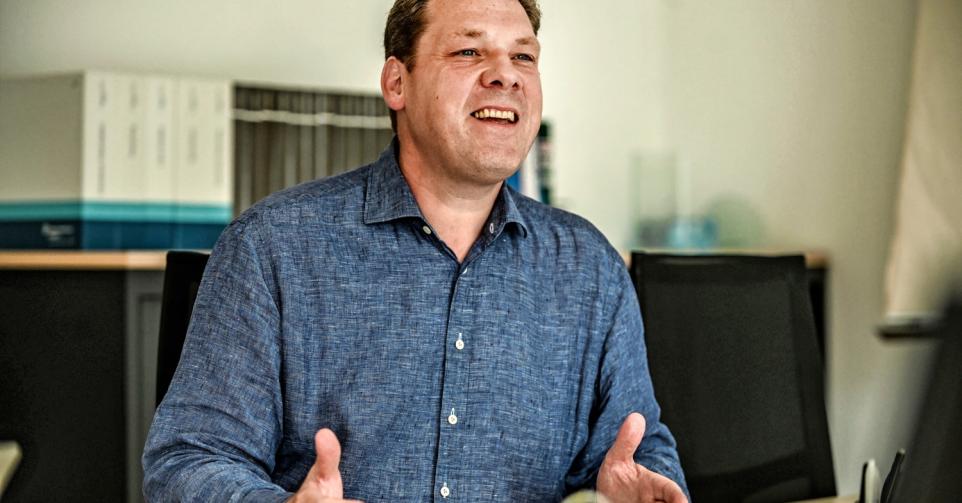
For franchises, anticipation is key: reviewing suppliers, contracts, and structures before the impact reaches the income statement makes the difference between protecting margins or losing competitiveness. Today, cost optimisation is a strategic decision to build resilience, not just to save money,” says Carlos Franco, consulting partner at ERA Group.