All articles
From Apparent Stability to Risk Management: What Energy and Transport Companies Must Assimilate Prior to 2026



Fernando Vázquez, consulting partner at ERA Group
In recent years, few sectors have attracted as much attention from companies as energy and transport. Following a series of shocks that tested budgets, supply chains, and operating models, 2025 has brought a sense of partial relief. Prices have moderated in some cases, and extreme volatility is now behind us. However, it would be a mistake to interpret this scenario as a return to normality.
Looking ahead to 2026, the real challenge lies not so much in price levels as in the complexity surrounding them. Energy and transport remain critical categories not only because of their weight on the bottom line, but also because of their ability to amplify operational, financial, and strategic risks.
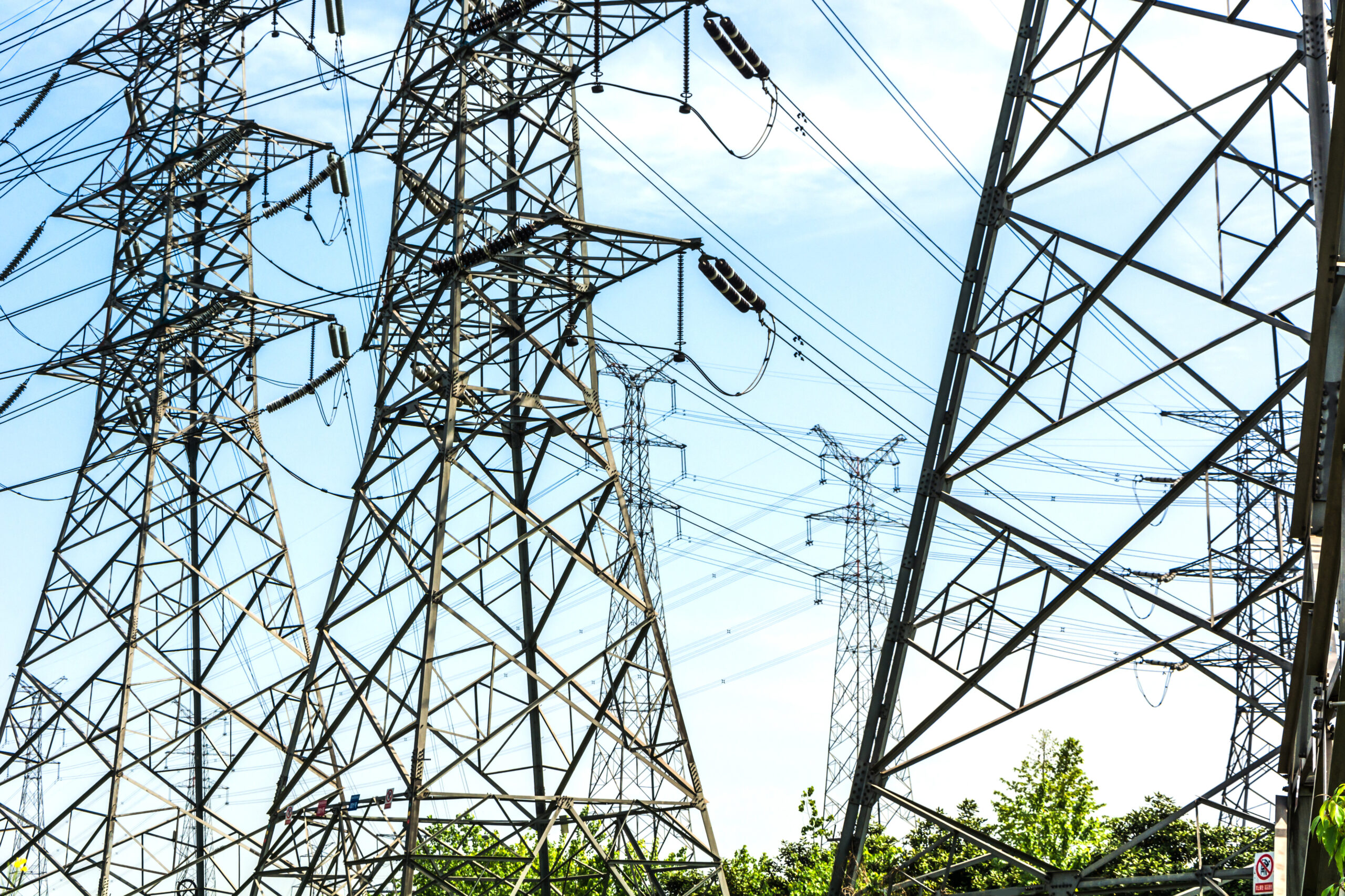
In the energy sector, Europe has clearly moved past the most acute phase of the 2022 crisis. Electricity and gas prices have fallen from their peaks and are pointing towards greater stability on average. However, they remain significantly higher than before the crisis and, above all, higher than in other regions such as the United States. This gap represents a structural disadvantage for European industry in a highly competitive global environment.
Added to this is a profound shift in the energy mix. The growing penetration of renewable energy, which already accounts for approximately half of Europe’s electricity generation, has reduced dependence on fossil fuels but has also introduced greater price volatility. Energy is cleaner today, but also more challenging to predict, which complicates budget planning and risk management.
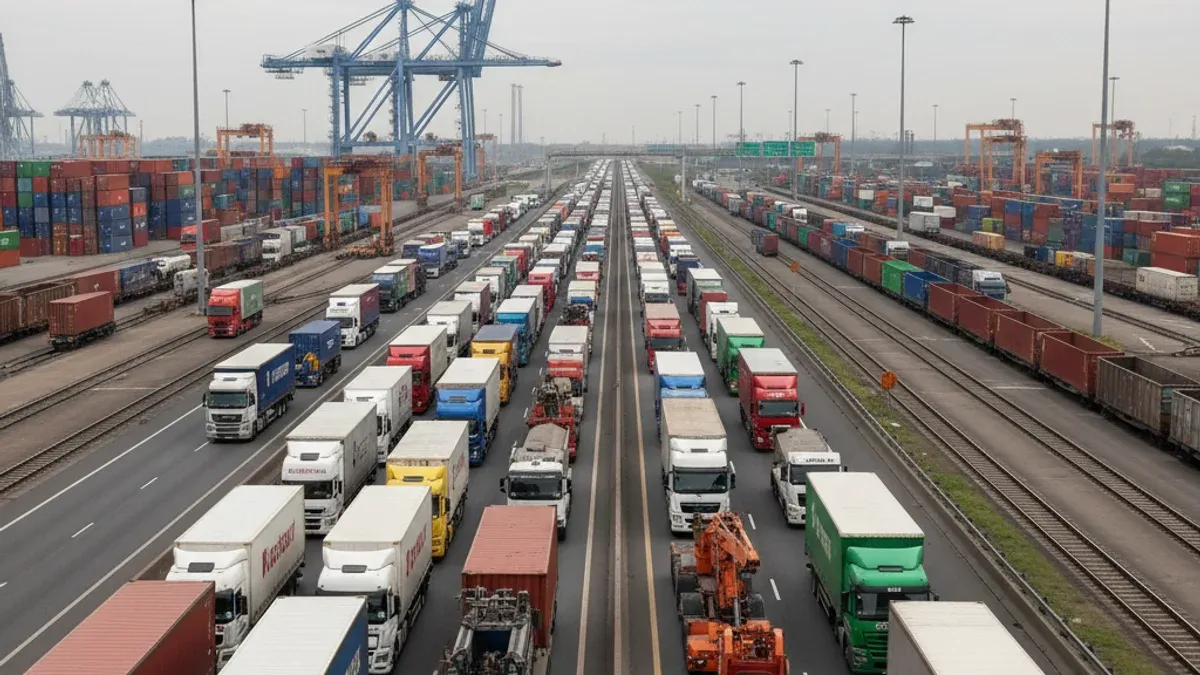
In transport and logistics, 2025 has been less a year of sudden price changes and more an exercise in adapting to market behaviour. In road transport, relative stability has been accompanied by announcements of moderate price increases for 2026, driven mainly by wage inflation and higher maintenance costs. Fuel continues to be treated as a separate surcharge, adding further uncertainty.
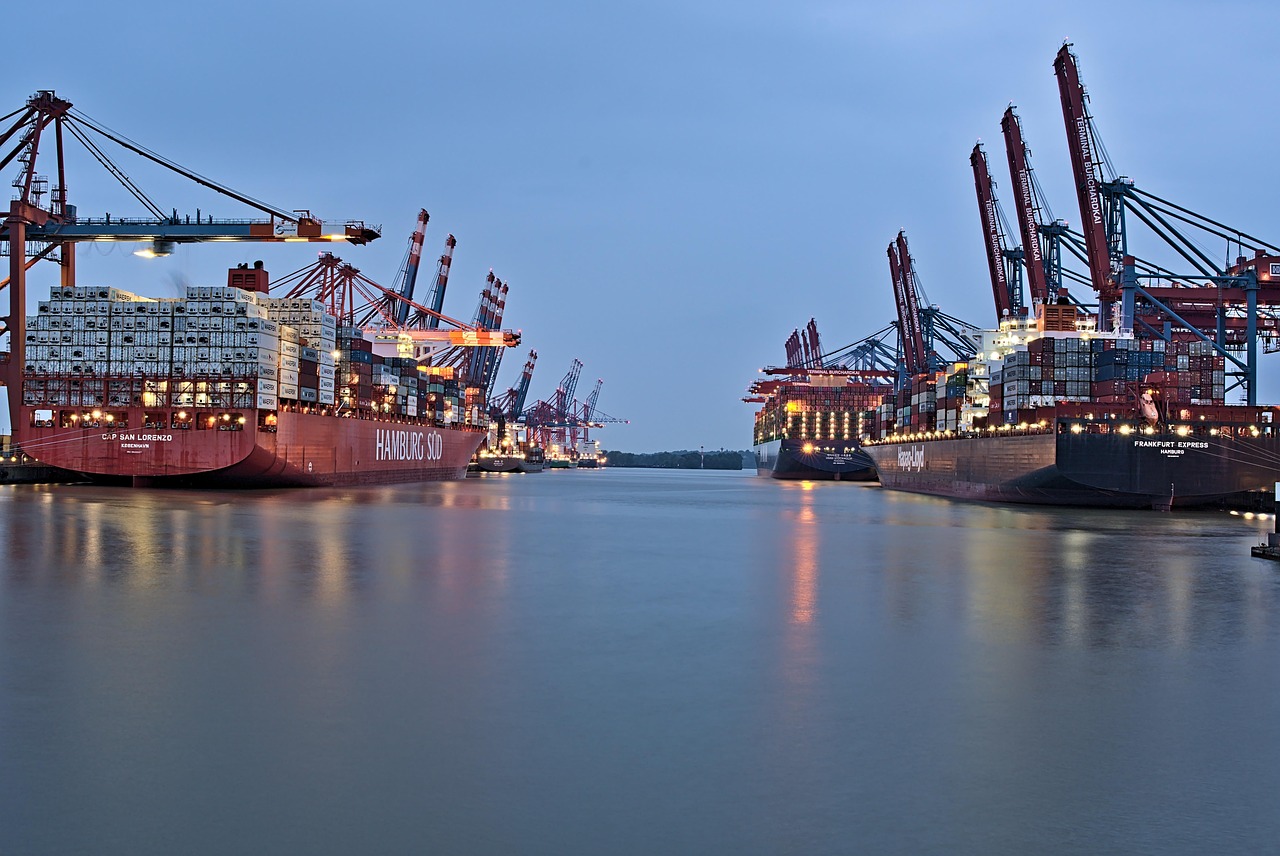
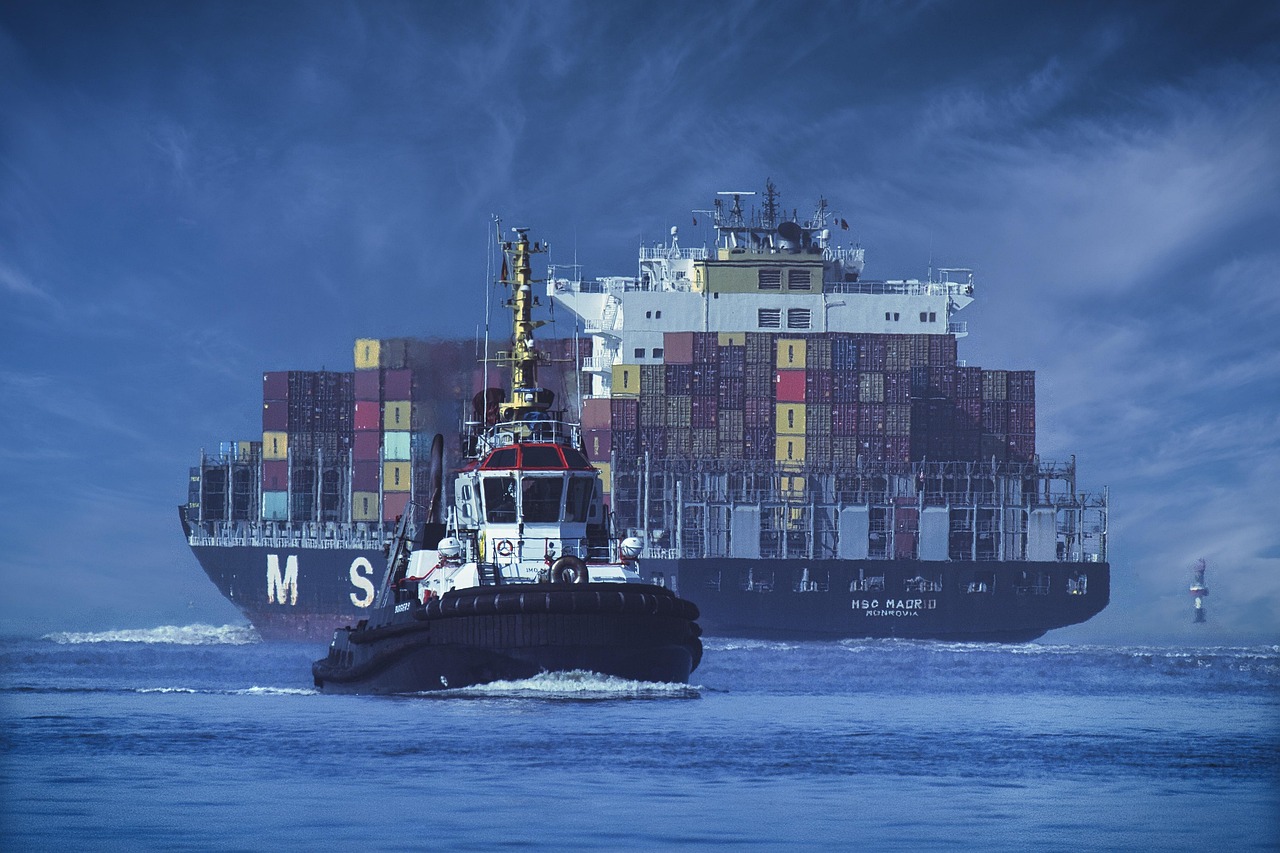
Maritime transport, for its part, has left behind the extreme peaks of previous years, with significant declines in rates, although volatility remains a constant. Adding to this scenario is the rise of “nearshoring” (the relocation of part of production and sourcing to closer markets), which is redefining the flow of goods and altering the risks associated with international transport. At the same time, carriers are adopting more defensive positions, increasing surcharges and limiting their exposure, which reduces shippers’ room to manoeuvre.

The common lesson in energy and transport is clear. The question for 2026 is no longer just how to reduce costs, but whether organisations truly understand where their risks are concentrated and how these risks can impact margins, operations, and service levels.
Digitalisation, data visibility, and supplier diversification are no longer optional initiatives but have become fundamental tenets of management. Treating these categories as strategic risks, rather than mere budgetary allocations, will enable organisations to cultivate resilience without compromising competitiveness.
Apparent stability can be misleading. Organisations that possess the foresight to anticipate, secure favourable terms when market conditions permit, and make data-driven decisions will be better equipped to compete in an operating environment that, whilst less extreme than in recent years, will nonetheless remain demanding and complex. In 2026, it will not be the swiftest reactors who prevail, but rather those who first comprehended the inherent risks.