


Local development is planned; measured and reinvested.
Many people talk about local development when it comes to submitting reports or complying with an audit. But if we want to have a real — and sustainable — impact; we need something more.
In my experience with companies that supply the mining sector; I see two clear paths:
1️⃣ The "I comply and move on" approach: I comply with what is asked of me on paper; without looking at the real impact 🤨 (I don't share it).
2️⃣ The "I integrate" approach: I design processes that optimise my costs and strengthen the local network.
And this is not just an ethical issue. It is strategic.
📍 Real example: In Australia; Carey Group; a 100% indigenous supplier; changed the traditional logic of mining contracts. Since 1995; it has managed to get agreements with giants such as AngloGold Ashanti and Lynas to include:
- ✔️ Employment and training for indigenous people
- ✔️ Participation of local and Aboriginal businesses
- ✔️ Disaggregated contracts to facilitate access for SMEs
- ✔️ Programs such as "Get into Mining"; which prepare local workers for skilled roles
In 2024; they signed a five-year contract with Lynas Rare Earths; with an explicit focus on skills development and sustainability.
That's not philanthropy. It's vision. It's business strategy applied to the territory. Companies that integrate local development into their costs; contracts and measurements stand out to global buyers. And they do so without losing efficiency.
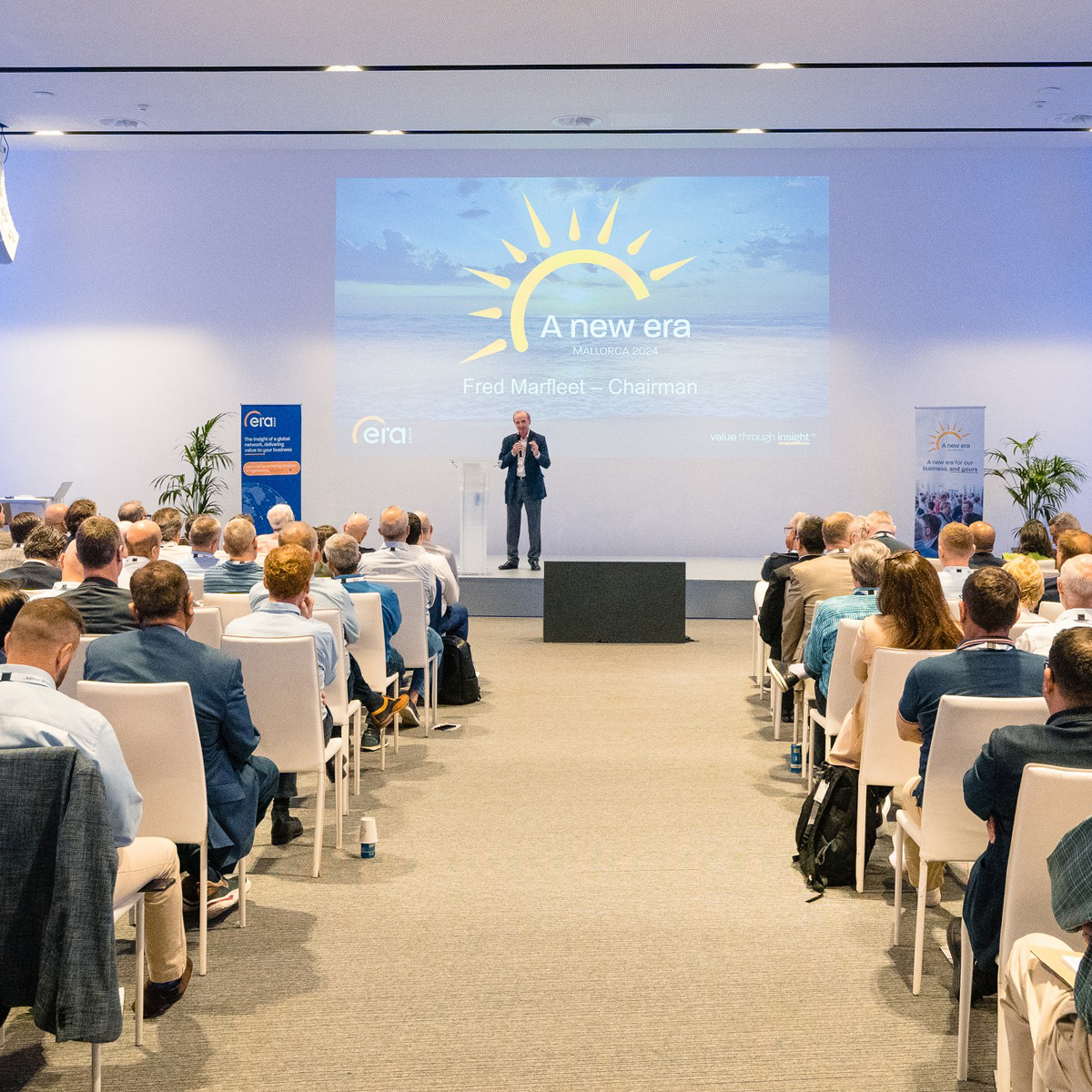
That's the work I do at ERA Group with my clients. organise; measure; design and demonstrate. With results; not statements.