
What exactly do you do, and how many partners do you currently have in Belgium?
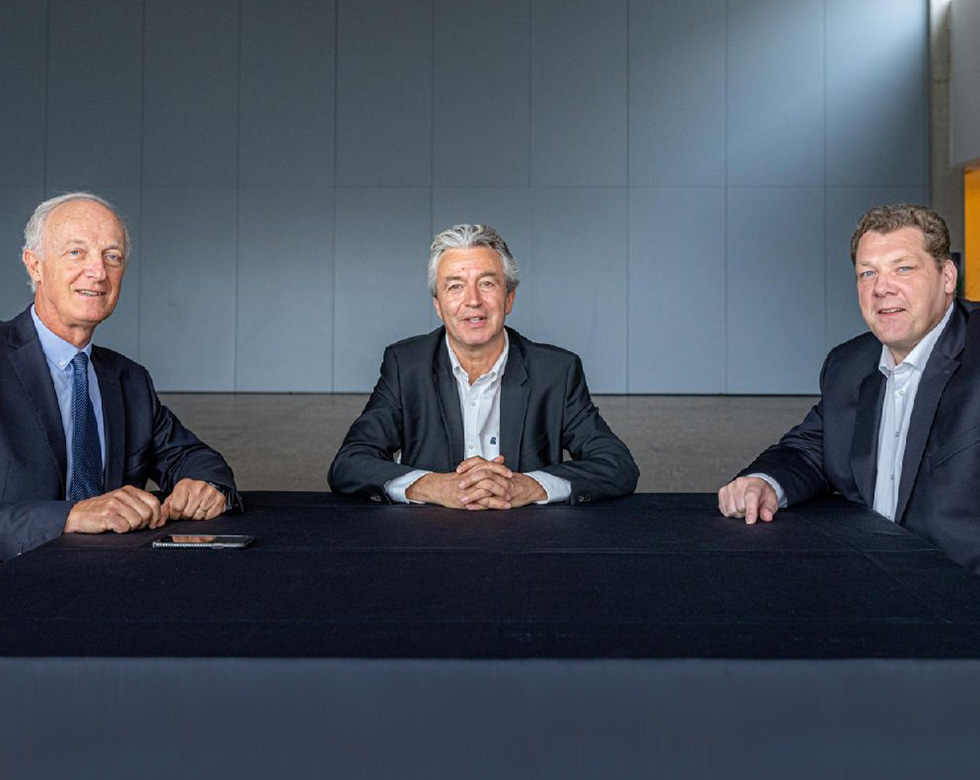
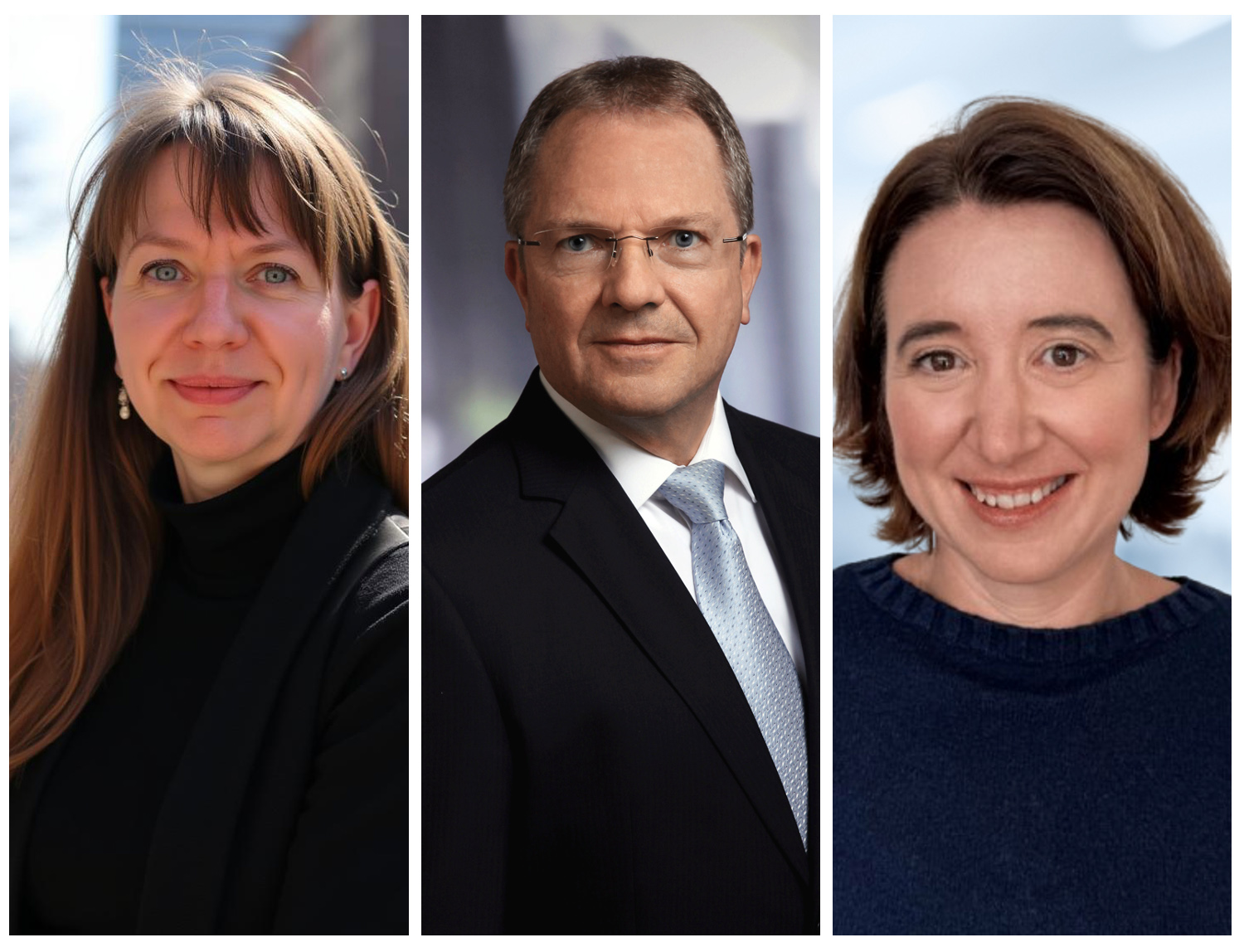
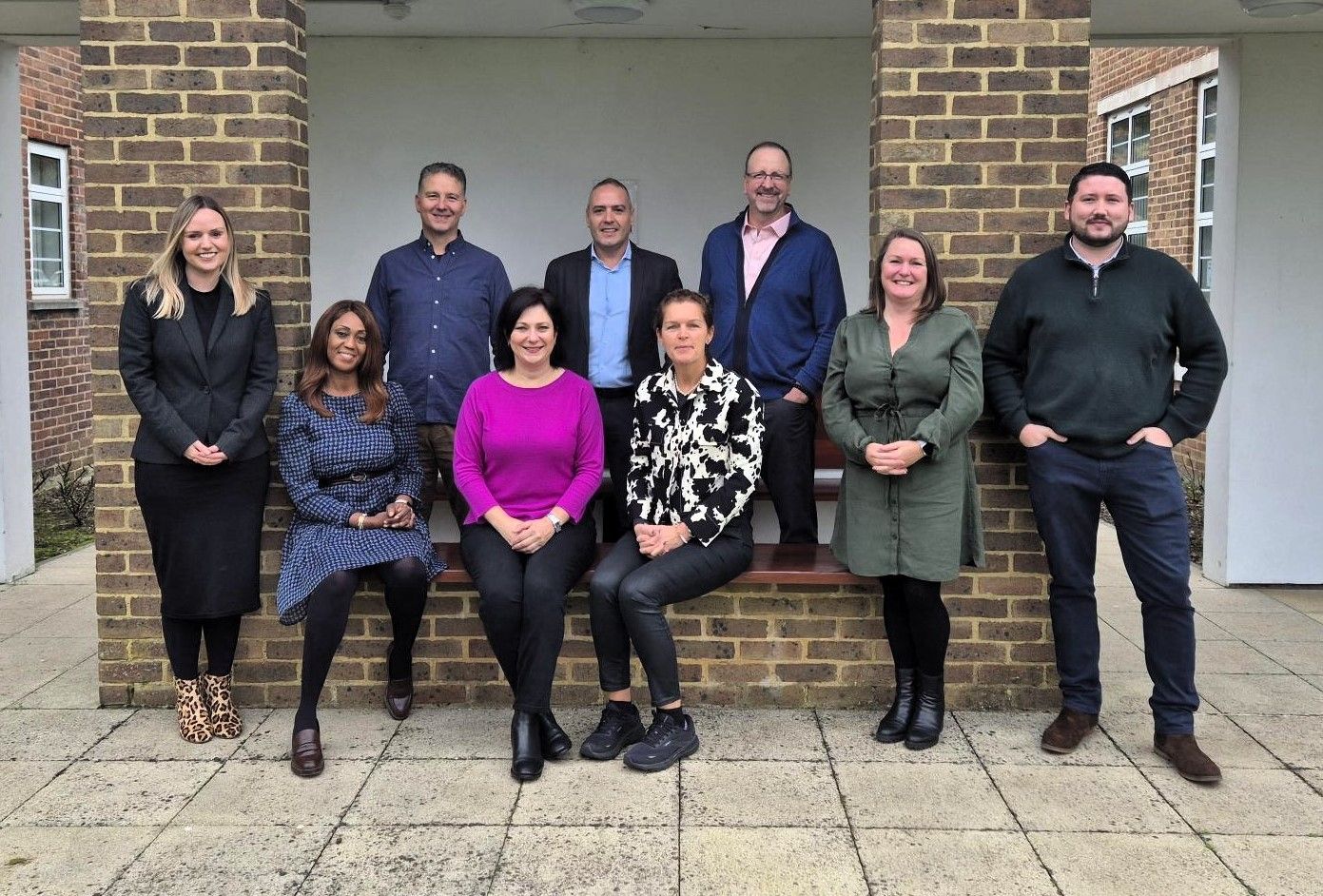
Johan Van Delm, managing partner and fleet and mobility specialist at ERA: “We help companies—across a wide range of sectors—to reduce costs. Specifically, we aim to help them operate more efficiently by combining our broader expertise in a given field with the highly specialised knowledge already present within those companies themselves. We never claim to know better, but we try to apply our expertise to the specific situation and approach within a given company. To do this, we rely on a network of 19 partners in our country, each with their own expertise and knowledge, which is made available to domestic and international clients.”
Philip Declat, partner and logistics specialist at ERA: ‘We provide the client with insight into their costs by objectifying data and then present them with various alternative approaches, with the goal of creating value. A company initially focuses on its own core business. We have both the time and the knowledge to examine the non-strategic processes and identify potential savings or better options available there. On average, we remain on board with a client for about two and a half years.’
You are part of an international group. How significant is the added value of that international expertise for Belgian clients?
Johan Van Delm: ‘We now work with around 750 partners worldwide. The focus is on the UK and mainland Europe, but we also have offices in the US, Asia, and Australia. We have a broad local network but also leverage our global knowledge: for example, if we have partners in Germany with specialised medical expertise, our clients in the healthcare sector can also benefit from that. Additionally, for each industry sector, we can rely on so-called practice groups, with specialists who have particularly in-depth knowledge of a specific sector and the specific opportunities for cost reduction within it.”
Why would a company, which already knows its own sector and business inside and out, now turn to external specialists to achieve the most optimal cost reduction possible?
Christophe De Vleeschouwer, senior partner and energy specialist at ERA: ‘My field is perhaps a good illustration of this. Most non-energy-intensive companies do not have their own in-house energy specialist, because it is not a strategic activity for them. Drawing on my expertise in the energy sector, I can therefore provide them with cost-saving ideas and negotiate new contracts. Initially, we work on a no-cure-no-pay basis, but we often see this converted into a long-term service contract afterward. Precisely because companies want to continue relying on our expertise in the long term. So we really strive for long-term partnerships, in which we always work very closely with internal stakeholders. Clients expect sustainable savings from us, and aspects related to the ‘Green Deal’ have also become paramount.’
Which companies do you primarily target?
Philip Declat: ‘In terms of revenue, we’re usually dealing with companies with local revenue ranging from 30 to 300 million euros.
On average, indirect costs amount to about ten percent of that revenue, and since we operate on a no-cure, no-pay basis, we naturally also need a certain minimum scale. Very large companies typically have their own staff to analyse and reduce those indirect costs; nevertheless, we can often still offer them added value through our expertise in certain segments. In fact, once clients experience our approach, they often ask us to launch a project focused on specific, strategic areas as well.’
‘We have both the time and the knowledge to examine non-strategic processes and identify potential savings opportunities there’
PHILIP DECLAT, PARTNER AND LOGISTICS SPECIALIST AT ERA
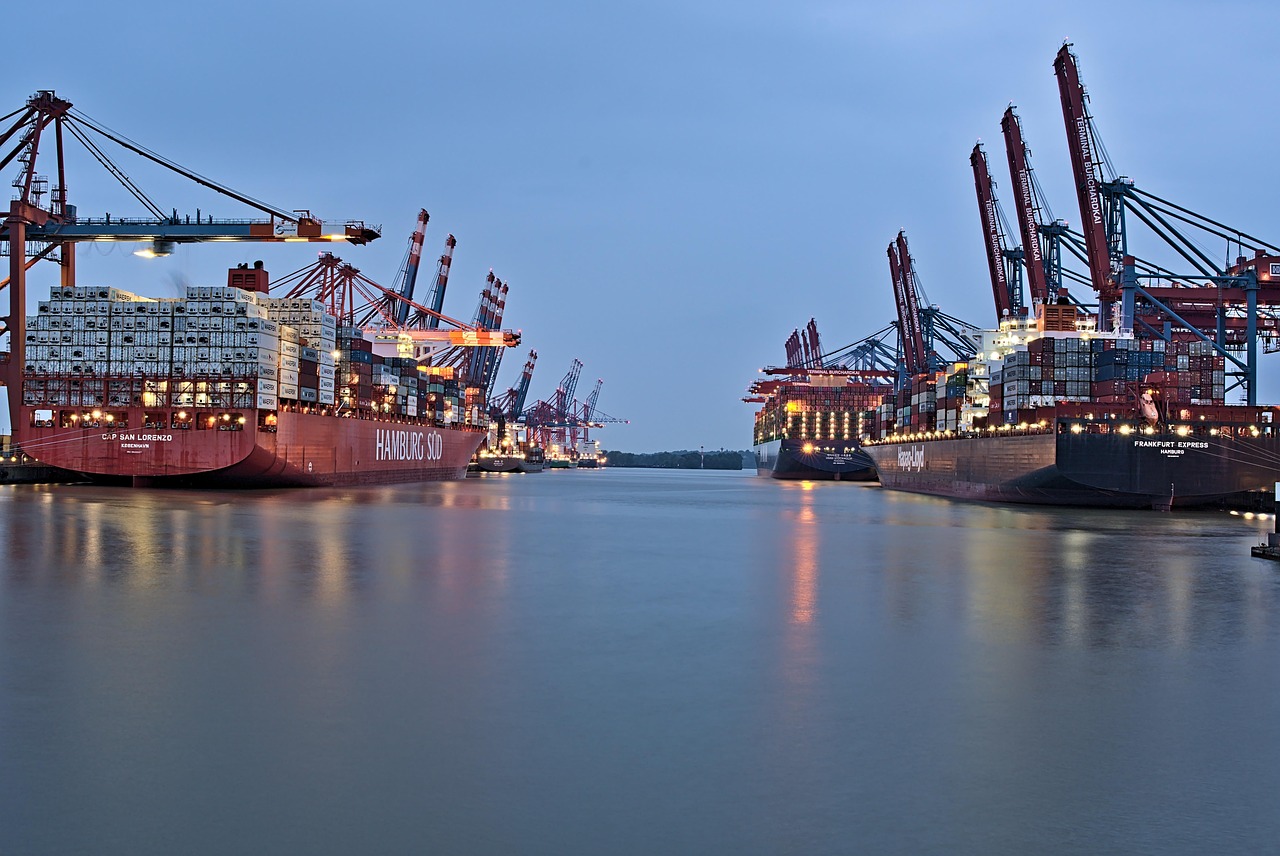
Johan Van Delm: “Sometimes we come in after a broad pre-audit in which we examine the general cost structure, but just as often companies ask us because of our very specific expertise, for example regarding payment systems, mobility, insurance, the logistics chain—you name it. The low-hanging fruit has almost always already been picked by then.”
The clock doesn’t start ticking for you from the very first meeting. How does the no-cure-no-pay approach work in practice?
Johan Van Delm: ‘We decide whether or not to take on a project, but the client is guaranteed that we will only invoice our services if we actually succeed in reducing costs. Of course, we also document this very objectively in advance. Occasionally, a client will set really tough targets, but generally, after detailed research, we try to present various options along with an estimated cost range. Then it’s up to the client to work with us to assess the impact and scope of those options and make a decision.”
What exactly do you do, and how many partners do you currently have in Belgium?
Johan Van Delm, managing partner and fleet and mobility specialist at ERA: ‘We help companies save costs across a wide range of sectors. Specifically: we aim to make them smarter by combining our broader knowledge within a specific sector with the highly specialised expertise already present within those companies themselves. We never claim to know better, but we try to apply our expertise to the specific situation and approach within a given company. To do this, we rely on a network of 19 partners in our country, each with their own expertise and knowledge, which is made available to domestic and international clients.’
Philip Declat, partner and logistics specialist at ERA: ‘We provide the client with insight into their costs by objectifying data and then present them with various alternative approaches, with the goal of creating value. A company initially focuses on its own core business. We have both the time and the knowledge to examine the non-strategic processes and identify potential savings or better options available there. On average, we remain on board with a client for about two and a half years.’
You are part of an international group. How significant is the added value of that international expertise for Belgian clients?
Johan Van Delm: ‘We now work with around 750 partners worldwide. The focus is on the UK and mainland Europe, but we also have offices in the US, Asia, and Australia.
We have a broad local network but also leverage our global knowledge: for example, if we have partners in Germany with specialised medical expertise, our clients in the healthcare sector can also benefit from that. Additionally, for each industry sector, we can rely on so-called practice groups, with specialists who have particularly in-depth knowledge of a specific sector and the specific opportunities for cost reduction within it.”
Why would a company, which already knows its own sector and business inside and out, now call upon external specialists to achieve the most optimal cost reduction possible?
Christophe De Vleeschouwer, senior partner and energy specialist at ERA: ‘My field is perhaps a good illustration of this. Most non-energy-intensive companies do not have their own in-house energy specialist, because it is not a strategic activity for them. Drawing on my expertise in the energy sector, I can therefore provide them with cost-saving ideas and negotiate new contracts. Initially, we work on a no-cure-no-pay basis, but we often see this converted into a long-term service contract afterward. Precisely because companies want to continue relying on our expertise in the long term. So we really strive for long-term partnerships, in which we always work very closely with internal stakeholders. Clients expect sustainable savings from us, and aspects related to the ‘Green Deal’ have also become paramount.’
Which companies do you primarily target?
Philip Declat: ‘In terms of revenue, we’re usually dealing with companies with local revenue ranging from 30 to 300 million euros. On average, indirect costs amount to about ten percent of that revenue, and since we operate on a no-cure, no-pay basis, we naturally also need a certain minimum scale. Very large companies typically have their own staff to analyse and reduce those indirect costs, but we can often still offer them added value through our expertise in certain segments. In fact, once clients experience our approach, they often ask us to launch a project focused on specific, strategic areas as well.’
‘We have both the time and the knowledge to examine non-strategic processes and identify potential savings opportunities there’
PHILIP DECLAT, PARTNER AND LOGISTICS SPECIALIST AT ERA
Johan Van Delm: “Sometimes we come in after a broad pre-audit in which we examine the general cost structure, but just as often companies ask us because of our very specific expertise, for example regarding payment systems, mobility, insurance, the logistics chain—you name it. The low-hanging fruit has almost always already been picked by then.”
The clock doesn’t start ticking for you from the very first meeting. How does the no-cure-no-pay approach work in practice?
Johan Van Delm: ‘We decide whether or not to take on a project, but the client is guaranteed that we will only invoice our services if we actually succeed in reducing costs. We also document this very objectively in advance, of course. Occasionally, a client will set really tough targets, but generally, after detailed research, we try to present various options along with an estimate of their cost. Then it’s up to the client to work with us to examine the impact and scope of those options and make a decision.”