


December shows you, in numbers, what was truly important for your business.
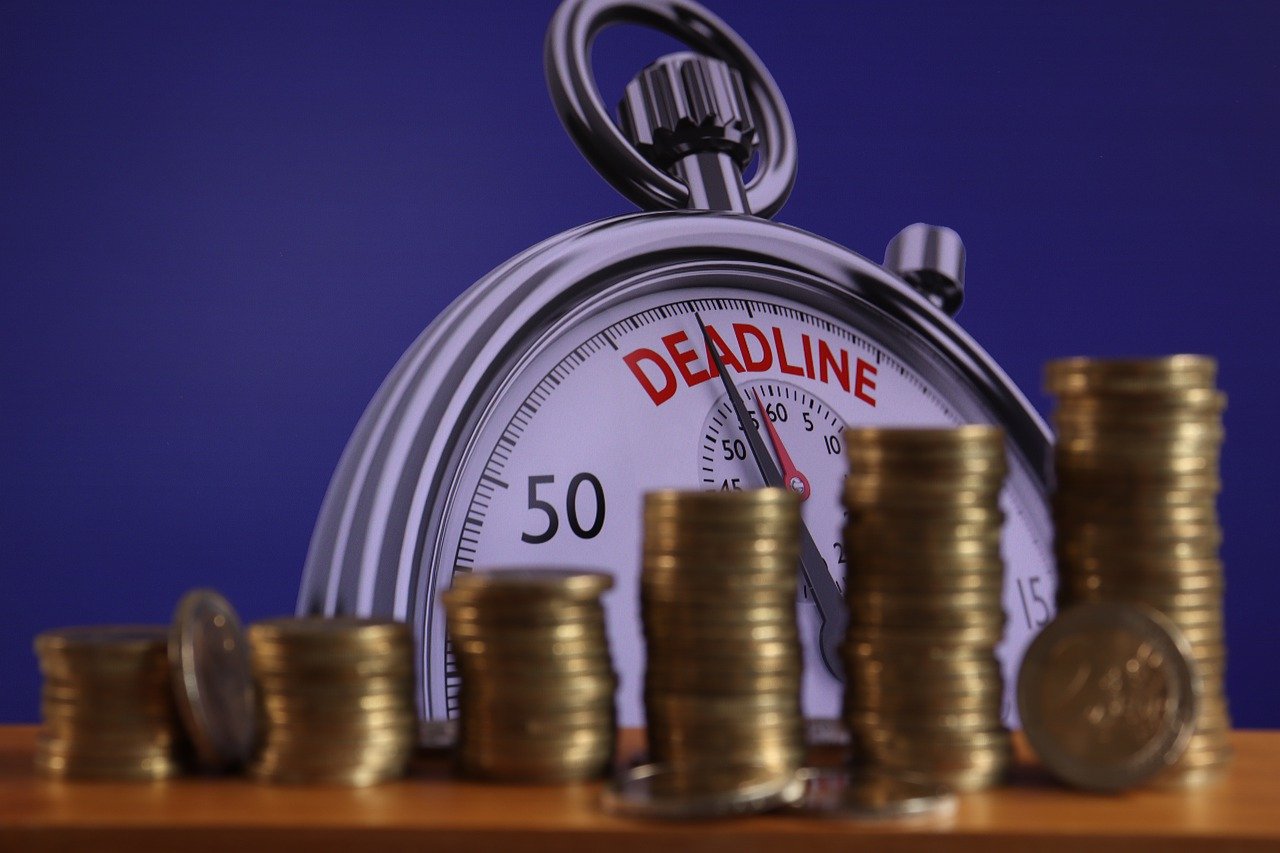
The end of the year is always filled with urgent tasks: financial closings, audits, renegotiations, taxes, bonuses, overdue payments. But that’s exactly when the consequences of not having optimised processes throughout the year become apparent:
Last-minute purchases that cost more. Idle inventory that no one looks at. Contracts renewed “out of habit.” Improvement projects or investments that autumn through because “metrics weren’t applied.”
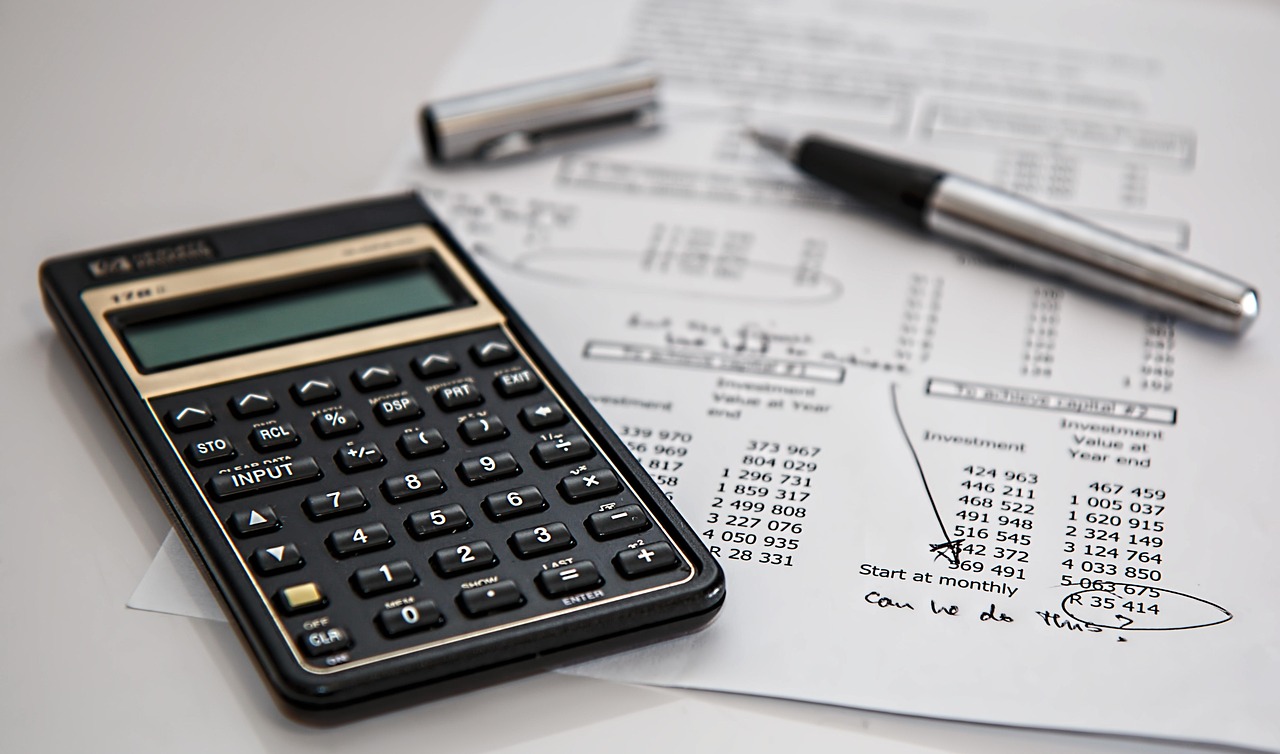
📊 Costs, expenses, and investments reflect the priorities you had throughout the year. What you had planned for the year. And what you actually decided, measured, and executed.
When I talk to companies, I usually look at three things:
1️⃣ What went toward putting out fires Constant overtime, last-minute logistics, late-payment interest—it wasn’t planned. That’s the cost of disorganization.
2️⃣ What was truly an investment Processes that bring order, more efficient processes, team training, well-designed sustainability initiatives. Impacts. That builds competitiveness.
3️⃣ What was left “on the back burner” all year Projects that are always kicked down the road “for when there’s time”: streamlining the cost structure, reviewing suppliers, planning with an impact-driven approach. That’s the important stuff that never made it onto the agenda.
🔥 The problem is that in December, everything piles up: the urgent tasks, the accounts payable, and the decisions we didn’t make in time. My perspective is simple: if all your efforts end up as mere “expenses,” you probably spent the year chasing after the urgent; if you managed to sustain “investment” in processes and impact, you worked on what was planned and are on the path to achieving your goals.
✅ Good news: December is also an opportunity to make different decisions for next year:
Review your cost structure calmly. Distinguish between expense, cost, and investment. Put what’s important on the agenda starting in January: processes, efficiency, well-planned sustainability = Business competitiveness
💬 If, as this year comes to a close, you feel you paid too much due to a lack of organisation, 2026 is the time to correct course. Let’s talk; we’ll review your costs, processes, and investments with a strategic eye. That’s how you’ll grow!